
- Introduction
- What Is Human Growth Hormone?
- What Is Testosterone?
- HGH vs Testosterone – Biological Mechanism Difference
- Muscle Growth Comparison
- Fat Metabolism Effects
- Aging and Longevity Research Discussion
- Medical Therapy Applications
- Side Effect and Risk Discussion
- HGH vs Testosterone for Body Composition
- Combination Hormone Research Discussion
- Research Products Mentioned in Market Discussions
- Frequently Asked Questions – HGH vs Testosterone
- 1. What is human growth hormone (HGH)?
- 2. What is testosterone?
- 3. What is the difference between HGH and testosterone?
- 4. Which is better for muscle growth, HGH or testosterone?
- 5. Can HGH reduce body fat?
- 6. What is recombinant HGH?
- 7. Is HGH therapy medically approved?
- 8. What is peptide therapy?
- 9. What is Hygetropin HGH?
- 10. What is Jintropin HGH?
- 11. What is Zptropin HGH?
- 12. What is HCG 5000 IU used for?
- 13. What is NAD+ in biological research?
- 14. What is Semaglutide?
- 15. What is TB-500?
- 16. Does HGH increase strength?
- 17. Is testosterone replacement therapy safe?
- 18. Can HGH improve recovery time?
- 19. Does HGH affect aging?
- 20. Is peptide therapy legal?
- 21. Which hormone is more anabolic?
- 22. Can HGH help with metabolism?
- 23. Do athletes use HGH?
- 24. Is hormone therapy prescription required?
- 25. What are HGH research products?
- 26. Can HGH be combined with testosterone?
- 27. What is anti-aging hormone research?
- 28. Who should study HGH vs testosterone science?
- 29. Does this page provide medical advice?
- 30. Where can HGH science information be learned?
- Future of Hormonal Science
- Conclusion
Introduction
Hormonal science is one of the fastest growing research topics in metabolic health, fitness optimization, and aging biology studies. Two of the most frequently discussed hormones in modern wellness science are human growth hormone (HGH) and testosterone.
Understanding HGH vs testosterone differences is important for readers interested in endocrine science, body composition research, and metabolic regulation theory.
Human growth hormone (HGH) and Testosterone belong to different biological regulatory systems.
This article provides a deep scientific overview, comparison analysis, and research context discussion.
What Is Human Growth Hormone?
Human growth hormone is a peptide hormone produced by the pituitary gland.
HGH plays an important role in:
- Tissue growth signaling
- Cellular repair mechanisms
- Fat metabolism regulation
- Bone density maintenance research
- Muscle tissue homeostasis models
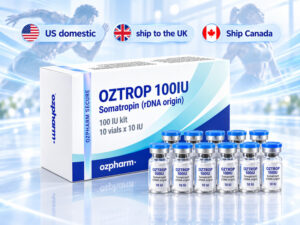
Synthetic recombinant HGH products are sometimes discussed in international research markets.
Popular brands mentioned in global discussions include:
- Hygetropin HGH 100IU
- Jintropin HGH 100IU
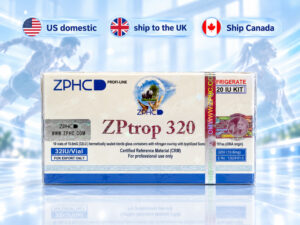
- Zptropin HGH 320IU
It is important to understand that HGH is not a primary anabolic hormone for muscle strength development.
🚀 Research HGH Product – Zptropin 320IU
Looking for a high-concentration recombinant growth hormone research compound? Learn more about :contentReference[oaicite:0]{index=0}, a product discussed in international hormone science markets.
👉 View Zptropin HGH 320IU ProductWhat Is Testosterone?
Testosterone is the primary male androgen hormone.
It is responsible for:
- Protein synthesis signaling
- Reproductive endocrine function
- Muscle mass development biology
- Bone strength regulation
- Secondary sexual characteristic expression
Medical testosterone therapy is used in certain endocrine deficiency conditions.
HGH vs Testosterone – Biological Mechanism Difference
HGH Mechanism
HGH works mainly through growth signaling pathways.
Key research observations include:
- Stimulation of insulin-like growth factor production
- Metabolic substrate utilization
- Cellular regeneration research models
HGH is often associated with recovery biology.
Testosterone Mechanism
Testosterone acts via androgen receptor interaction.
Research shows testosterone influences:
- Myofibrillar protein synthesis
- Strength adaptation pathways
- Red blood cell production regulation
Testosterone is considered more directly anabolic than HGH.
Muscle Growth Comparison
Testosterone and Muscle Hypertrophy
Testosterone is strongly associated with:
- Increased muscle protein synthesis
- Strength performance adaptation
- Lean mass development
Clinical hormone therapy research sometimes uses testosterone replacement protocols under medical supervision.
HGH and Muscle Tissue
HGH contributes indirectly to muscle biology by supporting:
- Recovery processes
- Tissue repair signaling
- Fat oxidation research
However, HGH alone is not considered a primary muscle-building hormone.
Fat Metabolism Effects
HGH research suggests potential influence on lipid metabolism.
Some studies show HGH signaling may support:
- Fat breakdown pathways
- Energy substrate mobilization
Testosterone also influences body composition but through different pathways.
Aging and Longevity Research Discussion
Anti-aging science frequently explores hormonal regulation.
Longevity biology research topics include:
- Mitochondrial function
- Cellular oxidative stress reduction
- Hormonal balance models
However, aging science remains a complex field and is still under investigation.
Medical Therapy Applications
Growth Hormone Therapy Research
Growth hormone therapy may be considered in cases of diagnosed deficiency under professional medical guidance.
Testosterone Replacement Therapy
Testosterone replacement therapy is sometimes used in endocrine deficiency management.
Treatment decisions must be made by healthcare professionals.
Side Effect and Risk Discussion
Hormonal therapy can potentially influence biological systems.
Possible research concerns include:
- Hormonal feedback disruption
- Metabolic pathway alteration
- Endocrine system imbalance
Individual response varies significantly.
HGH vs Testosterone for Body Composition
| Factor | HGH | Testosterone |
|---|---|---|
| Muscle growth | Indirect | Strong |
| Fat reduction research | Moderate | Moderate |
| Recovery biology | Strong | Moderate |
| Strength increase | Low to moderate | High |
| Aging research | Frequently studied | Studied |
Combination Hormone Research Discussion
Some scientific literature discusses multi-hormone interaction models.
Example topics include:
- Growth hormone signaling integration
- Androgen pathway interaction
- Metabolic regulation networks
This article does not recommend hormone combination use.
Research Products Mentioned in Market Discussions
International research discussions sometimes reference recombinant growth hormone products.
Examples include:
- Growth hormone laboratory formulations
- Peptide signaling compounds
Frequently Asked Questions – HGH vs Testosterone
1. What is human growth hormone (HGH)?
Human growth hormone is a peptide hormone involved in growth signaling, metabolism regulation, and tissue repair research.
2. What is testosterone?
Testosterone is the main androgen hormone responsible for anabolic muscle signaling and reproductive endocrine function.
3. What is the difference between HGH and testosterone?
HGH mainly influences metabolic and recovery biology, while testosterone has stronger direct anabolic muscle synthesis effects.
4. Which is better for muscle growth, HGH or testosterone?
Testosterone is generally associated with stronger muscle hypertrophy signaling.
5. Can HGH reduce body fat?
Some research suggests HGH may influence lipid metabolism pathways.
6. What is recombinant HGH?
Recombinant HGH is laboratory-produced growth hormone used in medical and research contexts.
7. Is HGH therapy medically approved?
Growth hormone therapy may be prescribed for diagnosed hormone deficiency under professional medical supervision.
8. What is peptide therapy?
Peptide therapy involves biological signaling molecules that may influence hormone regulation and recovery pathways.
9. What is Hygetropin HGH?
Hygetropin HGH 100IU is a recombinant growth hormone product discussed in international research markets.
10. What is Jintropin HGH?
Jintropin HGH 100IU is another recombinant HGH brand mentioned in global discussions.
11. What is Zptropin HGH?
Zptropin HGH 320IU is a high concentration HGH research product.
12. What is HCG 5000 IU used for?
HCG 5000 IU is often discussed in reproductive hormone research.
13. What is NAD+ in biological research?
Nicotinamide adenine dinucleotide is a coenzyme involved in cellular energy metabolism.
14. What is Semaglutide?
Semaglutide is studied for glucose regulation and weight management research.
15. What is TB-500?
TB-500 is a research peptide associated with tissue repair biology.
16. Does HGH increase strength?
HGH is not primarily considered a strength-enhancing anabolic hormone.
17. Is testosterone replacement therapy safe?
Therapy safety depends on medical supervision and individual health condition.
18. Can HGH improve recovery time?
Some research suggests growth hormone signaling may support tissue recovery processes.
19. Does HGH affect aging?
Growth hormone biology is studied in aging science and metabolic regulation research.
20. Is peptide therapy legal?
Legality depends on regional medical and pharmaceutical regulations.
21. Which hormone is more anabolic?
Testosterone is generally considered more directly anabolic.
22. Can HGH help with metabolism?
HGH signaling may influence energy substrate utilization research.
23. Do athletes use HGH?
Some sports organizations restrict unauthorized hormone use.
24. Is hormone therapy prescription required?
In many countries, hormonal therapy requires medical prescription.
25. What are HGH research products?
Research-grade hormone products are used in laboratory and scientific contexts.
26. Can HGH be combined with testosterone?
Combination hormone protocols are medical research topics.
27. What is anti-aging hormone research?
It studies metabolic, cellular, and endocrine aging mechanisms.
28. Who should study HGH vs testosterone science?
Endocrinologists, biomedical researchers, and health science students.
29. Does this page provide medical advice?
No. This content is educational and informational.
30. Where can HGH science information be learned?
From medical literature, endocrinology research, and academic sources.
Future of Hormonal Science
Modern biotechnology research is exploring:
- Peptide signaling networks
- Regenerative medicine models
- Cellular longevity science
- Metabolic pathway engineering
🚀 Featured HGH Research Product – Hygetropin 100IU
Discover one of the most referenced recombinant growth hormone research compounds. Learn more about :contentReference[oaicite:0]{index=0} — a product widely mentioned in scientific and hormone science interest discussions.
👉 View Hygetropin HGH 100IU ProductConclusion
The comparison of HGH vs testosterone demonstrates that these hormones play different biological roles.
- HGH is more associated with growth signaling and metabolic research.
- Testosterone is more directly linked to anabolic muscle function.
Both hormones remain important research topics in endocrinology and metabolic science.