
- Introduction
- Biological Mechanism of HGH Action
- HGH and Muscle Tissue Biology
- Difference Between HGH and Primary Muscle Anabolic Hormones
- HGH and Fat Metabolism
- Muscle Recovery and Tissue Repair
- Natural HGH Production
- HGH Therapy and Medical Use
- Safety Considerations
- HGH and Athletic Performance Science
- Recombinant HGH Products Discussion
- Storage and Stability of HGH Products
- Market Demand Trends
- Internal CTA Block
- FAQ — HGH and Muscle Growth
- 1. What is Human Growth Hormone (HGH)?
- 2. How does HGH affect muscle growth?
- 3. Does HGH directly increase muscle size?
- 4. Can HGH improve muscle recovery?
- 5. Is HGH useful for athletes?
- 6. Does HGH help burn body fat?
- 7. What is the role of IGF-1 in muscle biology?
- 8. Is HGH therapy safe?
- 9. Who needs HGH treatment?
- 10. Can teenagers use HGH?
- 11. How long does HGH therapy take to show muscle-related effects?
- 12. Does HGH increase strength?
- 13. What are HGH side effects?
- 14. How should HGH be stored?
- 15. Where can HGH products be purchased safely?
- Conclusion
🌿 Premium Growth Hormone Product
Explore the domestic USA product page. This recombinant growth hormone is discussed in biotechnology and medical research contexts.
🟢 View Hygetropin HGH ProductIntroduction
Human Growth Hormone is a peptide endocrine hormone produced by the pituitary gland that plays a regulatory role in human metabolism, tissue regeneration, and developmental biology.
Interest in growth hormone and muscle physiology has increased significantly in modern sports science, endocrinology, and regenerative medicine research.
Many people search for information about HGH because of its association with:
- Muscle recovery science
- Body composition regulation
- Anti-aging research
- Athletic performance discussion
- Metabolic health optimization
However, it is important to understand that HGH is not the primary biological driver of muscle hypertrophy.
Biological Mechanism of HGH Action
HGH functions through receptor-mediated signaling pathways.
When growth hormone enters circulation:
- It binds to cellular membrane receptors
- Activates intracellular signaling cascades
- Stimulates protein synthesis regulation
- Supports tissue maintenance mechanisms
One of the most important downstream mediators of HGH biological activity is Insulin-like Growth Factor 1.
IGF-1 is primarily produced in liver tissue and influences anabolic metabolic signaling.
HGH and Muscle Tissue Biology
Muscle growth is a complex biological process involving:
- Mechanical stress stimulation
- Protein synthesis pathways
- Hormonal regulation networks
- Nutritional amino acid availability
Growth hormone contributes indirectly by supporting recovery and nitrogen balance.
Scientific studies indicate that HGH alone does not produce significant muscle hypertrophy without accompanying biomechanical stimulation.
Difference Between HGH and Primary Muscle Anabolic Hormones
Muscle hypertrophy is primarily influenced by other endocrine factors.
HGH is not the dominant anabolic muscle-building hormone.
Instead, muscle growth is mainly regulated by:
- Mechanical resistance training
- Dietary protein intake
- Neural-muscular adaptation
- Multiple hormonal signaling systems
HGH and Fat Metabolism
One important biological function of growth hormone is lipid metabolism regulation.
HGH may stimulate lipolysis pathways that mobilize stored fatty acids for energy utilization.
This process may contribute to changes in body composition rather than direct muscle size expansion.
Muscle Recovery and Tissue Repair
Growth hormone participates in cellular regeneration mechanisms.
HGH signaling supports:
- Connective tissue maintenance
- Microdamage muscle repair
- Structural protein synthesis regulation
One major mediator of regenerative signaling is IGF-1 production.
Natural HGH Production
Human body naturally secretes growth hormone in pulsatile cycles.
Factors influencing endogenous secretion include:
- Sleep quality
- Physical exercise intensity
- Dietary protein balance
- Psychological stress level
Deep sleep phases are associated with peak secretion cycles.
HGH Therapy and Medical Use
Growth hormone therapy is medically prescribed for diagnosed deficiency conditions.
Clinical endocrine treatment may be considered for:
- Pediatric growth disorders
- Pituitary gland dysfunction
- Adult hormone deficiency syndromes
Medical diagnosis requires laboratory hormone testing.
Safety Considerations
Growth hormone therapy must be supervised by qualified healthcare professionals.
Possible side effects may include:
- Fluid retention symptoms
- Temporary joint discomfort
- Changes in glucose metabolism
Severe complications are uncommon under medical supervision.
Teenagers should avoid unsupervised hormone therapy.
HGH and Athletic Performance Science
Sports medicine organizations regulate hormone usage.
Scientific literature does not confirm that HGH alone significantly increases strength or athletic power.
Research suggests recovery-related biological effects rather than direct performance enhancement.
Recombinant HGH Products Discussion
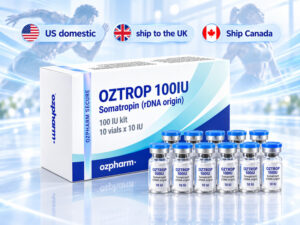
Commercial recombinant growth hormone products are manufactured using biotechnology fermentation processes.
Examples of widely discussed brands include:
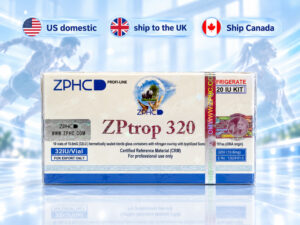
- Jintropin HGH
- Hygetropin HGH
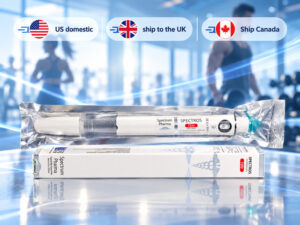
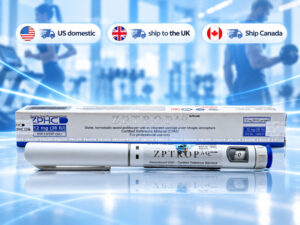
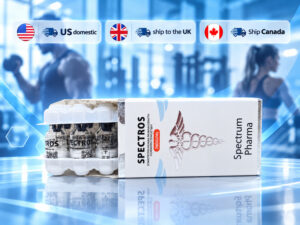
- Spectros HGH 280IU USA
Product authenticity and storage conditions influence biological effectiveness.
Storage and Stability of HGH Products
Peptide hormone molecules are temperature sensitive.
Recommended storage practices:
- Refrigeration before reconstitution
- Avoid direct sunlight exposure
- Follow manufacturer guidelines
Market Demand Trends
Global interest in HGH therapy is growing due to:
- Aging population
- Biotechnology research development
- Fitness optimization culture
- Metabolic health awareness
Internal CTA Block
👉 Explore premium HGH products:
FAQ — HGH and Muscle Growth
What is Human Growth Hormone (HGH)?
Human Growth Hormone is a peptide endocrine hormone produced by the pituitary gland that regulates growth signaling, metabolism, and tissue repair processes.
How does HGH affect muscle growth?
HGH supports muscle physiology indirectly by stimulating cellular repair pathways and protein synthesis signaling. One major mediator of HGH biological activity is Insulin-like Growth Factor 1, which contributes to anabolic tissue maintenance.
Does HGH directly increase muscle size?
Growth hormone is not the primary biological driver of muscle hypertrophy. Muscle size increase is mainly controlled by mechanical resistance training, protein intake, and multiple hormonal signaling systems.
Can HGH improve muscle recovery?
HGH may support recovery biology by promoting nitrogen retention and tissue regeneration mechanisms after physical stress or exercise.
Is HGH useful for athletes?
Professional sports organizations regulate hormone use. Scientific research does not confirm that HGH alone significantly improves athletic strength or performance.
Does HGH help burn body fat?
Growth hormone may stimulate lipid metabolism signaling pathways, allowing the body to utilize stored fat as energy when combined with proper nutrition and lifestyle.
What is the role of IGF-1 in muscle biology?
Insulin-like Growth Factor 1 is produced mainly in the liver under HGH stimulation and contributes to anabolic cellular signaling and tissue maintenance.
Is HGH therapy safe?
HGH therapy can be safe when prescribed and monitored by qualified medical professionals. Possible side effects may include fluid retention, joint discomfort, or metabolic changes.
Who needs HGH treatment?
Growth hormone therapy may be medically indicated for individuals diagnosed with:
- Pituitary gland disorders
- Pediatric growth deficiency
- Adult endocrine hormone deficiency
Diagnosis requires laboratory testing.
Can teenagers use HGH?
Hormone therapy in teenagers should only be conducted under pediatric endocrinologist supervision because natural growth development is still active.
How long does HGH therapy take to show muscle-related effects?
Metabolic and tissue signaling effects may appear within weeks, but body composition or functional improvements often require several months.
Does HGH increase strength?
Strength development is primarily influenced by neuromuscular adaptation and training intensity. HGH alone is not a primary strength-enhancing hormone.
What are HGH side effects?
Possible physiological responses include:
- Water retention symptoms
- Temporary insulin sensitivity changes
- Mild joint discomfort
- Headache episodes
Severe complications are rare under medical supervision.
How should HGH be stored?
Recombinant peptide hormone products should generally be stored under refrigeration between 2°C and 8°C before reconstitution.
Where can HGH products be purchased safely?
Growth hormone products should be purchased only from licensed pharmacies or verified medical suppliers.
HGH vs Steroids for Muscle Growth: What Actually Works?
Comparing HGH and anabolic steroids for muscle growth? While both enhance physique and performance, they work in completely different ways — from rapid hypertrophy to long-term recovery and fat loss optimization.
Understand key differences in muscle growth speed, recovery, fat loss, and side effects.
Compare →⚡ Steroids typically produce faster and more dramatic muscle gains by directly increasing protein synthesis, while HGH works indirectly via IGF-1 to enhance recovery, fat loss, and long-term tissue growth :contentReference[oaicite:0]{index=0}
Conclusion
Human Growth Hormone plays an important role in metabolic regulation and tissue repair biology.
However, muscle growth depends on multiple biological and mechanical factors.
Scientific research continues exploring regenerative medicine and endocrine signaling mechanisms.
For deeper HGH dosing and results breakdowns:
👉 Browse full HGH knowledge hub