HGH vs Testosterone: Muscle Growth, Strength, Benefits and Key Differences
HGH vs testosterone is a common comparison among people researching muscle growth, physical performance, body composition, aging, and hormone replacement therapy. Although both hormones influence human physiology, they perform different biological functions and are used for different medical conditions.
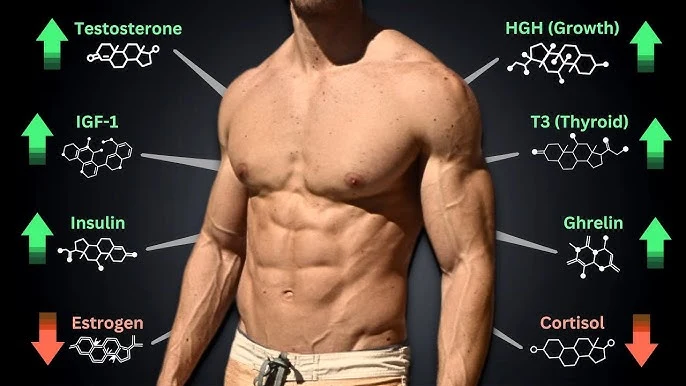
Human growth hormone (HGH) primarily regulates growth, metabolism, tissue maintenance, and insulin-like growth factor 1 (IGF-1) signaling. Testosterone is an androgen hormone involved in sexual development, reproductive function, muscle protein regulation, and the maintenance of muscle and bone.
This guide compares HGH and testosterone, explains their effects on muscle size, strength, fat metabolism, recovery, and hormone health, and examines what scientific research actually supports.
What Is HGH (Human Growth Hormone)?
Human growth hormone is a peptide hormone naturally produced by the anterior pituitary gland.
Growth hormone participates in several physiological processes, including:
- Growth and tissue development
- Protein metabolism
- Fat metabolism and lipolysis
- Regulation of body composition
- IGF-1 production
- Bone and connective tissue metabolism
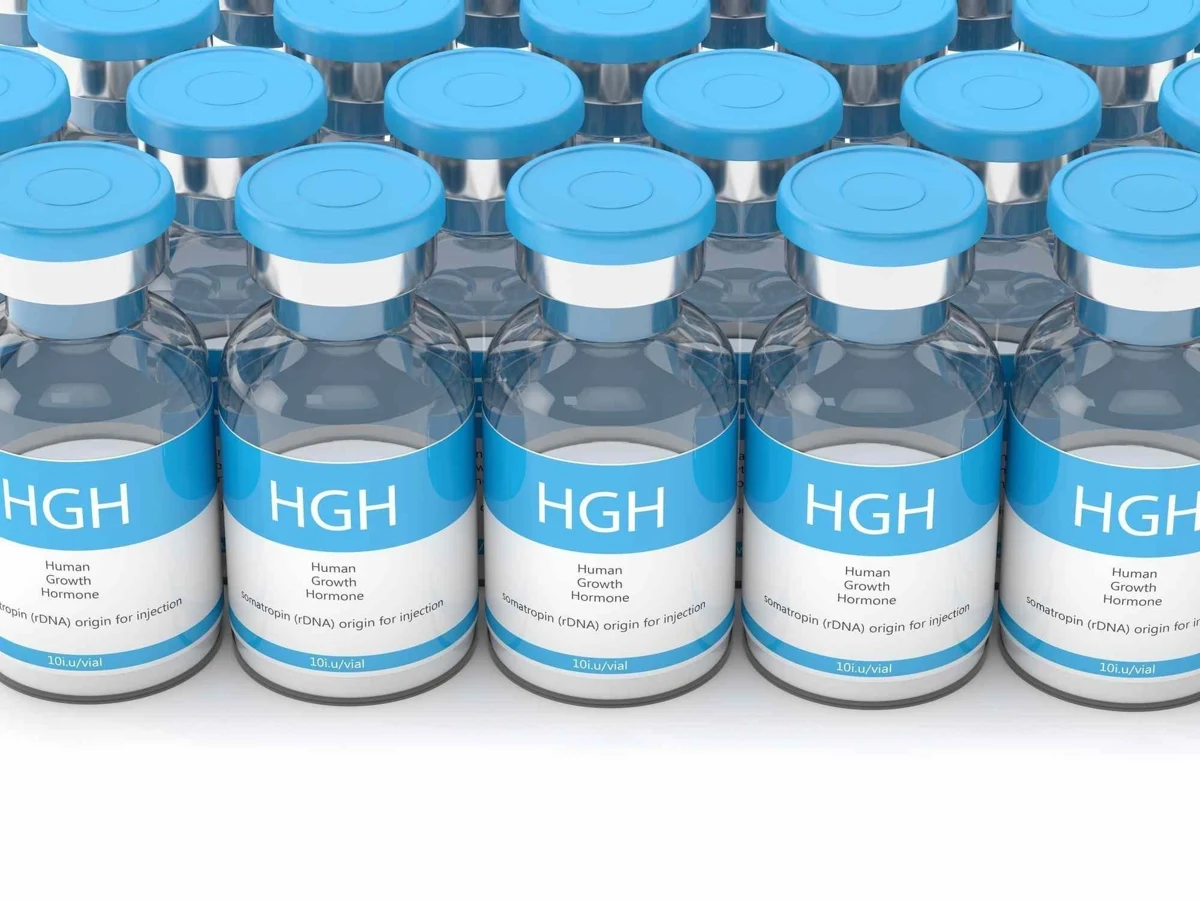
The pharmaceutical form of human growth hormone is called somatropin.
Somatropin is prescribed for specific medical conditions, including confirmed growth hormone deficiency in children and adults.
Its effects depend on an individual's endocrine status, underlying diagnosis, and treatment circumstances.
What Is Testosterone?
Testosterone is a steroid hormone belonging to the androgen group.
It is produced primarily in the testes in males, with smaller amounts produced by the ovaries and adrenal glands.
Testosterone influences several biological functions:
- Sexual development and reproductive health
- Libido and sexual function
- Muscle protein metabolism
- Maintenance of muscle mass and strength
- Bone mineral density
- Red blood cell production
- Normal energy and physical function
Testosterone replacement therapy (TRT) may be prescribed to men with symptomatic testosterone deficiency confirmed through appropriate clinical and laboratory evaluation.
HGH vs Testosterone: Main Differences
| Feature | HGH | Testosterone |
|---|---|---|
| Hormone type | Peptide hormone | Steroid hormone |
| Main production site | Pituitary gland | Primarily testes in males |
| Primary signaling | GH receptor and IGF-1 pathways | Androgen receptor |
| Muscle mass | Influences lean body mass | Supports skeletal muscle development |
| Muscle strength | No consistent improvement in healthy adults | Important role in muscle strength |
| Fat metabolism | Direct lipolytic effects | Influences body composition |
| Bone health | Supports bone metabolism | Supports bone mineral density |
| Sexual function | Not a primary androgen hormone | Major physiological role |
| Medical replacement therapy | Confirmed GH deficiency | Diagnosed hypogonadism |
| Common pharmaceutical forms | Injection formulations | Injections, gels and other formulations |
HGH vs Testosterone for Muscle Growth
Muscle growth is one of the main reasons HGH and testosterone are compared.
However, their effects on skeletal muscle differ considerably.
How HGH Affects Muscle Growth
HGH influences tissue metabolism and stimulates IGF-1 production.
Clinical studies have demonstrated increases in measured lean body mass during growth hormone administration.
However, lean body mass includes skeletal muscle, water, connective tissue, organs, and other non-fat tissues.
Consequently, an increase in lean body mass does not necessarily represent an equivalent increase in contractile muscle fibers.
A systematic review of growth hormone administration in physically fit adults found an increase in lean body mass without corresponding improvements in strength.
How Testosterone Affects Muscle Growth
Testosterone interacts with androgen receptors and influences pathways involved in muscle protein synthesis and skeletal muscle maintenance.
Low testosterone can contribute to reduced muscle mass and physical function in some men.
In men with confirmed hypogonadism, appropriate testosterone replacement may improve lean mass and certain measures of physical performance.
Controlled studies also demonstrate that testosterone exposure can influence muscle size and strength, although effects vary with population, hormone levels, and other factors.
Which Hormone Has Stronger Evidence for Muscle Growth?
Testosterone has stronger direct evidence for increasing contractile skeletal muscle than HGH in research involving adults.
HGH can change measured body composition, but these changes should not be interpreted as equivalent to increased functional muscle tissue.
Neither hormone is a substitute for progressive resistance training, adequate nutrition, and appropriate recovery.
HGH vs Testosterone for Strength
Muscle strength is a functional outcome influenced by muscle size, neurological adaptation, training experience, and hormonal status.
HGH and Strength
Research involving healthy adults has not consistently demonstrated improvements in muscular strength following growth hormone administration.
A 2017 systematic review and meta-analysis found that growth hormone increased lean body mass and reduced fat mass but did not significantly improve muscle strength.
Testosterone and Strength
Testosterone plays an important role in skeletal muscle function.
Clinical research supports its involvement in muscle mass and strength development, although the magnitude of improvement during medically prescribed replacement therapy varies.
Importantly, treatment of diagnosed testosterone deficiency is different from nonmedical hormone use intended to enhance athletic performance.
HGH vs Testosterone for Fat Loss
Both hormones influence body composition, but their metabolic effects are different.
HGH and Fat Metabolism
Growth hormone has lipolytic effects, meaning it promotes the mobilization of stored fat.
In adults with confirmed growth hormone deficiency, appropriately prescribed replacement therapy can reduce fat mass, including visceral adipose tissue.
However, HGH is not established as a general weight-loss treatment for healthy individuals.
Testosterone and Body Fat
Testosterone deficiency can be associated with increased fat mass and reduced lean body mass.
Replacement therapy in appropriately selected men may improve body composition.
These effects do not establish testosterone as a general-purpose weight-loss medication.
Which Is Better for Fat Loss?
Neither HGH nor testosterone should be considered a routine fat-loss treatment in people without a diagnosed hormonal condition.
For long-term weight management, nutritional habits, physical activity, sleep, and treatment of relevant medical conditions remain central.
HGH vs Testosterone for Recovery
Recovery is another topic frequently associated with both hormones.
HGH and Tissue Repair
Growth hormone and IGF-1 participate in tissue metabolism and biological pathways involved in growth and maintenance.
Research has investigated their relationship with collagen metabolism and connective tissue.
However, this does not establish that HGH supplementation consistently improves post-exercise recovery or injury healing in healthy athletes.
Testosterone and Training Adaptation
Testosterone contributes to normal skeletal muscle maintenance and adaptation to resistance training.
Nevertheless, the effects of testosterone replacement in men with diagnosed deficiency should not be extrapolated to healthy people seeking faster recovery.
Recovery also depends heavily on training load, sleep, nutrition, injury severity, and individual physiology.
HGH vs Testosterone: Medical Benefits
HGH Replacement Therapy
In adults with confirmed growth hormone deficiency, appropriate somatropin replacement may improve:
- Body composition
- Exercise capacity
- Bone-related outcomes over time
- Certain quality-of-life measures
These benefits are most relevant to patients with established hormone deficiency.
Testosterone Replacement Therapy
In men with symptomatic, laboratory-confirmed hypogonadism, testosterone replacement may improve:
- Symptoms associated with androgen deficiency
- Sexual function in appropriate patients
- Lean body mass
- Bone mineral density
- Selected physical function measures
Responses vary, and treatment requires assessment of contraindications and ongoing monitoring.
HGH and Testosterone: Can Both Hormones Be Deficient?
Yes. Growth hormone and testosterone are regulated through different but related endocrine systems.
Conditions affecting the pituitary gland or hypothalamus can sometimes cause deficiencies involving multiple hormones.
For example, a patient with hypopituitarism may have both growth hormone deficiency and secondary hypogonadism.
In such cases, an endocrinologist may evaluate several hormonal pathways and determine which deficiencies require treatment.
Evidence supporting the correction of multiple diagnosed deficiencies does not justify combining HGH and testosterone for bodybuilding or performance enhancement in healthy individuals.
HGH vs Testosterone: Side Effects and Risks
Both hormones can produce adverse effects, particularly when used without appropriate clinical assessment.
Potential HGH Side Effects
- Fluid retention and swelling
- Joint pain and stiffness
- Muscle discomfort
- Carpal tunnel symptoms
- Reduced insulin sensitivity
- Changes in glucose regulation
Potential Testosterone Side Effects
- Acne and oily skin
- Elevated hematocrit
- Reduced sperm production
- Changes in fertility
- Breast tenderness or gynecomastia
- Fluid retention
- Potential worsening of sleep apnea in susceptible individuals
Both treatments have additional product-specific warnings and contraindications.
Testosterone therapy generally requires monitoring of hormone levels, hematocrit, treatment response, and prostate-related considerations when appropriate.
Growth hormone replacement may require monitoring of IGF-1, glucose metabolism, symptoms, and other endocrine functions.
HGH vs Testosterone for Bodybuilding
In bodybuilding discussions, HGH and testosterone are frequently presented as different approaches to changing muscle size and body composition.
Testosterone directly influences androgen receptor signaling and has stronger evidence for effects on muscle hypertrophy and strength.
HGH influences growth hormone and IGF-1 signaling, as well as fat metabolism and measured lean body mass.
However, controlled research has not demonstrated consistent improvements in strength among healthy individuals using HGH.
Neither nonmedical HGH nor testosterone use is free from health risks, and combining them may introduce additional safety concerns.
For individuals without a diagnosed hormonal disorder, the most reliable evidence-based approaches to bodybuilding remain resistance training, adequate protein intake, recovery, and long-term consistency.
HGH vs Testosterone: Scientific Evidence Comparison
| Outcome | HGH Evidence | Testosterone Evidence |
|---|---|---|
| Lean body mass | Increases measured lean mass | Supports increases in skeletal muscle mass |
| Muscle strength | No consistent improvement in healthy adults | Direct effects supported by clinical studies |
| Fat mass | May decrease during GH therapy | May decrease with correction of deficiency |
| Bone health | Important role in skeletal metabolism | Important role in maintaining bone density |
| Sexual function | No primary androgen replacement role | Established role in androgen deficiency |
| Exercise recovery | Benefit in healthy athletes not established | Normal physiological role; enhancement claims require caution |
| Medical treatment | Growth hormone deficiency | Testosterone deficiency |
Frequently Asked Questions About HGH vs Testosterone
What is the main difference between HGH and testosterone?
HGH is a peptide hormone primarily involved in growth, metabolism, and IGF-1 signaling. Testosterone is a steroid hormone involved in androgen signaling, sexual function, muscle development, and reproductive physiology.
Which is better for muscle growth: HGH or testosterone?
Testosterone has stronger direct clinical evidence for increasing skeletal muscle mass and strength. HGH can increase measured lean body mass, but this does not necessarily represent equivalent muscle fiber growth.
Does HGH increase testosterone levels?
HGH is not a testosterone replacement therapy and does not directly substitute for androgen production. Growth hormone and testosterone are regulated through different endocrine pathways.
Does testosterone increase HGH?
Sex hormones can interact with growth hormone physiology, but testosterone administration is not an established treatment for growth hormone deficiency.
Is HGH better than testosterone for fat loss?
HGH has direct lipolytic effects, while testosterone influences body composition through androgen signaling. Neither is recommended as a routine weight-loss treatment in healthy individuals.
Which hormone improves strength more?
Testosterone has stronger evidence for effects on muscle strength. Growth hormone administration has not consistently improved strength in controlled studies involving healthy adults.
Can HGH and testosterone be prescribed together?
In certain patients with multiple confirmed endocrine deficiencies, an endocrinologist may prescribe treatment for both conditions. This is different from combining hormones for nonmedical performance enhancement.
Is HGH the same as TRT?
No. HGH replacement therapy treats specific growth hormone-related conditions, while testosterone replacement therapy addresses diagnosed testosterone deficiency.
Does HGH help with bodybuilding recovery?
Growth hormone influences tissue metabolism, but reliable evidence that nonmedical HGH improves resistance-training recovery in healthy bodybuilders remains insufficient.
Does testosterone replacement affect fertility?
Yes. Exogenous testosterone can suppress sperm production and impair fertility. Men planning fertility should discuss alternative approaches with a qualified specialist.
Are HGH and testosterone safe for anti-aging?
Neither hormone should be assumed safe or beneficial for general anti-aging use in people without a diagnosed deficiency. Treatment requires evidence-based indications and individualized assessment.
What are the main side effects of HGH vs testosterone?
HGH may cause fluid retention, joint symptoms, and changes in glucose metabolism. Testosterone may cause elevated hematocrit, acne, suppression of sperm production, and other hormone-related effects.
Conclusion: HGH vs Testosterone — Which Is More Effective?
HGH and testosterone are fundamentally different hormones with distinct biological functions.
HGH primarily influences growth, metabolism, body composition, and IGF-1 signaling. Testosterone plays a central role in androgen function, skeletal muscle development, sexual health, and reproductive physiology.
Scientific research provides stronger evidence for testosterone's direct effects on muscle size and strength, while HGH has established effects on measured lean body mass and fat metabolism.
For patients with confirmed hormone deficiencies, the appropriate treatment depends on the specific diagnosis and clinical circumstances.
For healthy adults, neither hormone should be considered a substitute for evidence-based training, nutrition, recovery, or medical care.
Scientific References and Clinical Guidelines
- Endocrine Society. Evaluation and Treatment of Adult Growth Hormone Deficiency. Read clinical guideline .
- Endocrine Society. Testosterone Therapy for Hypogonadism Guideline Resources. Read clinical guideline .
- Impact of GH Administration on Athletic Performance in Healthy Young Adults: A Systematic Review and Meta-Analysis of Placebo-Controlled Trials. View research .
- Liu H, et al. Systematic Review: The Effects of Growth Hormone on Athletic Performance. Annals of Internal Medicine, 2008. View systematic review .
- Bhasin S, et al. Testosterone Therapy in Men With Hypogonadism: An Endocrine Society Clinical Practice Guideline. Journal of Clinical Endocrinology & Metabolism, 2018. View publication .
Medical Disclaimer: This article is intended for educational purposes only. It does not constitute medical advice or a recommendation to use HGH or testosterone for bodybuilding, anti-aging, or performance enhancement. Hormone therapies require appropriate medical assessment and supervision.