Tirzepatide vs Semaglutide: Weight Loss, Results and Key Differences
Tirzepatide vs semaglutide is one of the most widely researched comparisons in modern weight management and metabolic health. Both medications influence hormone receptors involved in appetite, blood sugar regulation, and body weight, but they work through different biological mechanisms.
Semaglutide is a glucagon-like peptide-1 (GLP-1) receptor agonist. Tirzepatide activates both glucose-dependent insulinotropic polypeptide (GIP) and GLP-1 receptors.
Clinical research has demonstrated that both medications can produce substantial weight reduction in eligible patients. However, the head-to-head SURMOUNT-5 trial found greater average weight loss with tirzepatide than semaglutide after 72 weeks.
This guide compares their mechanisms, weight loss results, appetite effects, blood sugar control, side effects, pharmaceutical formulations, and scientific evidence.
What Is Tirzepatide?
Tirzepatide is a synthetic peptide medication that activates two different metabolic hormone receptors:
- Glucose-dependent insulinotropic polypeptide (GIP) receptors
- Glucagon-like peptide-1 (GLP-1) receptors
Because of this dual action, tirzepatide is described as a dual GIP/GLP-1 receptor agonist.
Its effects include influencing appetite, glucose-dependent insulin secretion, glucagon regulation, and energy intake.
Tirzepatide Brand Names
Tirzepatide is the active ingredient in pharmaceutical products including:
- Mounjaro: prescribed for type 2 diabetes in the United States.
- Zepbound: prescribed for chronic weight management in eligible patients and certain adults with obesity-related obstructive sleep apnea.
Approved indications and available presentations may differ by country.
What Is Semaglutide?
Semaglutide is a synthetic peptide-based GLP-1 receptor agonist.
It mimics important actions of the naturally occurring GLP-1 hormone, including effects on appetite signaling and glucose-dependent insulin secretion.
Semaglutide can reduce hunger and increase feelings of fullness, contributing to reduced energy intake in many patients.
Semaglutide Brand Names
Pharmaceutical semaglutide products include:
- Ozempic: used for type 2 diabetes and other approved risk-reduction indications.
- Wegovy: used for chronic weight management and additional approved indications.
- Rybelsus: an oral semaglutide product used for type 2 diabetes and applicable additional indications.
Brand names, formulations, and indications should not be treated as interchangeable.
Tirzepatide vs Semaglutide: How Do They Work?
The most important pharmacological difference is the number of hormone receptor pathways targeted.
Semaglutide: GLP-1 Receptor Activation
Semaglutide activates GLP-1 receptors and influences:
- Appetite and satiety signaling
- Glucose-dependent insulin secretion
- Glucagon regulation
- Gastric emptying
- Food intake and body weight
Tirzepatide: Dual GIP and GLP-1 Activity
Tirzepatide activates both GIP and GLP-1 receptors.
These pathways influence insulin secretion, glucose metabolism, appetite regulation, and other metabolic processes.
The dual receptor mechanism is an important distinguishing feature, although clinical outcomes depend on more than the number of activated receptors.
Tirzepatide vs Semaglutide: Comparison Table
| Feature | Tirzepatide | Semaglutide |
|---|---|---|
| Drug class | Dual GIP/GLP-1 receptor agonist | GLP-1 receptor agonist |
| Weight management brand | Zepbound | Wegovy |
| Diabetes brand | Mounjaro | Ozempic |
| Receptor targets | GIP and GLP-1 | GLP-1 |
| Weight loss in SURMOUNT-5 | 20.2% | 13.7% |
| Study duration | 72 weeks | 72 weeks |
| Waist circumference change | -18.4 cm | -13.0 cm |
| Blood glucose regulation | Established therapeutic effects | Established therapeutic effects |
| Common adverse effects | Gastrointestinal | Gastrointestinal |
| Approved product formats | Injection systems | Injection and oral formulations |
The weight loss and waist circumference figures above come from SURMOUNT-5 and apply to the studied injectable treatment regimens in adults with obesity without type 2 diabetes.
Tirzepatide vs Semaglutide for Weight Loss
Weight loss effectiveness is one of the main reasons people compare tirzepatide and semaglutide.
Both medications have demonstrated clinically meaningful reductions in body weight during randomized trials.
SURMOUNT-5 Head-to-Head Clinical Trial
The SURMOUNT-5 trial, published in 2025 in the New England Journal of Medicine, directly compared tirzepatide with semaglutide.
The study randomized 751 adults with obesity, or overweight with a weight-related complication, who did not have type 2 diabetes.
Participants received the maximum tolerated study regimen of either medication and were followed for 72 weeks.
Average Weight Loss After 72 Weeks
- Tirzepatide: 20.2% average body weight reduction.
- Semaglutide: 13.7% average body weight reduction.
The between-group difference was 6.5 percentage points in favor of tirzepatide.
The trial also found that participants receiving tirzepatide were more likely to achieve weight loss thresholds of at least 10%, 15%, 20%, and 25%.
These are adjusted group-level results and should not be interpreted as guaranteed weight loss for individual patients.
Waist Circumference Results
The SURMOUNT-5 trial also measured changes in waist circumference.
- Tirzepatide: average reduction of 18.4 cm.
- Semaglutide: average reduction of 13.0 cm.
These results support the finding that tirzepatide produced greater average reductions in body weight and waist circumference in the studied population.
Tirzepatide vs Semaglutide for Appetite Suppression
Both medications influence appetite regulation and feelings of fullness.
Semaglutide and Hunger Regulation
Semaglutide activates GLP-1 receptors involved in appetite-related signaling.
Many patients experience reduced hunger, earlier fullness, and lower overall energy intake.
Tirzepatide and Appetite Regulation
Tirzepatide activates both GIP and GLP-1 receptor pathways.
It can reduce appetite and food intake, contributing to weight reduction in clinical studies.
Which Reduces Appetite More?
The greater average weight reduction observed with tirzepatide in SURMOUNT-5 does not prove that every individual will experience stronger subjective appetite suppression.
Hunger, food preferences, gastrointestinal tolerance, and treatment response vary between patients.
Tirzepatide vs Semaglutide for Blood Sugar Control
Both medications have established applications in the management of type 2 diabetes.
They influence glucose-dependent insulin secretion and other mechanisms involved in blood sugar regulation.
Tirzepatide and HbA1c
Clinical studies involving adults with type 2 diabetes have demonstrated substantial reductions in glycated hemoglobin (HbA1c) during tirzepatide treatment.
Semaglutide and HbA1c
Semaglutide also improves glycemic control and has been evaluated extensively in type 2 diabetes clinical trials.
Which Is More Effective for Diabetes?
Some head-to-head studies have found greater average HbA1c reductions with tirzepatide than with certain semaglutide regimens.
However, comparisons must account for the exact formulation, studied dose, patient characteristics, and clinical endpoints.
Results from obesity trials in participants without diabetes should not be used as direct evidence of comparative diabetes treatment outcomes.
Cardiovascular and Other Medical Benefits
Weight reduction is only one consideration when selecting a medication for a patient with obesity or type 2 diabetes.
Semaglutide Cardiovascular Evidence
Semaglutide has clinical evidence and approved indications relating to cardiovascular risk reduction in certain patient populations.
For example, Wegovy is indicated to reduce the risk of major adverse cardiovascular events in eligible adults with established cardiovascular disease and overweight or obesity.
Tirzepatide and Obstructive Sleep Apnea
Zepbound has an approved indication for moderate to severe obstructive sleep apnea in adults with obesity.
This indication is separate from its use for chronic weight management.
Other medical indications and clinical outcome evidence should be evaluated using the current labeling for the specific product.
Tirzepatide vs Semaglutide: Side Effects
Both medications commonly produce gastrointestinal adverse effects.
Symptoms may occur particularly during treatment initiation or dose escalation.
Common Tirzepatide Side Effects
- Nausea
- Diarrhea
- Vomiting
- Constipation
- Abdominal discomfort
- Dyspepsia
- Injection-site reactions
Common Semaglutide Side Effects
- Nausea
- Vomiting
- Diarrhea
- Constipation
- Abdominal pain
- Abdominal bloating
- Headache or fatigue
Which Has Fewer Side Effects?
The SURMOUNT-5 trial found that gastrointestinal adverse events were common with both medications.
Most reported gastrointestinal events were mild to moderate and occurred primarily during dose escalation.
These findings do not establish that one medication is universally better tolerated by every patient.
Serious Risks and Safety Considerations
Both tirzepatide and semaglutide have important prescribing warnings.
Thyroid C-Cell Tumor Warning
US prescribing information includes boxed warnings regarding thyroid C-cell tumors observed in rodent studies.
It is unknown whether these medications cause medullary thyroid carcinoma in humans.
They are contraindicated in patients with a personal or family history of medullary thyroid carcinoma or Multiple Endocrine Neoplasia syndrome type 2.
Pancreatitis
Acute pancreatitis is an important safety concern identified in prescribing information for these medications.
Persistent severe abdominal pain, especially when accompanied by vomiting, requires prompt medical assessment.
Gallbladder Disease
Gallbladder-related events may occur during treatment.
Rapid or substantial weight reduction itself may also increase the risk of gallstone formation.
Dehydration and Kidney Injury
Severe vomiting or diarrhea can contribute to dehydration and kidney complications.
Patients with persistent gastrointestinal symptoms require appropriate clinical evaluation.
Other Important Precautions
Prescribing information also includes considerations involving severe gastrointestinal reactions, hypoglycemia when combined with certain diabetes medications, and other product-specific precautions.
Patients should discuss their medical history, existing medications, and treatment goals with their clinician.
Tirzepatide vs Semaglutide: Weight Loss Timeline
People researching these medications often look for weight loss results after one month, three months, six months, or one year.
However, individual weight changes are highly variable.
Clinical trials use structured treatment and follow-up periods, with outcomes affected by baseline weight, tolerability, lifestyle interventions, treatment persistence, and other factors.
The 72-week SURMOUNT-5 results provide a strong long-term comparison for the studied regimens, but they should not be converted into a guaranteed weekly or monthly weight loss schedule.
Tirzepatide vs Semaglutide: Muscle Mass and Body Composition
Weight loss can involve reductions in both fat mass and lean body mass.
This is relevant for patients who want to improve body composition while preserving physical strength.
Lean Mass During Weight Loss
Both medications can produce substantial reductions in body weight.
Some lean mass reduction may accompany weight loss, depending on the individual and the methods used to measure body composition.
Preserving Muscle During Weight Management
Appropriate resistance exercise, sufficient dietary protein, and individualized nutritional care can support preservation of muscle function during weight management.
Patients experiencing substantial appetite suppression may benefit from dietary assessment to help maintain adequate nutritional intake.
Tirzepatide vs Semaglutide: Pharmaceutical Forms
Approved medications containing tirzepatide and semaglutide are available in different pharmaceutical presentations.
Tirzepatide Formulations
Approved tirzepatide products include injectable delivery systems, with presentations varying by country and product.
Semaglutide Formulations
Approved semaglutide products include injectable preparations and oral tablet formulations.
The different formulations have specific indications, pharmacokinetic characteristics, and manufacturer instructions.
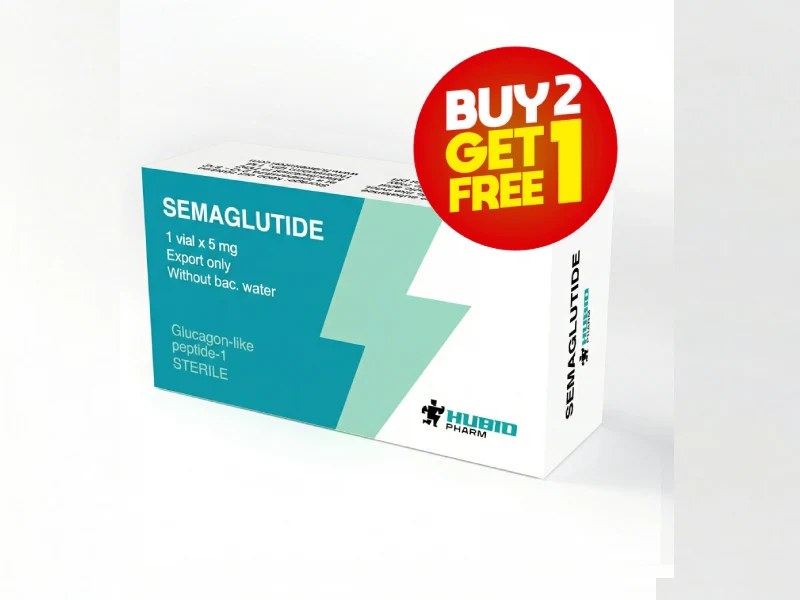
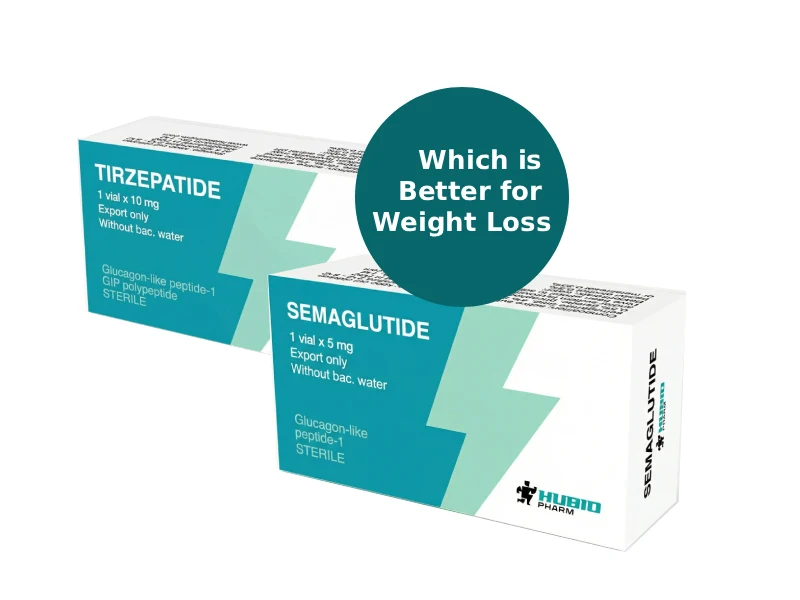
Research Peptide Vials vs. Approved Medication
Products labeled as Tirzepatide Peptide or Semaglutide Peptide may also appear in online research-chemical catalogs.
Such products should not be assumed equivalent to approved pharmaceutical medications.
Clinical trial results from Mounjaro, Zepbound, Ozempic, or Wegovy cannot automatically establish the quality, safety, or effectiveness of unapproved peptide vials.
In addition, a nominal quantity such as 5 mg or 10 mg on a vial describes claimed contents, not a validated clinical treatment regimen.
Product Quality and Documentation
When evaluating information about tirzepatide and semaglutide products, documentation should clearly identify the active ingredient and formulation.
Relevant information may include:
- Manufacturer identity
- Product name and formulation
- Labeled quantity
- Lot or batch information
- Expiration date
- Storage requirements
- Official product labeling
- Applicable pharmaceutical authorization
A Certificate of Analysis may provide information about a tested batch, but it cannot independently establish clinical equivalence, sterility, or suitability for human administration.
Research peptide reviews and laboratory reports should not be treated as substitutes for controlled pharmaceutical manufacturing and clinical evaluation.
Tirzepatide vs Semaglutide: Which Is Better?
For average weight reduction in the SURMOUNT-5 population, tirzepatide demonstrated greater effectiveness than semaglutide over 72 weeks.
However, greater average weight loss does not automatically make tirzepatide the best choice for every patient.
Medication selection depends on several factors, including:
- Medical diagnosis and treatment goals
- Existing cardiovascular or metabolic disease
- Approved indications
- Contraindications and precautions
- Previous medication response
- Gastrointestinal tolerability
- Formulation preferences
- Cost, insurance and availability
A healthcare professional can evaluate these considerations and recommend an appropriate evidence-based treatment.
Frequently Asked Questions About Tirzepatide vs Semaglutide
Is tirzepatide better than semaglutide for weight loss?
In the 72-week SURMOUNT-5 clinical trial, tirzepatide produced greater average weight loss than semaglutide: 20.2% compared with 13.7%. Individual responses and treatment suitability vary.
What is the main difference between tirzepatide and semaglutide?
Tirzepatide activates GIP and GLP-1 receptors, while semaglutide activates GLP-1 receptors.
How much weight can you lose with tirzepatide?
In SURMOUNT-5, participants receiving tirzepatide experienced an average weight reduction of 20.2% after 72 weeks. This is a study average rather than an individual prediction.
How much weight can you lose with semaglutide?
In SURMOUNT-5, participants receiving semaglutide experienced an average weight reduction of 13.7% after 72 weeks. Outcomes depend on the patient and treatment circumstances.
Is tirzepatide the same as Mounjaro?
Tirzepatide is the active ingredient in Mounjaro and Zepbound. Their approved indications and product labeling differ.
Is semaglutide the same as Ozempic?
Semaglutide is the active ingredient in Ozempic, Wegovy, and Rybelsus. These are distinct pharmaceutical products with different formulations or approved uses.
Which medication suppresses appetite more?
Both influence appetite and satiety. Although tirzepatide produced greater average weight loss in SURMOUNT-5, individual appetite responses cannot be reliably predicted from this result alone.
Does tirzepatide work faster than semaglutide?
Rates of weight reduction vary. The SURMOUNT-5 trial established superior average weight loss for tirzepatide at 72 weeks but does not guarantee faster results for every individual.
Which has more side effects?
Both commonly cause gastrointestinal adverse effects, including nausea, diarrhea, vomiting, and constipation. Individual tolerability varies.
Are tirzepatide and semaglutide both GLP-1 medications?
Both activate GLP-1 receptors. Tirzepatide also activates GIP receptors, making it a dual GIP/GLP-1 receptor agonist.
Can tirzepatide and semaglutide be used together?
Combining these medications is not recommended under their prescribing information. Treatment changes require professional medical assessment.
Is tirzepatide better for diabetes?
Some comparative trials in type 2 diabetes have found greater average reductions in HbA1c with tirzepatide than with certain semaglutide regimens. The appropriate medication depends on the patient's medical needs and the specific formulations compared.
Do these medications cause muscle loss?
Substantial weight loss can include decreases in lean body mass. Resistance training, adequate protein intake, and appropriate nutritional care may help preserve muscle function.
Are research peptide vials equivalent to Mounjaro or Ozempic?
No. Unapproved research peptide products cannot be assumed equivalent to approved pharmaceutical medications in formulation, quality, sterility, or clinical performance.
Conclusion: Tirzepatide vs Semaglutide
Tirzepatide and semaglutide are important medications in modern metabolic health and weight management.
Semaglutide activates GLP-1 receptors, while tirzepatide acts on both GIP and GLP-1 receptors.
Both have demonstrated substantial weight loss effects in clinical trials.
The SURMOUNT-5 head-to-head trial found that tirzepatide produced greater average weight reduction than semaglutide after 72 weeks: 20.2% versus 13.7%.
Nevertheless, medication selection should consider approved indications, individual medical history, tolerability, safety risks, and treatment goals.
Clinical outcomes from approved medications should not be automatically applied to unapproved research peptide preparations.
Scientific References and Official Product Information
- Aronne LJ, et al. (2025). Tirzepatide as Compared with Semaglutide for the Treatment of Obesity. New England Journal of Medicine. Read SURMOUNT-5 clinical trial .
- DailyMed. ZEPBOUND (tirzepatide) Prescribing Information. View official product labeling .
- DailyMed. WEGOVY (semaglutide) Prescribing Information. View official product labeling .
- U.S. Food and Drug Administration. FDA's Concerns with Unapproved GLP-1 Drugs Used for Weight Loss. Read safety information .
Medical Disclaimer: This article is for educational purposes only and does not constitute medical advice. Tirzepatide and semaglutide are prescription medications that require appropriate clinical evaluation. Clinical trial outcomes should not be interpreted as guaranteed individual results or evidence supporting unapproved research peptide products.