- Introduction
- What Is Human Growth Hormone (HGH)?
- What Are Peptides?
- HGH vs Peptides – Main Differences
- Hygetropin HGH, Jitropin HGH, and Zptropin HGH Overview
- HCG 5000 IU – Role in Hormonal Balance
- NAD+ – Cellular Energy and Aging Research
- Semaglutide – Metabolic Regulation Compound
- TB-500 – Recovery and Tissue Research Peptide
- Fitness, Anti-Aging, and Recovery Discussion
- Safety and Medical Considerations
- Who Searches for HGH vs Peptides?
- Future of HGH and Peptide Science
- Frequently Asked Questions (FAQ)
- Conclusion
Introduction
Growth hormone therapy and peptide-based wellness technologies have become widely discussed in modern fitness, anti-aging research, and metabolic health optimization. People searching for HGH vs peptides usually want to understand differences in mechanism, potential benefits, market products, and scientific background.
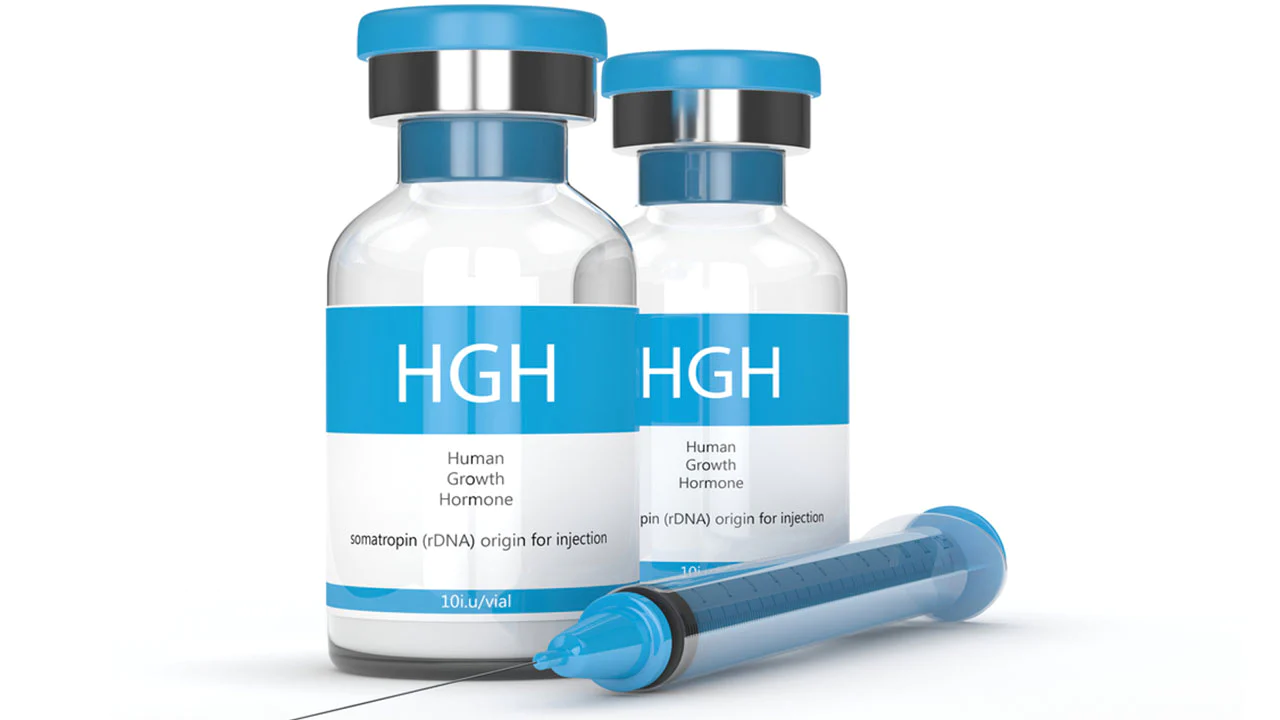
Human growth hormone (HGH) is a naturally occurring hormone responsible for growth, cell regeneration, and metabolic regulation. Peptides are smaller protein fragments that can influence hormone signaling, recovery processes, and biological communication inside the body.
This article provides a detailed comparison of HGH vs peptides, reviews popular HGH brands such as Hygetropin HGH, Jitropin HGH, and Zptropin HGH, and explains modern wellness compounds including HCG 5000 IU, NAD+, Semaglutide, and TB-500 from an informational perspective.
If you are researching anti-aging, muscle recovery, body composition, or metabolic support, this guide will help you understand fundamental differences and considerations.
🔥 Start Your HGH Research Journey Today
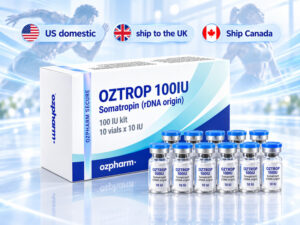
Looking for one of the most discussed recombinant growth hormone research products? Visit the product page to learn more about Hygetropin HGH 100IU research compound.
👉 View Product DetailsWhat Is Human Growth Hormone (HGH)?
Human Growth Hormone is produced by the pituitary gland and plays an important role in growth regulation, tissue repair, and metabolism.
HGH is sometimes discussed in sports science and anti-aging research because of its potential influence on:
- Muscle tissue maintenance
- Fat metabolism
- Cellular regeneration
- Bone density support
- Recovery after physical activity
Synthetic HGH products are manufactured for medical purposes, such as treating growth hormone deficiency under professional supervision.
Popular HGH Brands: Hygetropin, Jitropin, Zptropin
Several commercial HGH products are known in global markets.
Hygetropin HGH is often mentioned as a widely distributed recombinant growth hormone preparation. It is marketed in some regions for laboratory and clinical research.
Jitropin HGH is another brand associated with recombinant growth hormone production.
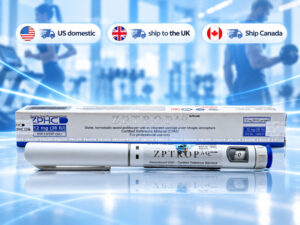
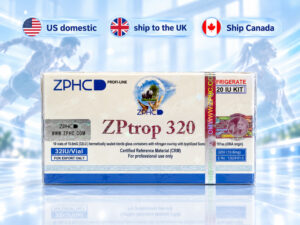
Zptropin HGH is less widely documented but appears in certain international supply chains.
Important note: Product quality, authenticity, and legality vary by region. Consumers should always follow medical guidance and local regulations.
What Are Peptides?
Peptides are short chains of amino acids that function as biological signaling molecules.
Unlike full hormones, peptides usually work by stimulating or modulating natural processes rather than directly replacing hormones.
In wellness research, peptides are studied for:
- Tissue repair support
- Metabolic signaling
- Recovery optimization
- Cellular communication pathways
Peptide therapy research continues to evolve, and many compounds are still under clinical evaluation.
HGH vs Peptides – Main Differences
1. Mechanism of Action
- HGH provides direct hormonal activity related to growth and metabolism.
- Peptides often stimulate the body’s own regulatory systems.
2. Molecular Size
- HGH is a relatively large protein hormone.
- Peptides are smaller molecular fragments.
3. Duration of Effect
- HGH tends to have systemic metabolic influence.
- Peptides may target specific biological pathways.
4. Medical Usage
Both HGH and peptide therapies should only be considered under qualified medical supervision.
Hygetropin HGH, Jitropin HGH, and Zptropin HGH Overview
These products are often discussed in international supplement and research markets.
Hygetropin HGH
Hygetropin is commonly associated with recombinant growth hormone production. People search for information about it in the context of hormone research and fitness optimization.
Jitropin HGH
Jitropin is another brand name sometimes linked with laboratory-grade growth hormone manufacturing.
Zptropin HGH
Information about Zptropin distribution is more limited compared to other brands.
Quality verification and product authentication are important considerations when studying any HGH product.
HCG 5000 IU – Role in Hormonal Balance
Human Chorionic Gonadotropin (HCG) is a hormone that supports reproductive endocrine signaling.
The 5000 IU formulation is commonly discussed in clinical hormone research contexts.
HCG may influence:
- Hormonal signaling pathways
- Reproductive endocrine support
- Biological regulation mechanisms
HCG is medically used for specific hormonal conditions.
NAD+ – Cellular Energy and Aging Research
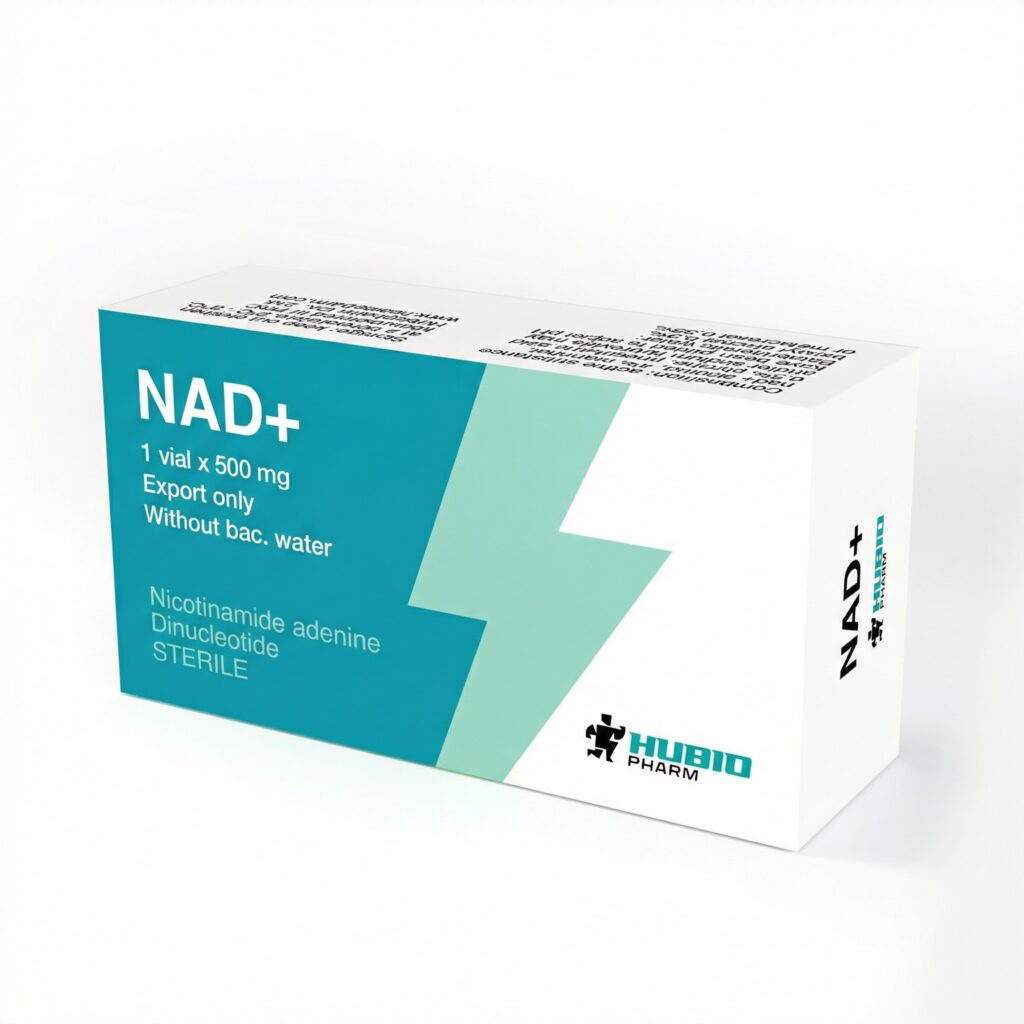
Nicotinamide adenine dinucleotide (NAD+) is a coenzyme involved in cellular energy production.
Research around NAD+ focuses on:
- Mitochondrial function support
- Cellular metabolism
- Oxidative stress pathways
- Aging biology studies
NAD+ science is still developing, and many claims require further clinical validation.
Semaglutide – Metabolic Regulation Compound
Semaglutide belongs to a class of medications that influence glucose regulation and appetite signaling.
It is medically studied for:
- Blood sugar control
- Weight management support
- Metabolic health treatment protocols
Semaglutide is a prescription medication in many countries.
TB-500 – Recovery and Tissue Research Peptide
TB-500 (Thymosin Beta-4 fragment research compound) is often mentioned in scientific literature related to tissue repair mechanisms.
Areas of research interest include:
- Cellular migration processes
- Wound recovery models
- Muscle tissue repair biology
Clinical approval status varies by region.
Fitness, Anti-Aging, and Recovery Discussion
Interest in HGH and peptides is often associated with performance recovery, body composition, and longevity research.
However, biological response varies between individuals.
Healthy lifestyle factors such as:
- Balanced nutrition
- Physical activity
- Sleep quality
- Stress management
remain fundamental for long-term wellness.
🔥 Explore Jintropin HGH Research Compound
Interested in a widely discussed recombinant growth hormone research product with USA domestic availability? Learn more about Jintropin HGH 100IU on the product page below.
👉 View Jintropin HGH 100IU DetailsSafety and Medical Considerations
Hormonal and peptide research compounds should be handled carefully.
Potential risks may include hormonal imbalance or metabolic disruption if used improperly.
Important guidelines:
- Consult licensed healthcare professionals
- Avoid unverified suppliers
- Follow medical advice for hormone therapies
- Monitor health markers regularly
This article does not provide treatment instructions.
Who Searches for HGH vs Peptides?
Typical audiences include:
- Fitness researchers
- Anti-aging science enthusiasts
- Biomedical students
- Sports science readers
- Metabolic health learners
Future of HGH and Peptide Science
Modern biotechnology continues exploring peptide signaling systems and growth regulation therapy.
Areas of ongoing research include:
- Regenerative medicine
- Cellular repair technologies
- Metabolic disease treatment
- Longevity science
Frequently Asked Questions (FAQ)
Is HGH better than peptides?
It depends on the biological goal. HGH acts directly as a hormone, while peptides usually modulate signaling pathways.
Are Hygetropin, Jitropin, and Zptropin the same?
They are different brand names associated with growth hormone products. Quality and manufacturing standards may differ.
Can peptides replace HGH?
Scientific research suggests they operate differently and are not direct substitutes.
Is Semaglutide used for weight loss?
Semaglutide is studied for metabolic regulation and weight management under prescription supervision.
What is NAD+ therapy?
NAD+ research focuses on cellular energy metabolism and aging biology.
Conclusion
The comparison of HGH vs peptides continues to be an important topic in modern biomedical and fitness research.
Products such as Hygetropin HGH, Jitropin HGH, and Zptropin HGH are often discussed in international hormone research markets. Meanwhile, compounds like HCG 5000 IU, NAD+, Semaglutide, and TB-500 represent different directions of metabolic and cellular science.
Understanding differences between hormonal therapy and peptide signaling helps readers make informed educational decisions.
Always prioritize professional medical consultation when exploring hormone-related technologies.