 Best Seller
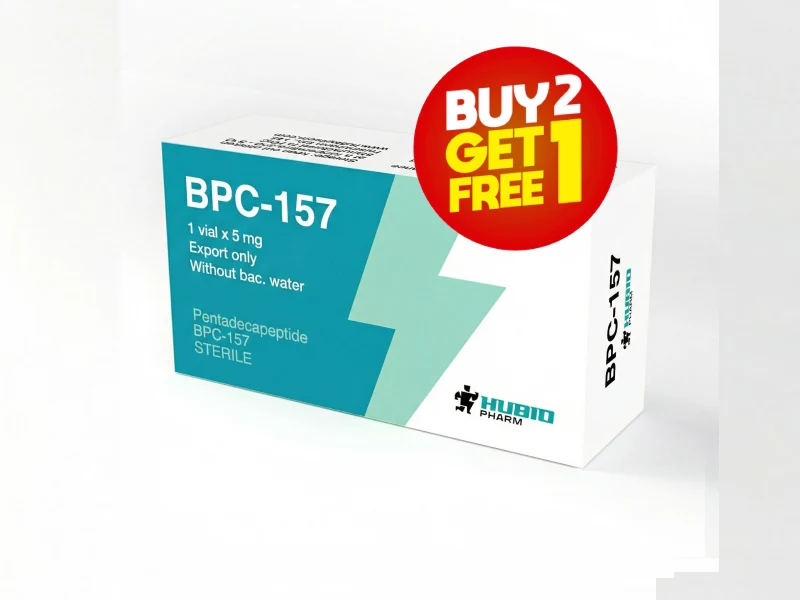
| Product name | BPC-157 Peptide 5mg |
|---|---|
| Listed compound | BPC-157 |
| Labeled quantity | 5 mg |
| Category | Peptides & Research Compounds |
Peptides catalog
BPC-157 Peptide 5mg
$75.00
In stock
BPC-157 Peptide 5mg is a synthetic 15-amino-acid peptide investigated for its involvement in cellular signaling, gastrointestinal tissue biology, and experimental tissue repair mechanisms. Also known as Body Protection Compound-157, this research peptide has attracted scientific interest in studies involving connective tissues, angiogenesis, and cellular responses to injury. Available in a 5mg presentation for laboratory research.
BPC-157 Peptide 5mg: Product Overview
BPC-157 Peptide 5mg, also known as Body Protection Compound-157 or Bepecin, is a synthetic pentadecapeptide investigated in experimental studies of cellular signaling, gastrointestinal tissue biology, and tissue repair mechanisms.
Composed of 15 amino acids, BPC-157 has attracted scientific interest for its activity in preclinical models involving connective tissues, blood vessel formation, and cellular responses to injury.
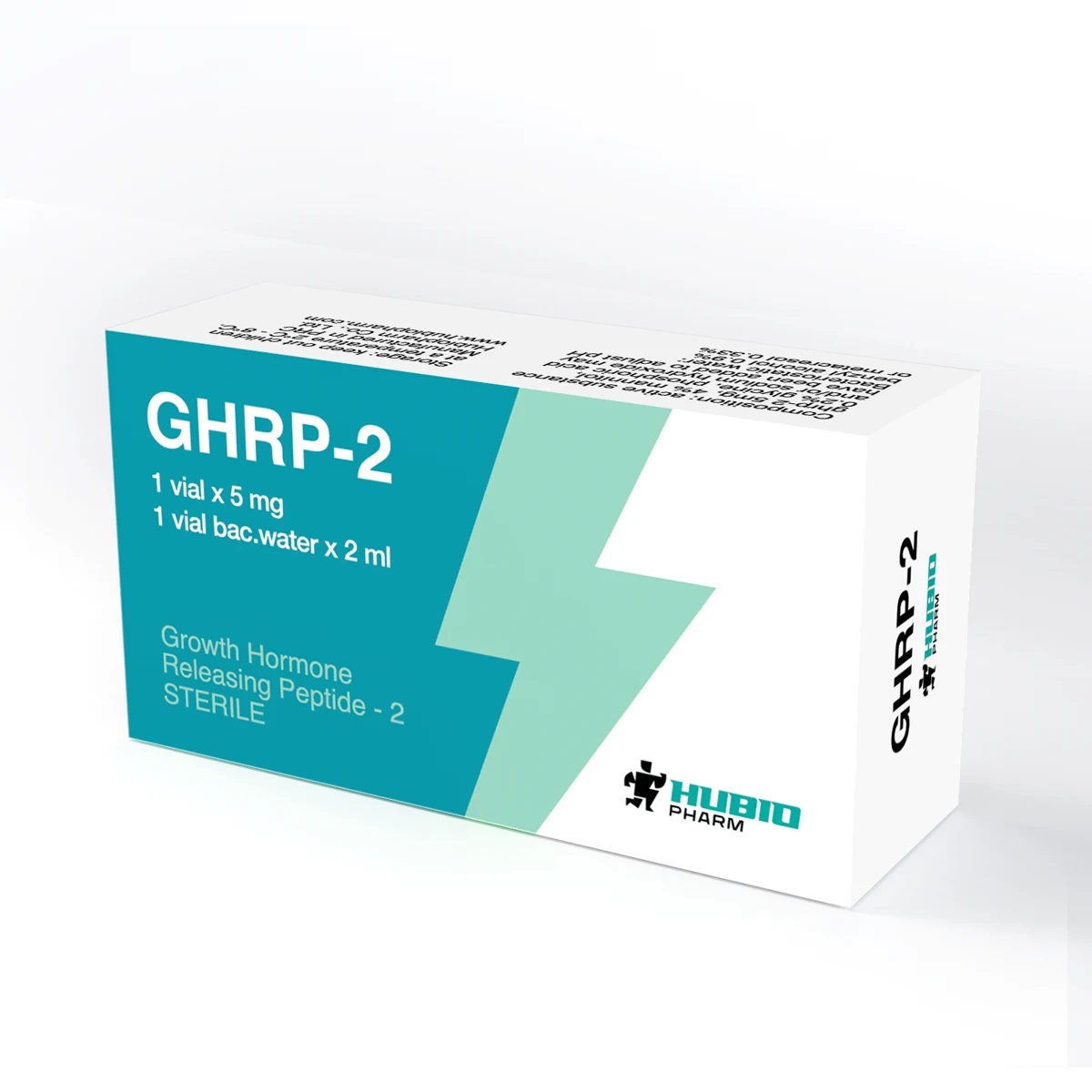
Unlike growth hormone secretagogues such as GHRP-2 and Ipamorelin, BPC-157 belongs to a different peptide research category. The 5mg designation identifies the stated peptide quantity in this product listing.
BPC-157 5mg Product Specifications
- Product Name: BPC-157 Peptide 5mg
- Alternative Names: BPC 157, Body Protection Compound-157, Bepecin
- Peptide Type: Synthetic pentadecapeptide
- Peptide Length: 15 amino acids
- Peptide Sequence: GEPPPGKPADDAGLV
- CAS Number: 137525-51-0 (free peptide)
- Molecular Formula: C62H98N16O22 (free peptide)
- Molecular Weight: Approximately 1419.5 g/mol
- Listed Quantity: 5mg
- Research Category: Cellular Signaling and Tissue Biology
- Product Category: Research Peptides
These molecular specifications refer to the free-peptide form of BPC-157. BPC-157 acetate and other preparations can have different compositional characteristics. The supplied chemical form should be verified using product-specific documentation.
What Is BPC-157 Peptide?
BPC-157 is a synthetic peptide composed of 15 amino acid residues. Its sequence is associated with research into gastric-derived protective compounds and biological processes involved in tissue responses to injury.
Experimental investigations have examined BPC-157 in models involving gastrointestinal tissues, tendons, ligaments, muscles, and vascular signaling.
Although these studies have produced interesting preclinical findings, BPC-157 remains investigational, and its effectiveness in humans has not been established.
Key Characteristics of BPC-157
- Defined Peptide Structure: A synthetic 15-amino-acid sequence with established chemical reference characteristics.
- Tissue Biology Research: Studied in preclinical models involving connective tissue responses and tissue repair pathways.
- Gastrointestinal Research: Investigated in experimental models of gastric and intestinal tissue responses.
- Cellular Signaling: Research has explored interactions involving growth factor pathways and cellular migration.
- Vascular Research: Investigated for effects on blood vessel-related signaling in experimental models.
- 5mg Presentation: Clearly identified peptide quantity for laboratory research documentation.
BPC-157 Mechanism of Action
The biological mechanisms associated with BPC-157 remain under investigation. Preclinical research has examined potential interactions involving nitric oxide signaling, angiogenesis, growth factor-related pathways, and cellular migration.
Some animal and laboratory studies have reported changes in biological processes associated with tissue repair after exposure to BPC-157.
However, no single established mechanism fully explains the reported experimental effects. Findings in laboratory and animal models cannot automatically be translated into clinical benefits in humans.
BPC-157 and Tissue Repair Research
BPC-157 has been investigated in experimental studies involving tendon, ligament, muscle, and other connective tissue models.
Researchers have explored cellular migration, collagen-related responses, and biological processes involved in tissue organization after injury.
These investigations are primarily preclinical. Current human research is insufficient to establish BPC-157 as a proven treatment for sports injuries, tendon damage, or muscle recovery.
BPC-157 and Gastrointestinal Research
Early investigations of BPC-157 focused on gastrointestinal tissue biology and protective responses in experimental models.
Animal studies have evaluated the peptide in models involving gastric lesions, intestinal tissue integrity, and inflammatory processes.
These findings contributed to scientific interest in BPC-157, but they do not establish clinical effectiveness for gastrointestinal diseases in humans.
BPC-157 vs TB-500: Key Differences
BPC-157 and TB-500 are frequently discussed together in peptide research, but they represent different molecular structures and research backgrounds.
- BPC-157: A synthetic pentadecapeptide investigated in experimental models of gastrointestinal tissue biology and connective tissue responses.
- TB-500: A peptide associated with the thymosin beta-4 research family, commonly identified with a shorter synthetic peptide fragment.
- Molecular Structure: BPC-157 contains 15 amino acid residues, while commonly described TB-500 fragment preparations have a different sequence and structure.
- Research Evidence: Findings involving these compounds should be evaluated individually rather than treated as interchangeable.
Commercial naming conventions for TB-500 can vary. Accurate comparisons require confirmation of the supplied peptide identities and sequences.
BPC-157 vs Growth Hormone Peptides
BPC-157 differs from growth hormone secretagogues such as GHRP-2, GHRP-6, and Ipamorelin.
Growth hormone secretagogues interact with receptor systems associated with endogenous growth hormone secretion. BPC-157 has instead been investigated primarily in experimental tissue biology and cellular signaling research.
BPC-157 should not be described as recombinant human growth hormone or as a growth hormone secretagogue.
BPC-157 Scientific Research Background
Scientific investigations of BPC-157 have included experimental studies involving connective tissues, gastrointestinal systems, vascular signaling, and cellular responses to injury.
Many published findings come from laboratory and animal models. Human evidence remains limited to small, methodologically weak studies, with insufficient data to establish reliable clinical effectiveness or long-term safety.
Further controlled human research is needed to clarify its biological effects, pharmacological properties, and clinical relevance.
BPC-157 Peptide 5mg Product Documentation
The BPC-157 Peptide 5mg product listing identifies a stated quantity of synthetic peptide material.
Product evaluation should include verification of the amino acid sequence, chemical form, declared quantity, original labeling, and available batch-specific analytical documentation.
Relevant documentation may include peptide identity analysis, purity testing, and formulation-specific storage instructions. Reference chemical properties do not establish the quality of an individual supplied batch.
BPC-157 remains an investigational compound, and its safety and effectiveness for human use have not been established.
Frequently Asked Questions About BPC-157 Peptide 5mg
What is BPC-157 Peptide 5mg?
BPC-157 Peptide 5mg is a product listing for a stated 5mg quantity of a synthetic 15-amino-acid peptide investigated in tissue biology and cellular signaling research.
What does BPC-157 stand for?
BPC stands for Body Protection Compound. BPC-157 is also known as Bepecin.
What is BPC-157 studied for?
BPC-157 has been investigated in preclinical studies involving gastrointestinal tissues, connective tissue responses, cellular signaling, and experimental tissue repair mechanisms.
Does BPC-157 help with tendon or muscle recovery?
Some animal studies have reported effects on tissue repair processes. However, reliable human clinical evidence is insufficient to establish BPC-157 as an effective treatment for tendon or muscle injuries.
What is the difference between BPC-157 and TB-500?
BPC-157 is a synthetic 15-amino-acid peptide, while TB-500 is associated with the thymosin beta-4 peptide family. Their structures and research histories differ.
Is BPC-157 a growth hormone peptide?
No. BPC-157 is not recombinant human growth hormone or a conventional growth hormone secretagogue.
What is BPC-157 acetate?
BPC-157 acetate is a salt form of the peptide. Its chemical composition differs from the free-peptide reference structure.
What does 5mg mean in BPC-157 5mg?
The 5mg designation indicates the stated quantity of peptide material in the product listing. It does not represent a recommended administration dose.
Is BPC-157 proven effective in humans?
No. Available human studies are small and provide very low-certainty evidence. Adequately controlled clinical research is needed to establish safety and effectiveness.
What documentation should be checked for BPC-157?
Important details include peptide identity, amino acid sequence, declared quantity, chemical form, available batch-specific analysis, and storage requirements.
Related products
Related guides & information
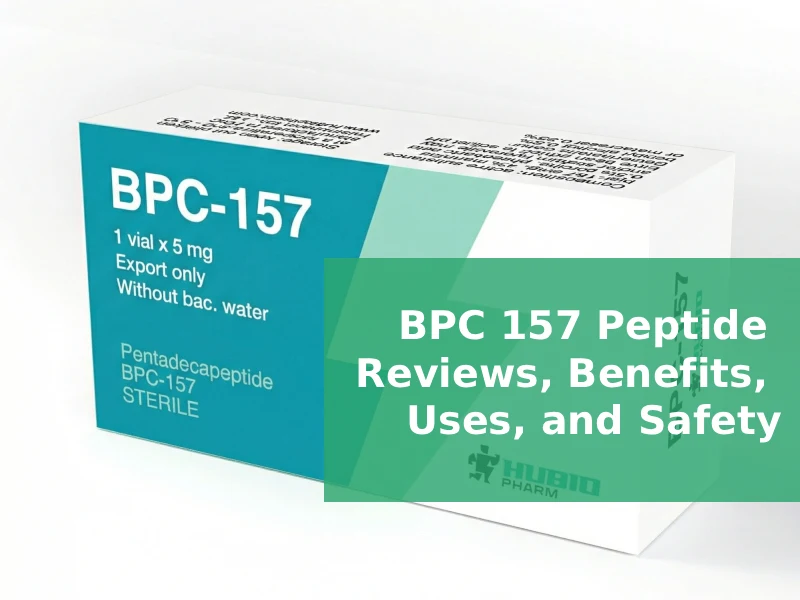
BPC-157 Reviews: Real Experiences, Results & Side Effects
BPC-157 reviews often mix laboratory findings, small human reports and personal testimonials.
▤ 9 min read · Read guide →
HGH vs Peptides: Definitions and Compound Families
“HGH versus peptides” is an imprecise comparison because HGH is itself a peptide hormone. In catalogs, “peptides” usually groups many different compounds rather than naming a single alternative to growth hormone.
▤ 2 min read · Read guide →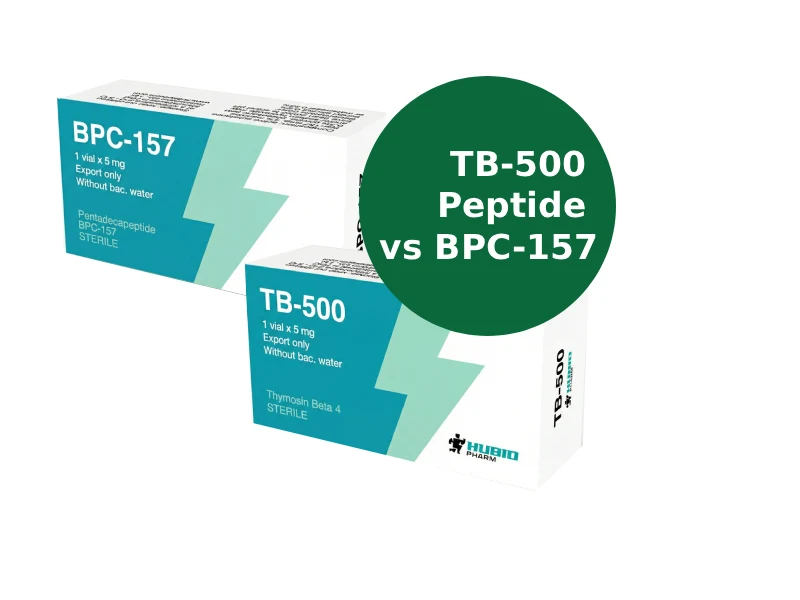
TB-500 vs BPC-157: Compound Identity and Research Evidence
TB-500 and BPC-157 are different peptide listings often discussed together in recovery-related marketing. A useful comparison separates the exact compounds, the experimental setting and the outcomes measured.
▤ 2 min read · Read guide →