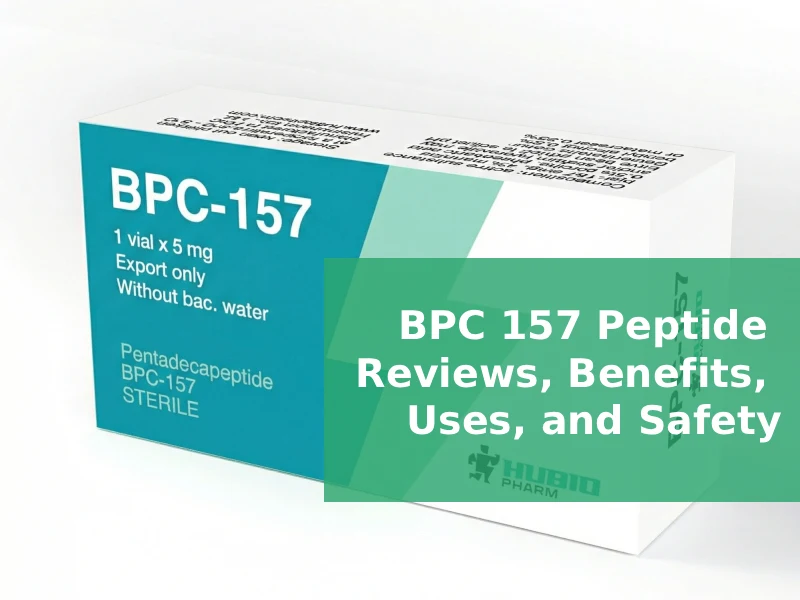
BPC-157 Reviews: Real Experiences, Results and Scientific Evidence
BPC-157 reviews have attracted considerable attention among fitness enthusiasts, athletes, and people researching experimental peptides for muscle, tendon, ligament, and joint recovery. Online discussions include reports of reduced discomfort, improved mobility, and faster recovery, alongside reports of disappointing results and unwanted symptoms.
But does BPC-157 actually work, and how reliable are the experiences shared online?
This review examines common BPC-157 user experiences, reported results, side effects, product-quality concerns, and the scientific evidence available in 2026.
Importantly, personal testimonials are not equivalent to controlled clinical research. Positive or negative experiences may reflect several factors unrelated to the peptide itself.
What Is BPC-157?
BPC-157, sometimes called Body Protection Compound-157, is a synthetic peptide consisting of 15 amino acids.
It has been investigated in preclinical research involving tissue repair, inflammation, blood vessel signaling, and gastrointestinal protection.
Much of the interest in BPC-157 comes from experimental studies involving animal models of:
- Tendon injuries
- Ligament damage
- Muscle injuries
- Joint inflammation
- Gastrointestinal tissue damage
Although some preclinical findings appear promising, BPC-157 has not been established as a safe or effective treatment for these conditions in humans.
BPC-157 User Reviews: What Do People Report?
Online BPC-157 discussions contain a mixture of positive, negative, and inconclusive personal experiences.
Common themes include perceived changes in injury-related discomfort, mobility, recovery, and general physical well-being.
Positive BPC-157 Reviews
Some people posting about BPC-157 describe improvements in:
- Perceived joint comfort
- Tendon-related discomfort
- Mobility during rehabilitation
- Exercise-related soreness
- Subjective recovery after physical activity
These are categories of self-reported experiences rather than clinically verified treatment outcomes.
In many online accounts, the individual is also using physical therapy, changing exercise intensity, taking other compounds, or recovering naturally over time.
Consequently, an improvement occurring after BPC-157 exposure does not establish that BPC-157 caused the improvement.
Negative BPC-157 Reviews
Not all online experiences are favorable.
Some users report no noticeable improvement in their original symptoms. Others describe new or unexpected symptoms during the same period.
Negative experiences discussed online include:
- No perceived recovery benefit
- Headaches or fatigue
- Sleep-related complaints
- Anxiety or changes in mood
- Injection-site complaints in accounts involving injectable products
These reports do not establish the frequency or causation of adverse effects. However, they reinforce the uncertainty surrounding unstudied human exposure.
Mixed or Inconclusive Experiences
Some individuals describe changes in one symptom without improvements in other aspects of recovery.
Others cannot distinguish the effects of BPC-157 from simultaneous rehabilitation, rest, medication, or changes in physical activity.
This uncertainty is one reason controlled clinical trials are necessary before effectiveness can be established.
BPC-157 Recovery Reviews: Tendons, Ligaments and Joints
BPC-157 Tendon Recovery Reviews
Tendon recovery is one of the most frequently discussed topics associated with BPC-157.
Animal studies have investigated biological effects involving tendon healing and tissue repair.
However, successful outcomes in animal experiments cannot be directly translated into proven treatment benefits for human tendon injuries.
At present, robust randomized human trials demonstrating accelerated tendon healing with BPC-157 are lacking.
BPC-157 Joint Pain Reviews
Some online accounts describe reduced joint discomfort or improved movement.
A small retrospective human study involving knee pain has been discussed in scientific reviews.
Nevertheless, uncontrolled observations cannot reliably separate treatment effects from placebo responses, natural symptom fluctuations, or other interventions.
BPC-157 Muscle Recovery Reviews
Muscle recovery is another common subject in peptide discussions.
Experimental studies have explored effects on muscle injury models, but evidence demonstrating improved human muscle recovery remains insufficient.
There is currently no strong clinical basis for treating BPC-157 as a proven method for accelerating resistance-training recovery or muscle repair.
BPC-157 Before and After: How Reliable Are the Results?
People researching BPC-157 often encounter before-and-after claims describing changes in pain, movement, or injury recovery.
Unlike a controlled clinical study, an individual before-and-after account usually lacks a comparison group and standardized outcome measurements.
Several factors can affect these reports:
- Natural healing over time
- Changes in training volume
- Physical therapy or rehabilitation
- Concurrent medications or supplements
- Placebo effects
- Differences in the original injury
- Incomplete reporting of negative experiences
Before-and-after testimonials should therefore be interpreted as personal observations, not proof of BPC-157 effectiveness.
BPC-157 Reviews vs. Scientific Research
Scientific research provides an important reference point for evaluating claims found in BPC-157 reviews.
A systematic review published in October 2026 examined available human evidence concerning BPC-157 in orthopaedic and regenerative medicine.
The review identified three eligible human studies involving a combined total of 30 participants.
These included small investigations involving knee pain, interstitial cystitis, and intravenous exposure.
The authors identified important methodological weaknesses and rated the overall certainty of evidence as very low.
They concluded that clinical human use was not supported outside appropriately regulated, ethically approved trials.
What Animal Studies Suggest
Preclinical studies have explored potential effects on:
- Tissue repair pathways
- Inflammatory processes
- Blood vessel signaling
- Tendon and ligament injury models
- Experimental gastrointestinal injuries
These findings provide reasons for further scientific investigation, but do not establish effectiveness or safety in humans.
BPC-157 Claims and Evidence Comparison
| Common Claim | Evidence Status |
|---|---|
| Faster tendon recovery | Preclinical findings; human benefit not established |
| Improved ligament healing | Primarily animal research |
| Reduced joint discomfort | Limited uncontrolled human observations |
| Faster muscle recovery | Insufficient human clinical evidence |
| Improved gastrointestinal healing | Primarily preclinical evidence |
| Better athletic performance | Not established in controlled human trials |
| Long-term safety | Unknown |
BPC-157 Reviews and Potential Side Effects
Understanding BPC-157 side effects is difficult because adequate controlled human safety studies are unavailable.
Online accounts mention a variety of symptoms, but the relationship between BPC-157 exposure and these experiences has not been established.
Potential concerns include:
- Unknown long-term biological effects
- Uncertain interactions with other substances
- Product contamination or incorrect labeling
- Variation in purity and actual peptide content
- Adverse reactions associated with unverified formulations
The absence of side effects in a personal review does not demonstrate safety.
Likewise, an adverse symptom mentioned in a testimonial cannot automatically be attributed to the peptide.
BPC-157 Product Reviews: Quality and Documentation
When evaluating BPC-157 product reviews, it is important to distinguish feedback about packaging and delivery from claims about biological effectiveness.
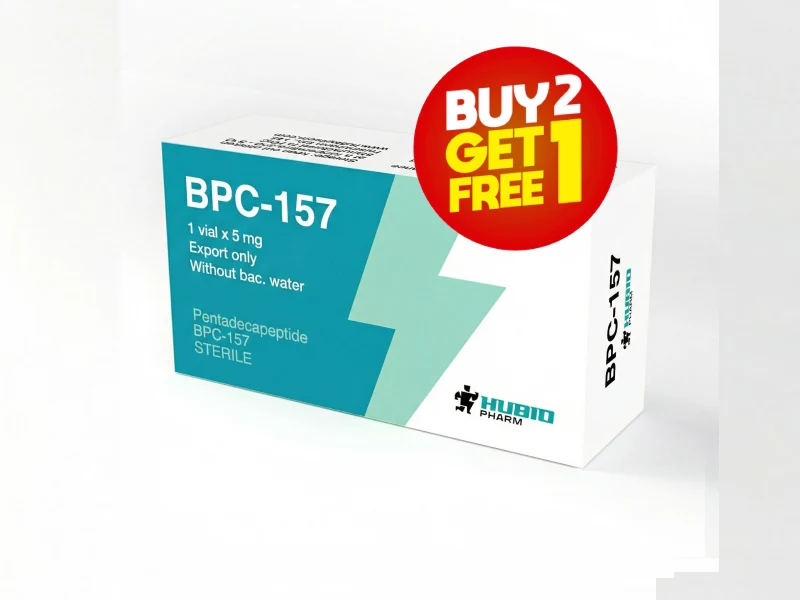
A review describing intact packaging or successful delivery does not confirm the identity, purity, sterility, or potency of the contents.
Product Labeling
Product information may include a peptide name, nominal quantity, lot number, and other identifying details.
However, printed specifications alone cannot establish the actual contents of an unverified preparation.
Certificates of Analysis
Laboratory certificates may provide information about tests performed on specific samples or batches.
A certificate should be assessed for the testing laboratory, sample identification, analytical methods, and relationship to the specific batch.
Even an authentic analytical report does not independently establish that a product is suitable for human administration.
Research-Only Product Claims
Some BPC-157 products are described as research peptides.
Research labeling should not be interpreted as evidence of clinical approval, human-use safety, or therapeutic effectiveness.
How to Evaluate BPC-157 Reviews Critically
When reading online testimonials, consider whether the reviewer describes a specific condition, whether outcomes were measured, and whether other interventions occurred at the same time.
Questions worth asking include:
- Is this a firsthand account or promotional material?
- Was the original condition medically diagnosed?
- Were outcomes measured objectively?
- Were other treatments used simultaneously?
- Does the review describe uncertainty or limitations?
- Is there independent evidence supporting the claims?
- Does the account disclose adverse experiences?
A balanced review should acknowledge the possibility of improvement without presenting an individual experience as a scientifically established treatment effect.
BPC-157 vs. TB-500 Reviews
BPC-157 and TB-500 are frequently discussed together in online recovery and peptide communities.
However, they are different compounds, and research findings for one should not be used as evidence for the other.
Some online reviewers describe using both compounds simultaneously, which makes it difficult to attribute perceived changes to either substance.
Neither anecdotal comparisons nor combined-use testimonials establish the clinical effectiveness or safety of these investigational products.
Frequently Asked Questions About BPC-157 Reviews
Does BPC-157 really work?
Preclinical research has produced findings of scientific interest, but reliable clinical evidence establishing BPC-157 effectiveness in humans remains insufficient.
Are BPC-157 reviews positive?
Online reviews are mixed. Some people describe perceived improvements, while others report no benefit or unwanted symptoms. These experiences do not establish treatment efficacy.
What do BPC-157 tendon reviews say?
Some online accounts describe reduced tendon discomfort or improved mobility. However, these testimonials are not supported by robust randomized human trials demonstrating faster tendon healing.
Are there BPC-157 side effects?
Reliable short-term and long-term human safety data are limited. Online users report various symptoms, but their frequency and causal relationship to BPC-157 are unknown.
Does BPC-157 help with joint pain?
Very limited uncontrolled human observations have been reported, but there is insufficient evidence to establish BPC-157 as an effective joint pain treatment.
Is BPC-157 effective for muscle recovery?
Human clinical research has not established that BPC-157 improves muscle recovery following exercise or injury.
Are BPC-157 before-and-after results reliable?
Before-and-after accounts may be influenced by natural recovery, rehabilitation, placebo effects, and other interventions. They are not a substitute for controlled studies.
Is BPC-157 approved for human use?
BPC-157 is an investigational peptide and is not approved as a medicine for human use by major regulators such as the US FDA.
Is BPC-157 banned in sports?
Yes. BPC-157 is prohibited under the World Anti-Doping Agency's S0 Non-Approved Substances category.
Can product reviews confirm BPC-157 purity?
No. Customer reviews cannot independently confirm peptide identity, purity, sterility, or actual concentration.
Conclusion: What Do BPC-157 Reviews Really Tell Us?
BPC-157 reviews reveal substantial interest in an experimental peptide associated with recovery and tissue-repair claims.
Some individuals report favorable experiences involving discomfort, mobility, or recovery. Others describe disappointing outcomes or unwanted symptoms.
Current scientific evidence does not establish BPC-157 as a safe or effective human treatment for tendon injuries, ligament damage, joint pain, or muscle recovery.
A 2026 systematic review found only a small body of low-quality human evidence, highlighting the need for rigorous clinical trials.
Readers should therefore distinguish anecdotal BPC-157 experiences from verified clinical outcomes and avoid treating online testimonials as proof of therapeutic benefit.
Scientific References and Further Reading
- Poolton JT, Minett J, Kazmi A. (2026). Human Evidence for BPC-157 in Orthopaedic and Regenerative Medicine: A Systematic Review of Efficacy and Safety. Acta Orthopaedica Belgica. Read systematic review.
- Emerging Use of BPC-157 in Orthopaedic Sports Medicine: A Systematic Review. (2025). View PubMed publication.
- BPC-157 as an Investigational Peptide Therapeutic: Biopharmaceutical Challenges, Formulation Strategies, and Translational Development Barriers. (2026). View scientific review.
- Sport Integrity Australia. BPC-157: Substance Education and Anti-Doping Information. Read official information.
Medical Disclaimer: This article is intended for educational purposes only. BPC-157 is an investigational peptide with insufficient human safety and efficacy evidence. This content does not constitute medical advice or endorse its use for injury treatment or performance enhancement.