HCG Gonadotropin: Benefits, Uses, Effects and Product Information
HCG gonadotropin, also known as human chorionic gonadotropin (hCG), is a hormone involved in reproductive function and hormonal signaling. Pharmaceutical HCG is used in selected treatments involving fertility, ovulation, and certain forms of male hypogonadism.
HCG has attracted attention because of its ability to stimulate luteinizing hormone (LH) receptors and influence testosterone production in males. It also has an established role in selected fertility treatment protocols.
This guide explains what HCG is, how it works, its clinical applications, effects on testosterone and fertility, available pharmaceutical formulations, and important safety information.
What Is HCG (Human Chorionic Gonadotropin)?
Human chorionic gonadotropin is a glycoprotein hormone naturally produced in substantial quantities during pregnancy, primarily by placental tissue.
HCG shares important biological characteristics with luteinizing hormone (LH), one of the hormones responsible for regulating reproductive function.
Pharmaceutical HCG acts on LH receptors and influences hormone production in specific reproductive tissues.
Its principal biological functions include:
- Supporting reproductive hormone signaling
- Stimulating testosterone production in males
- Supporting selected male fertility treatments
- Triggering final follicular maturation and ovulation in appropriate female fertility protocols
- Supporting normal physiological processes during pregnancy
Although HCG is sometimes discussed alongside peptides and other hormones, it is a distinct glycoprotein hormone with its own biological mechanisms and medical indications.
How Does HCG Gonadotropin Work?
HCG works primarily by binding to luteinizing hormone receptors.
These receptors are involved in the regulation of reproductive function in both males and females.
HCG and Luteinizing Hormone
Luteinizing hormone is produced by the anterior pituitary gland and helps regulate reproductive hormone production.
In males, LH stimulates Leydig cells in the testes to produce testosterone.
HCG can activate the same receptor pathway, making it useful in certain medical conditions involving insufficient gonadotropin stimulation.
HCG and Testosterone Production
In males with responsive testicular tissue, HCG can stimulate endogenous testosterone production through LH receptor activation.
The biological response depends on the underlying condition, testicular function, and other individual factors.
Importantly, HCG does not function in the same way as directly administered testosterone.
HCG Gonadotropin Benefits and Medical Uses
HCG has established medical applications, particularly in reproductive endocrinology.
1. Testosterone Production in Selected Male Patients
One important clinical application of HCG involves selected cases of hypogonadotropic hypogonadism.
This condition involves insufficient stimulation of the testes due to deficiencies in hypothalamic or pituitary hormone signaling.
In appropriately selected patients, HCG can stimulate testosterone production through its action on Leydig cells.
However, it does not correct every cause of low testosterone, particularly conditions involving primary testicular failure.
2. Male Fertility Treatment
HCG may be used as part of specialist treatment for certain forms of male infertility associated with gonadotropin deficiency.
By stimulating testicular testosterone production, HCG can help support the hormonal environment required for sperm production.
Some patients also require follicle-stimulating hormone (FSH) therapy because testosterone stimulation alone may not restore adequate spermatogenesis.
Treatment outcomes depend on the underlying diagnosis and reproductive health history.
3. Ovulation Induction
HCG is used in selected female fertility protocols to trigger final follicular maturation and ovulation.
It acts through LH receptors and mimics aspects of the physiological LH surge.
Appropriate timing and clinical monitoring are essential because ovarian response varies between patients.
4. Assisted Reproductive Technology
HCG-containing medications may be incorporated into certain assisted reproductive treatment protocols.
The exact clinical role depends on the patient's diagnosis, ovarian response, and the fertility specialist's treatment plan.
5. Selected Pediatric Conditions
Some chorionic gonadotropin products have historically been approved for selected cases of prepubertal cryptorchidism not caused by anatomical obstruction.
However, clinical practice and preferred treatment approaches vary. Surgical management is generally preferred for persistent undescended testes in contemporary pediatric care.
HCG for Men: Testosterone and Fertility
HCG is frequently researched in relation to male hormone function because it can stimulate testosterone production through the LH receptor pathway.
HCG vs. Testosterone Replacement Therapy
Testosterone replacement therapy supplies testosterone directly.
HCG, by contrast, stimulates endogenous testosterone production in responsive testicular tissue.
These approaches are biologically different and cannot be considered universally interchangeable.
Exogenous testosterone can suppress pituitary gonadotropin signaling and sperm production. In selected clinical circumstances, specialists may consider gonadotropin-based approaches when fertility preservation is a concern.
HCG and Sperm Production
Normal sperm production depends on several hormonal pathways, including LH, FSH, and intratesticular testosterone.
HCG can support one component of this system by stimulating testosterone production within the testes.
However, improvements in testosterone levels do not guarantee restoration of fertility or normal sperm production.
HCG in Bodybuilding and Fitness Discussions
HCG is sometimes discussed in bodybuilding communities because of its effects on testosterone signaling.
Online discussions may describe HCG in connection with anabolic steroid exposure, suppression of endogenous hormones, or attempts to restore reproductive function.
However, these nonmedical practices should not be confused with established clinical treatment.
There is insufficient evidence to support unsupervised HCG use as a safe or reliable method for improving muscle growth, athletic performance, or hormonal recovery after anabolic steroid use.
Individuals experiencing symptoms of hormone suppression or infertility require appropriate clinical evaluation rather than relying on unverified hormone protocols.
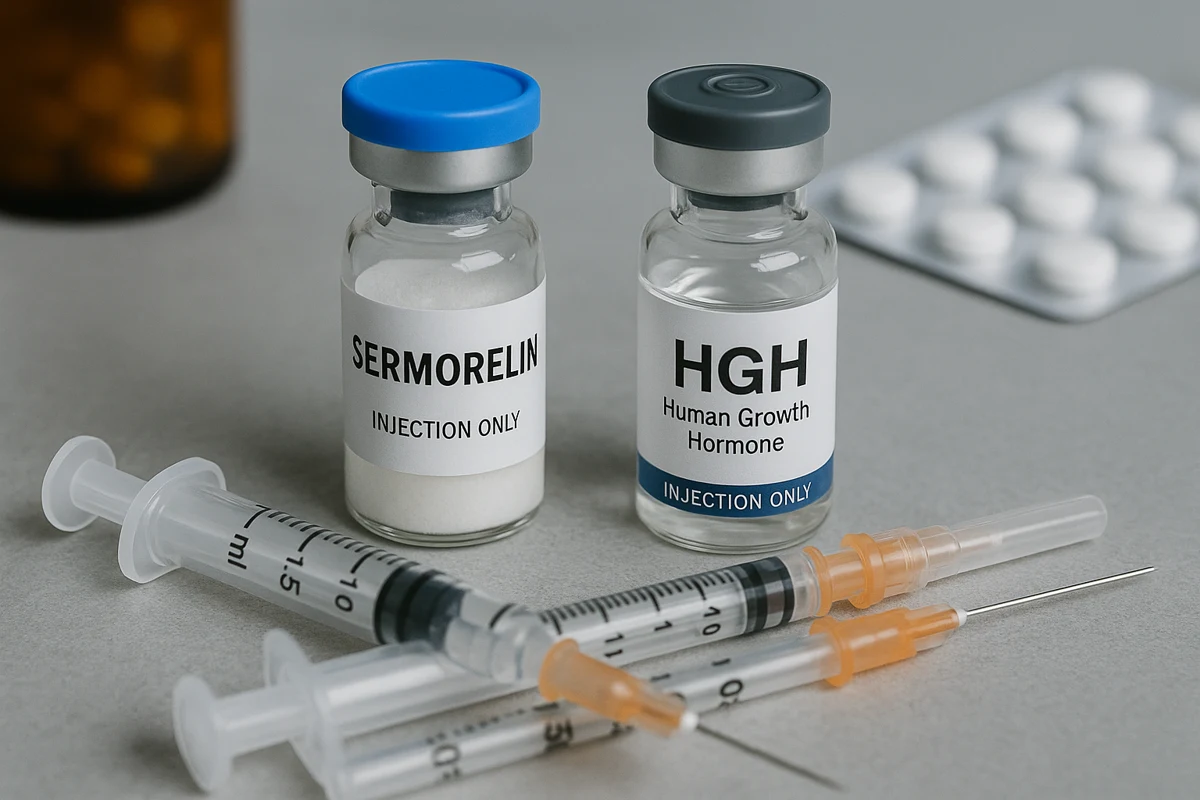
HCG vs. HGH: What Is the Difference?
HCG and HGH are distinct hormones with different functions.
| Feature | HCG | HGH |
|---|---|---|
| Full name | Human Chorionic Gonadotropin | Human Growth Hormone |
| Hormone category | Glycoprotein gonadotropin | Protein growth hormone |
| Primary signaling | LH receptor activation | Growth hormone receptor activation |
| Main physiological role | Reproductive hormone regulation | Growth and metabolism |
| Testosterone stimulation | Can stimulate testicular production | Not a direct testosterone replacement |
| Selected medical applications | Fertility and gonadotropin-related conditions | Growth hormone deficiency and other approved indications |
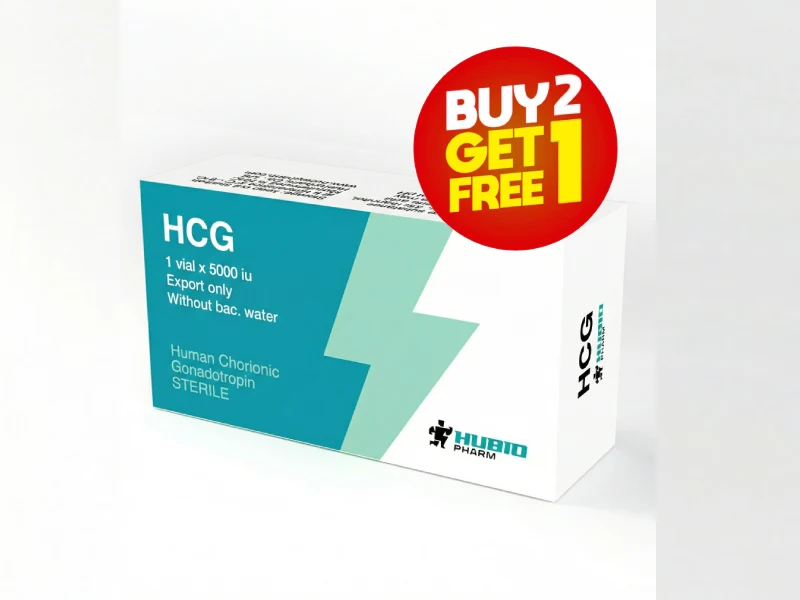
HCG Gonadotropin Injection: Product Forms
Pharmaceutical HCG is available in injectable formulations.
Depending on the manufacturer and market, HCG products may be supplied as lyophilized powder for reconstitution or in other prepared injection presentations.
HCG Powder for Injection
Some HCG products contain freeze-dried hormone powder and a manufacturer-specified diluent.
Preparation requirements, final concentration, and permitted storage periods depend on the exact product.
HCG Injection Presentations
Different products may use vials, prefilled syringes, or other delivery systems.
Administration routes also differ by product. Patients should follow the prescribing clinician's directions and the exact manufacturer Instructions for Use.
Understanding HCG International Units
HCG strength is commonly expressed in international units (IU), which describe biological activity.
The total IU listed on a package should not be confused with an individual administered dose or the concentration of a prepared injection.
Product strength, container quantity, and formulation must be verified using official labeling.
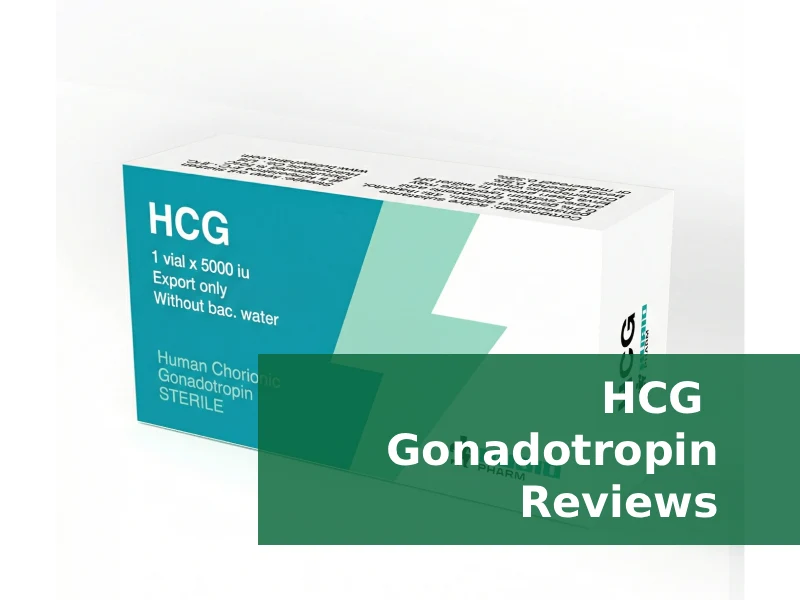
HCG Product Information and Documentation
When comparing HCG products, accurate pharmaceutical information is essential.
Important product characteristics include:
- Product name and manufacturer
- Active ingredient
- Labeled strength in IU
- Vial or injection presentation
- Package contents
- Lot number and expiration date
- Preparation and storage instructions
- Official manufacturer documentation
Packaging photographs or third-party test reports cannot independently confirm that an individual product is authentic, sterile, or suitable for human administration.
HCG Gonadotropin Side Effects and Safety
HCG can cause adverse effects because it influences reproductive hormone production and other physiological processes.
Potential adverse effects include:
- Headaches
- Injection-site reactions
- Fluid retention
- Breast tenderness or gynecomastia in males
- Mood changes
- Hormone-related symptoms
- Allergic reactions
Ovarian Hyperstimulation Syndrome
In female fertility treatment, HCG can contribute to ovarian hyperstimulation syndrome (OHSS), a potentially serious complication associated with excessive ovarian response.
Symptoms may include severe abdominal discomfort, rapid abdominal swelling, vomiting, reduced urination, or breathing difficulties.
Possible OHSS requires prompt medical assessment.
Other Important Risks
Fertility treatments involving HCG may carry risks of multiple pregnancy, ovarian complications, and thromboembolic events in certain circumstances.
HCG is contraindicated in some medical conditions, including particular hormone-dependent tumors and known hypersensitivity to the medication.
Clinical evaluation is essential before beginning treatment.
HCG Storage and Handling
HCG product storage requirements vary depending on formulation, manufacturer, and whether the medication has been reconstituted.
Some products have distinct storage conditions before and after preparation.
Patients should verify:
- Approved storage temperature
- Protection from light when required
- Expiration date
- Storage requirements after reconstitution
- Permitted duration of use after preparation
Instructions for one HCG product should not be automatically applied to a different brand or formulation.
HCG Benefits: Evidence Overview
| Claim or Application | Evidence |
|---|---|
| Testosterone stimulation in responsive males | Established biological effect |
| Selected male hypogonadotropic hypogonadism | Established medical application |
| Selected male fertility treatments | Supported in specialist clinical practice |
| Ovulation triggering | Established fertility treatment application |
| Weight loss | Not supported as an effective obesity treatment |
| Muscle growth in healthy adults | Not established |
| Unsupervised post-steroid hormone recovery | Safety and effectiveness not established |
Frequently Asked Questions About HCG Gonadotropin
What is HCG gonadotropin used for?
HCG is used in selected medical treatments involving male hypogonadotropic hypogonadism, fertility, and ovulation induction. Approved uses vary by pharmaceutical product.
Does HCG increase testosterone?
HCG can stimulate testosterone production in males with responsive testicular tissue by activating luteinizing hormone receptors.
Is HCG the same as testosterone?
No. Testosterone is an androgen hormone, while HCG is a gonadotropin that can stimulate endogenous testosterone production.
Can HCG help male fertility?
HCG may be used in selected cases of male infertility caused by gonadotropin deficiency. Some patients also require additional FSH-based treatment.
Is HCG the same as HGH?
No. HCG primarily influences reproductive hormone signaling, while HGH is involved in growth, metabolism, and tissue regulation.
Does HCG help with bodybuilding?
HCG can influence testosterone production, but there is insufficient evidence supporting unsupervised use for muscle growth or performance enhancement.
Can HCG be used for weight loss?
HCG has not been demonstrated to provide meaningful weight-loss benefits beyond calorie restriction and is not an evidence-based obesity treatment.
What are common HCG side effects?
Possible effects include headaches, injection-site reactions, fluid retention, hormonal symptoms, and allergic reactions. Serious complications can occur during fertility treatment.
Is HCG available as an injection?
Yes. Pharmaceutical HCG is available in injectable formulations, with product-specific preparation, administration, and storage requirements.
Does HCG require refrigeration?
Storage depends on the manufacturer and formulation. Some preparations require refrigeration after reconstitution. Always follow the exact product labeling.
Conclusion: Understanding HCG Gonadotropin
Human chorionic gonadotropin is an important reproductive hormone with established applications in fertility treatment and selected hormone-related medical conditions.
Its ability to activate luteinizing hormone receptors explains its effects on testosterone production, ovulation, and reproductive function.
HCG has clinically established medical uses, but these should be distinguished from unsupported claims involving weight loss, bodybuilding performance, or unsupervised hormone recovery.
Accurate product identification, appropriate medical evaluation, and manufacturer-specific instructions are essential considerations for pharmaceutical HCG therapy.
Official Product Information and References
- DailyMed. Chorionic Gonadotropin for Injection, USP. View prescribing information .
- DailyMed. PREGNYL (Chorionic Gonadotropin) for Injection. View product labeling .
- National Library of Medicine. DailyMed Drug Labeling Database. Search official drug information .
Medical Disclaimer: This content is intended for educational purposes only and does not replace professional medical advice, diagnosis, or treatment instructions. HCG is a prescription hormone medication and requires appropriate medical supervision.