 Best Seller
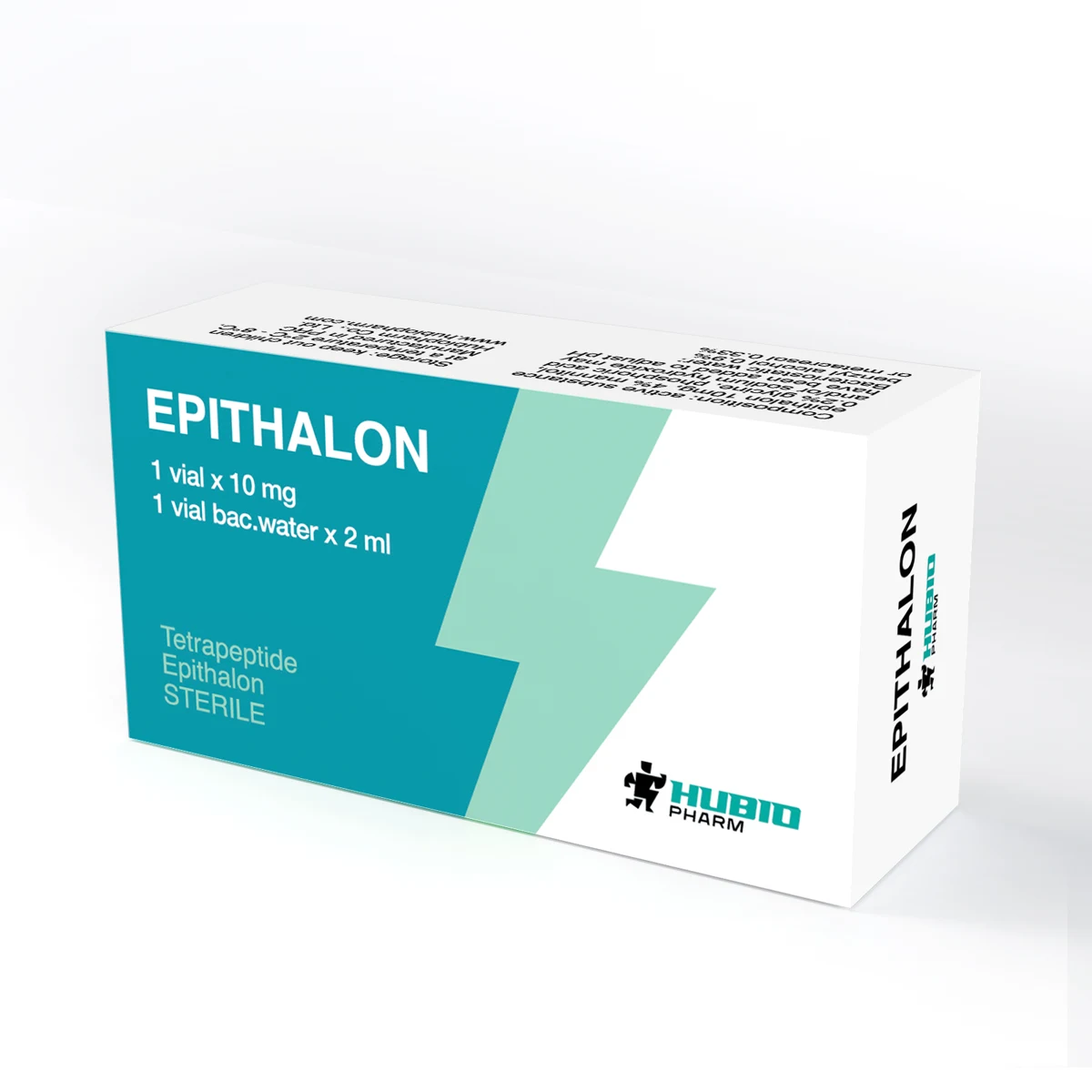
| Product name | Epithalon Peptide 10mg |
|---|---|
| Listed compound | Epithalon |
| Labeled quantity | 10 mg |
| Category | Peptides & Research Compounds |
Peptides catalog
Epithalon Peptide 10mg
$60.00
Limited stock
Epithalon Peptide 10mg, also known as Epitalon, is a synthetic tetrapeptide studied for its potential role in telomere biology, telomerase activity, and cellular aging mechanisms. Featuring the distinctive AEDG amino acid sequence, Epithalon has attracted scientific interest in longevity-related research and cellular signaling. Available in a 10mg presentation for laboratory research.
Epithalon Peptide 10mg: Product Overview
Epithalon Peptide 10mg, also known as Epitalon or the AEDG peptide, is a synthetic tetrapeptide investigated in research involving telomere biology, cellular aging, and telomerase-related signaling pathways. Its compact four-amino-acid structure has attracted scientific attention in experimental studies of cellular function and longevity-associated biological mechanisms.
Epithalon was developed from research associated with pineal-derived peptide preparations. Unlike complex peptide extracts, Epithalon is a chemically defined synthetic compound with the amino acid sequence Ala-Glu-Asp-Gly (AEDG).
The 10mg designation identifies the stated quantity of peptide material in this product listing.
Epithalon 10mg Product Specifications
- Product Name: Epithalon Peptide 10mg
- Alternative Names: Epitalon, Epithalone, AEDG Peptide
- Peptide Type: Synthetic tetrapeptide
- Peptide Sequence: Ala-Glu-Asp-Gly (AEDG)
- CAS Number: 307297-39-8 (free peptide)
- Molecular Formula: C14H22N4O9 (free peptide)
- Molecular Weight: Approximately 390.35 g/mol (free peptide)
- Listed Quantity: 10mg
- Research Category: Cellular Aging and Telomere Research
- Product Category: Research Peptides
These molecular specifications describe Epithalon in its free-peptide form. Acetate preparations have different compositional characteristics. The actual supplied chemical form should be verified through product-specific documentation.
What Is Epithalon (Epitalon) Peptide?
Epithalon is a synthetic peptide consisting of four amino acid residues: alanine, glutamic acid, aspartic acid, and glycine. It was developed following investigations into peptide components associated with pineal-derived biological preparations.
The compound has been examined in experimental models involving cellular lifespan, telomere maintenance, and biological pathways associated with aging.
Epithalon is distinct from Epithalamin, a more complex pineal-derived polypeptide preparation. Although their research histories are connected, findings involving one preparation should not automatically be attributed to the other.
Key Characteristics of Epithalon Peptide
- Defined AEDG Sequence: A synthetic four-amino-acid peptide with a characterized molecular structure.
- Telomere Research: Investigated in experimental studies involving telomere maintenance and cellular division.
- Telomerase Activity: Studied for its effects on telomerase-related processes in selected laboratory cell models.
- Cellular Aging Research: Associated with experimental investigations of cellular lifespan and age-related biological pathways.
- 10mg Presentation: Clearly identified peptide quantity for research documentation.
Epithalon and Telomere Research
Telomeres are protective structures located at the ends of chromosomes. Their length and maintenance are important subjects in research involving cell division, genomic stability, and cellular aging.
Laboratory studies have reported that Epithalon can influence telomerase activity and telomere length in certain human cell cultures. These findings have contributed to scientific interest in the peptide's potential interactions with cellular aging mechanisms.
However, changes observed in experimental cell models do not establish that Epithalon extends human lifespan or produces clinically meaningful anti-aging benefits.
Epithalon Mechanism of Action
Research into Epithalon has focused on several proposed biological mechanisms, including telomerase-related activity, cellular signaling, and pathways associated with aging.
Selected in vitro studies have reported changes in telomerase expression and telomere maintenance following exposure to Epithalon. Additional research has examined potential interactions with circadian and neuroendocrine processes.
The complete molecular mechanism remains incompletely understood, and findings may differ depending on the experimental model and conditions.
Epithalon Peptide Research Background
Epithalon has been investigated in experimental studies involving cellular aging, telomere biology, gene expression, and biological regulation.
Early laboratory investigations reported changes in telomerase activity and the proliferative capacity of cultured human cells. Subsequent research has explored related mechanisms, including oxidative stress, circadian regulation, and cellular signaling.
Although these findings are scientifically relevant, human clinical evidence remains limited. Large, adequately controlled clinical trials have not established Epithalon as an effective treatment for aging or age-related diseases.
Epithalon vs Epithalamin: Key Differences
Epithalon and Epithalamin are related by research history but are not identical substances.
- Epithalon (Epitalon): A chemically defined synthetic tetrapeptide with the sequence Ala-Glu-Asp-Gly.
- Epithalamin: A complex polypeptide preparation historically obtained from pineal tissue.
- Key Difference: Epithalon has a defined four-residue sequence, while Epithalamin is a mixture of peptide components.
Scientific results involving Epithalamin should be distinguished from studies specifically evaluating synthetic Epithalon.
Epithalon 10mg Product Documentation
The Epithalon Peptide 10mg listing identifies a stated quantity of synthetic peptide material. Product evaluation should include review of the original packaging, declared peptide identity, chemical form, and available batch-specific analytical documentation.
Important details include the AEDG amino acid sequence, declared quantity, available purity information, and formulation-specific handling requirements.
General reference characteristics do not establish the purity or identity of an individual supplied batch. Epithalon remains an investigational compound, and its safety and effectiveness for human use have not been established.
Frequently Asked Questions About Epithalon Peptide 10mg
What is Epithalon Peptide 10mg?
Epithalon Peptide 10mg is a product listing for a stated 10mg quantity of Epitalon, a synthetic tetrapeptide investigated in research involving cellular aging and telomere biology.
Is Epithalon the same as Epitalon?
Yes. Epithalon and Epitalon are alternative names for the same synthetic tetrapeptide with the amino acid sequence Ala-Glu-Asp-Gly.
What is the AEDG peptide?
AEDG refers to the four-amino-acid sequence alanine, glutamic acid, aspartic acid, and glycine that defines Epithalon.
What is Epithalon studied for?
Epithalon has been investigated for its effects on telomerase activity, telomere maintenance, cellular signaling, and selected biological mechanisms associated with aging.
Does Epithalon increase telomerase activity?
Some laboratory studies have reported increased telomerase activity in selected cell models. These findings do not establish equivalent effects or clinical benefits in humans.
Is Epithalon proven to extend human lifespan?
No. There is insufficient clinical evidence to establish that Epithalon extends human lifespan or reverses biological aging.
What is the difference between Epithalon and Epithalamin?
Epithalon is a synthetic tetrapeptide with a defined molecular sequence. Epithalamin is a chemically distinct pineal-derived polypeptide preparation.
What does 10mg mean in Epithalon 10mg?
The 10mg designation identifies the stated quantity of peptide material in the product listing. It does not indicate a recommended administration dose.
Related products
Best Seller 
Related guides & information

HGH vs Peptides: Definitions and Compound Families
“HGH versus peptides” is an imprecise comparison because HGH is itself a peptide hormone. In catalogs, “peptides” usually groups many different compounds rather than naming a single alternative to growth hormone.
▤ 2 min read · Read guide →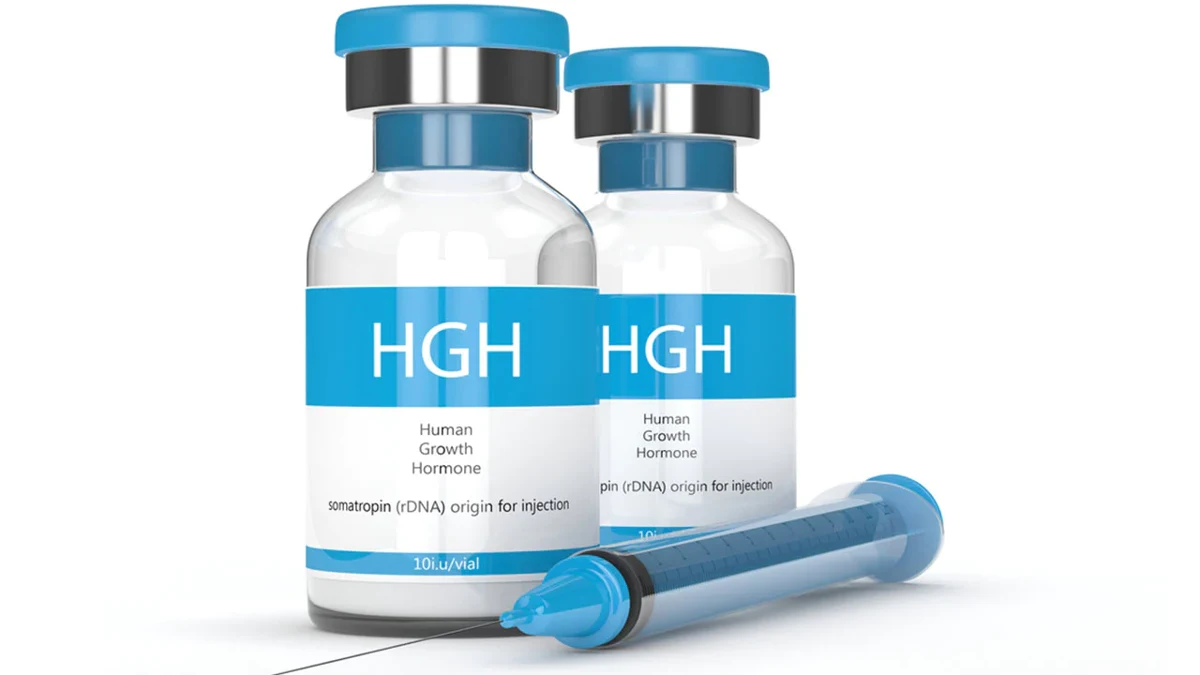
HGH and Peptide Products: A Catalog Comparison Guide
This guide compares how HGH and peptide products are described in the catalog. It focuses on labels, quantities and presentations rather than repeating a general definition of peptide chemistry.
▤ 2 min read · Read guide →