- Introduction – Growth Hormone Biology and Modern Medical Science
- Endocrine Physiology of Growth Regulation
- Molecular Structure and Biochemical Characteristics
- Biological Role in Human Development
- Clinical Medicine Applications
- Diagnostic Testing and Biomarkers
- Metabolic Effects and Energy Regulation
- Aging Biology and Longevity Research
- Risks, Safety, and Medical Ethics
- Sports Medicine and Performance Discussion
- Lifestyle Factors Influencing Natural Hormone Production
- Modern Research Trends (2026 Perspective)
- HGH vs IGF-1 Comparison Summary
- Scientific Consensus Statement
- Frequently Asked Questions (SEO FAQ)
- Conclusion
Introduction – Growth Hormone Biology and Modern Medical Science
The study of human growth regulation remains one of the most important fields in endocrinology and regenerative medicine.
Two molecules dominate scientific discussions regarding growth signaling pathways:
- Human Growth Hormone (HGH)
- Insulin-like Growth Factor 1 (IGF-1)
Although often discussed together, these hormones operate at different biological levels.
The relationship between these molecules is part of the complex endocrine network controlling metabolism, development, cellular repair, and physiological homeostasis.
Modern medical science does not recommend hormone supplementation for healthy individuals without clinical indication. Instead, treatment focuses on correcting verified endocrine deficiencies.
This article provides an advanced scientific overview of HGH and IGF-1, including physiology, clinical research, diagnostic methods, therapeutic considerations, and future directions of endocrinology.
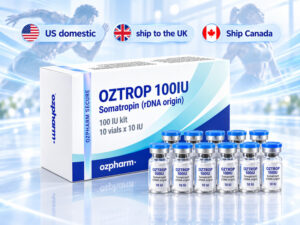
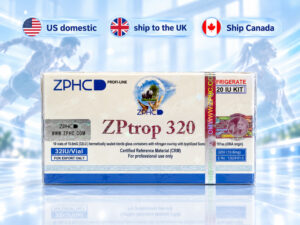
Premium HGH Product – Domestic US Shipping
Explore laboratory-grade peptide technology designed for research and medical monitoring environments. Visit the product card to learn more about dosage specifications, storage conditions, and technical characteristics.
View Product Details →✔ Professional Research Packaging
✔ Secure Checkout System
Endocrine Physiology of Growth Regulation
Human growth is regulated by the hypothalamic-pituitary-liver axis.
The pathway can be simplified:
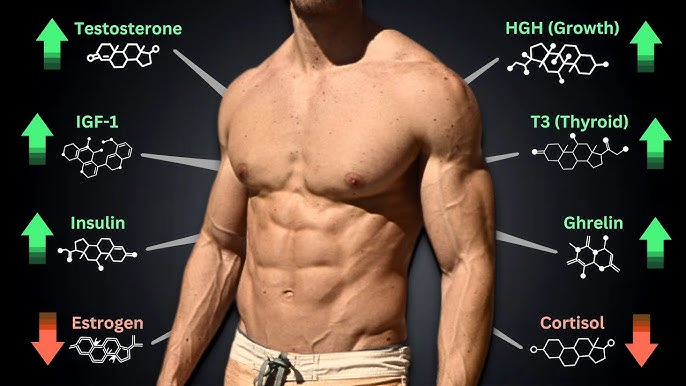
Hypothalamus → Pituitary gland → Release of Human Growth Hormone (HGH) → Liver stimulation → Production of Insulin-like Growth Factor 1 (IGF-1)
This signaling cascade controls:
- Skeletal development
- Muscle tissue maintenance
- Cellular regeneration
- Energy metabolism
- Neuroendocrine function
Growth hormone secretion is pulsatile, meaning it is released in bursts rather than continuously.
The highest secretion levels typically occur during deep sleep stages and after physical stress stimuli.
Molecular Structure and Biochemical Characteristics
Human Growth Hormone Structure
HGH is a peptide hormone consisting of 191 amino acids.
It belongs to the somatotropin family of proteins and interacts with specific cell surface receptors.
HGH itself does not directly cause most tissue growth effects. Instead, it acts as a signaling regulator.
IGF-1 Molecular Function
IGF-1 is a single-chain polypeptide structurally related to insulin.
It plays a central role in mitogenic signaling pathways that regulate:
- Cell cycle progression
- Protein synthesis pathways
- Tissue regeneration mechanisms
IGF-1 binds to specialized receptors triggering intracellular phosphorylation cascades.
Biological Role in Human Development
Growth in Children and Adolescents
During developmental years, the HGH–IGF-1 axis is essential.
Deficiency disorders may result in:
- Reduced linear growth
- Delayed skeletal maturation
- Reduced muscle mass development
Pediatric endocrinology uses hormone replacement therapy only when diagnostic criteria are met.
Adult Metabolic Regulation
In adults, these hormones contribute to:
- Maintenance of lean body composition
- Bone density preservation
- Cellular repair mechanisms
- Lipid metabolism control
Natural hormone decline occurs with aging.
This phenomenon is sometimes called somatopause in scientific literature.
Clinical Medicine Applications
Growth Hormone Deficiency Treatment
Medical HGH therapy is used when patients demonstrate confirmed endocrine dysfunction.
Conditions treated may include:
- Pituitary gland disorders
- Genetic growth hormone deficiency
- Certain wasting syndromes
Treatment requires laboratory monitoring.
IGF-1 Therapeutic Research
Clinical use of IGF-1 remains limited compared to HGH.
Research investigates potential applications in:
- Muscle degenerative diseases
- Tissue healing acceleration
- Metabolic disorders
However, strong clinical consensus requires more randomized trials.
Diagnostic Testing and Biomarkers
Direct measurement of HGH is difficult because secretion is pulsatile.
Therefore, clinicians often measure IGF-1 concentration as a stable indicator.
Diagnostic protocols may include:
- Serum hormone analysis
- Stimulation testing
- Pituitary imaging when necessary
Age-adjusted reference ranges are essential.
Metabolic Effects and Energy Regulation
Protein Synthesis Pathways
Both hormones influence ribosomal translation mechanisms.
This contributes to structural tissue maintenance.
Fat Metabolism
HGH promotes lipolysis.
Lipolysis is the process of converting stored triglycerides into usable energy substrates.
IGF-1 has more insulin-like metabolic characteristics.
Glucose Homeostasis
Hormonal balance is important for blood sugar regulation.
Excessive hormonal exposure may disrupt glucose metabolism.
Aging Biology and Longevity Research
Popular media often claims growth hormones reverse aging.
Scientific evidence is more nuanced.
Current research shows:
- Hormonal decline is a natural aging phenomenon
- Replacement therapy may help deficient patients
- No conclusive evidence supports lifespan extension in healthy individuals
Longevity science focuses more on cellular damage control than hormone amplification.
Risks, Safety, and Medical Ethics
Hormone therapy must follow strict medical supervision.
Potential Risks of HGH Therapy
- Fluid retention
- Joint discomfort
- Metabolic disturbances
- Blood pressure elevation
Rare complications may occur with improper dosing.
Potential Risks of IGF-1 Exposure
Because IGF-1 promotes cellular proliferation, excessive exposure may theoretically increase abnormal tissue growth risk.
Medical monitoring is mandatory.
Sports Medicine and Performance Discussion
Professional sports organizations strictly regulate hormone usage.
Performance enhancement claims are not supported by strong scientific evidence in healthy individuals.
Ethical medical guidelines discourage non-therapeutic hormone use.
Lifestyle Factors Influencing Natural Hormone Production
Natural endocrine function is influenced by:
- Sleep quality
- Nutrition balance
- Exercise intensity
- Stress management
High-intensity physical training may stimulate temporary HGH secretion.
Modern Research Trends (2026 Perspective)
Emerging research fields include:
Regenerative Medicine
Scientists study growth factor signaling for:
- Organ repair
- Neural recovery
- Stem cell modulation
Precision Endocrinology
Future medicine may focus on:
- Individual genetic hormone response
- Targeted pathway modulation
- AI-assisted endocrine diagnostics
HGH vs IGF-1 Comparison Summary
| Feature | HGH | IGF-1 |
|---|---|---|
| Production | Pituitary gland | Liver synthesis |
| Primary Role | Growth signal initiation | Growth execution |
| Blood Stability | Variable | More stable |
| Clinical Testing | Difficult | Common |
| Medical Usage | More frequent | Less frequent |
Scientific Consensus Statement
Current medical consensus emphasizes:
- Hormone therapy only for diagnosed deficiency
- Continuous biochemical monitoring
- Personalized treatment protocols
Self-administration of hormonal agents is medically unsafe.
Frequently Asked Questions (SEO FAQ)
Is HGH better than IGF-1?
Neither hormone is universally superior. They function at different stages of growth signaling.
Can HGH increase muscle mass?
Evidence does not support safe muscle enhancement benefits in healthy individuals.
How is IGF-1 measured?
Through standardized blood laboratory testing.
Does exercise increase HGH?
High-intensity physical activity can temporarily stimulate hormone release.
Are growth hormones dangerous?
Risk depends on medical context, dosage, and supervision.
Conclusion
The biological relationship between Human Growth Hormone (HGH) and Insulin-like Growth Factor 1 (IGF-1) represents one of the core regulatory mechanisms of human physiology.
Modern medicine prioritizes endocrine balance rather than artificial hormone amplification.
Future therapeutic development will likely focus on precision regenerative signaling rather than systemic hormone overexpression.