- Introduction: Why HGH Is Linked to Anti-Aging and Skin Rejuvenation
- What Is HGH and How It Affects Aging
- Natural HGH Decline and Visible Aging
- The Role of HGH in Skin Health
- 1. Collagen Production
- 2. Cellular Regeneration
- 3. Improved Skin Hydration
- 4. Increased Blood Flow
- Visible Anti-Aging Effects Associated With HGH
- HGH and Skin Thickness
- HGH and Hair, Nails, and Skin Quality
- Timeline of HGH Anti-Aging Skin Results
- Weeks 1–4
- Weeks 4–8
- Months 3–4
- Months 4–6
- 6–12 Months
- Scientific Research on HGH and Anti-Aging
- Lifestyle Factors That Improve Anti-Aging Results
- Nutrition
- Sleep
- Exercise
- Stress Management
- Natural Ways to Support HGH for Skin Health
- Potential Risks and Considerations
- Conclusion: HGH and Healthy Aging
- FAQ: HGH Results for Anti-Aging and Skin
- What does HGH do for skin?
- Can HGH reduce wrinkles?
- How long does HGH take to improve skin?
- Does HGH increase collagen?
- Can HGH tighten loose skin?
- Does HGH improve skin hydration?
- Can HGH slow aging?
- Is HGH used in anti-aging medicine?
- Who may benefit from HGH anti-aging therapy?
- Are there natural ways to boost HGH for skin health?
Introduction: Why HGH Is Linked to Anti-Aging and Skin Rejuvenation
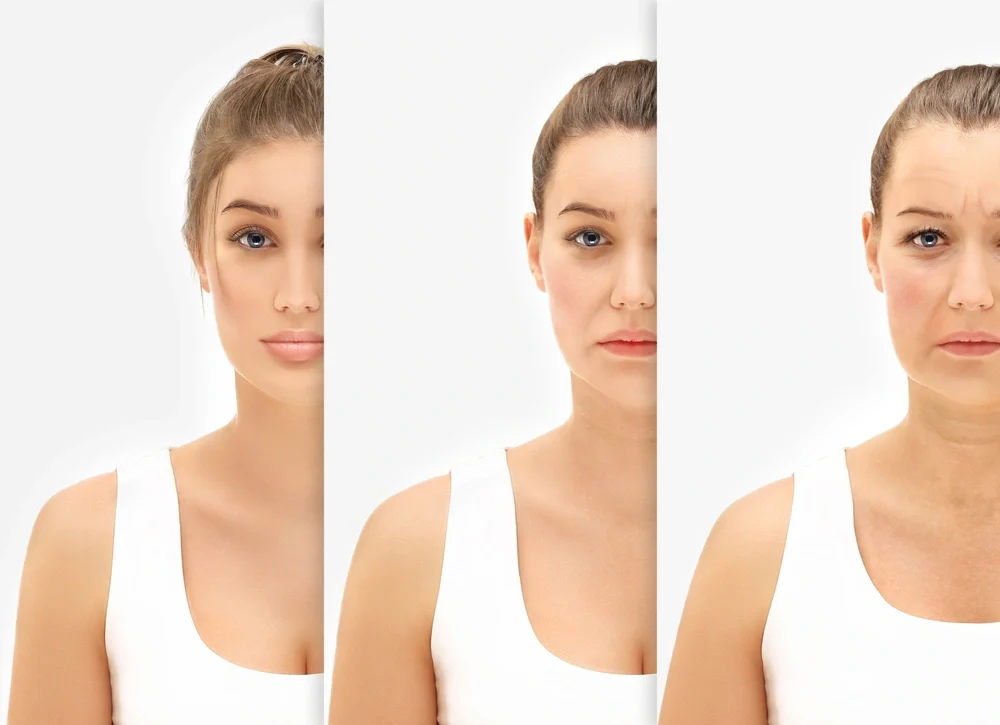
Aging affects every system of the body, but the most visible changes often appear in the skin. Wrinkles, sagging skin, reduced elasticity, and slower tissue repair are all natural consequences of declining hormone levels.
One hormone that has received significant attention in anti-aging medicine is Human Growth Hormone (HGH).
HGH is responsible for:
- Cellular regeneration
- Collagen production
- Tissue repair
- Fat metabolism
- Muscle maintenance
- Skin elasticity
Because of these functions, HGH is frequently discussed in the context of skin rejuvenation, longevity, and age-related body changes.
As natural HGH production declines with age, many people experience:
- Loss of skin firmness
- Increased wrinkles
- Slower healing
- Decreased collagen production
- Reduced muscle tone
- Increased body fat
Modern anti-aging medicine often focuses on restoring optimal hormone levels to support healthy aging.
This comprehensive guide explains:
- How HGH affects skin health
- The connection between HGH and collagen
- Realistic anti-aging results from HGH
- Timeline of skin improvements
- Scientific research behind HGH therapy
The goal is to provide clear, educational insight into how growth hormone influences the aging process and skin quality.
Looking for Premium HGH for Anti-Aging and Body Optimization?
Hygetropin 100IU HGH is one of the most recognized growth hormone products used in advanced anti-aging, fat loss, and muscle recovery protocols. High-quality somatropin may support collagen production, lean muscle development, and improved body composition.
View Hygetropin 100IU HGHExplore detailed product information about Hygetropin 100IU Human Growth Hormone, including benefits for anti-aging therapy, fat metabolism, recovery, and lean muscle support.
What Is HGH and How It Affects Aging
Human Growth Hormone is produced by the pituitary gland, a small endocrine gland located at the base of the brain.
HGH plays a crucial role in:
- Growth and development
- Tissue regeneration
- Metabolism
- Cellular repair
- Immune system function
The hormone also stimulates production of IGF-1 (Insulin-like Growth Factor-1), which mediates many of HGH’s anti-aging effects.
IGF-1 promotes:
- Cell growth
- Skin regeneration
- Collagen synthesis
- Tissue healing
Together, HGH and IGF-1 influence how the body repairs and renews itself.
Natural HGH Decline and Visible Aging
HGH production peaks during adolescence and early adulthood.
After the age of 30, natural growth hormone levels begin to decline gradually.
Typical decline pattern:
| Age | HGH Production |
|---|---|
| 20 years | Peak levels |
| 30 years | Slight decline |
| 40 years | ~50% reduction |
| 60+ years | up to 80% reduction |
This decline contributes to many visible aging symptoms, including:
- Skin thinning
- Reduced elasticity
- Wrinkle formation
- Slower wound healing
- Increased body fat
- Decreased muscle tone
Because HGH influences tissue regeneration, declining levels can significantly affect skin quality and physical appearance.
The Role of HGH in Skin Health
HGH supports skin health through several biological mechanisms.
These processes influence how skin looks, feels, and repairs itself over time.
1. Collagen Production
Collagen is the most abundant structural protein in the skin.
It provides:
- Skin firmness
- Elasticity
- Structural support
As collagen declines with age, the skin begins to:
- Sag
- Develop wrinkles
- Lose smoothness
HGH stimulates fibroblast cells responsible for collagen synthesis.
This increased collagen production can help support:
- Improved skin texture
- Increased elasticity
- Reduced wrinkle depth
2. Cellular Regeneration
Skin constantly renews itself through cell turnover.
HGH accelerates this process by promoting:
- Skin cell regeneration
- Tissue repair
- Replacement of damaged cells
Faster cell turnover can lead to:
- Healthier skin tone
- Improved skin brightness
- Faster healing of minor damage
3. Improved Skin Hydration
Healthy skin requires adequate hydration and structural integrity.
HGH contributes to hydration by supporting:
- Skin barrier function
- Tissue repair
- Collagen matrix stability
This can help skin appear:
- Plumper
- More elastic
- More resilient
4. Increased Blood Flow
HGH influences circulation and tissue oxygenation.
Improved blood flow delivers:
- Nutrients
- Oxygen
- Growth factors
These elements support skin repair and overall skin vitality.
Visible Anti-Aging Effects Associated With HGH
Individuals undergoing hormone optimization therapy often report improvements in several visible areas of aging.
Commonly observed changes include:
Reduced Wrinkle Appearance
Increased collagen and skin regeneration may reduce the appearance of:
- Fine lines
- Wrinkles
- Skin creases
Improved Skin Elasticity
Skin elasticity refers to the skin’s ability to return to its original shape.
Higher collagen levels help support:
- Tighter skin
- Improved firmness
- Reduced sagging
Healthier Skin Texture
Improved cell turnover can lead to:
- Smoother skin
- More even skin tone
- Improved surface texture
Faster Skin Healing
HGH accelerates tissue repair, helping wounds and minor skin damage heal more efficiently.
This is especially important for aging skin, which typically heals slower.
HGH and Skin Thickness
Skin naturally becomes thinner with age.
Thin skin leads to:
- Increased fragility
- Visible veins
- Wrinkling
Research suggests HGH may support dermal thickness, helping maintain stronger skin structure.
This effect is partly due to increased collagen and connective tissue production.
HGH and Hair, Nails, and Skin Quality
HGH influences more than just facial skin.
Because it affects tissue growth and regeneration, HGH can also impact:
Hair
Some individuals report:
- Thicker hair
- Improved hair growth cycles
- Reduced hair thinning
Nails
Growth hormone may help support:
- Stronger nails
- Faster nail growth
- Reduced brittleness
Overall Skin Appearance
The combined effects of improved collagen, hydration, and tissue repair often contribute to:
- Brighter complexion
- Reduced dullness
- Healthier skin tone
Timeline of HGH Anti-Aging Skin Results
Anti-aging improvements from HGH occur gradually.
Unlike cosmetic procedures, hormone therapy works by influencing biological processes that take time.
Weeks 1–4
Early effects may include:
- Better sleep quality
- Increased energy
- Improved recovery
Skin changes are usually minimal during this stage.
Weeks 4–8
Subtle improvements may appear:
- Slightly improved skin hydration
- Increased skin softness
- Early collagen support
Months 3–4
Visible changes may include:
- Improved skin texture
- Slight reduction in fine lines
- Healthier skin tone
Months 4–6
More noticeable improvements:
- Better skin elasticity
- Reduced wrinkle depth
- Increased skin thickness
6–12 Months
Long-term results may include:
- Significant collagen improvement
- Stronger skin structure
- More youthful overall appearance
Hormonal therapies typically require consistent long-term use to produce sustained results.
Scientific Research on HGH and Anti-Aging
Scientific interest in HGH and aging increased significantly in the 1990s.
One widely cited clinical study found that HGH therapy in older adults resulted in:
- Increased lean body mass
- Reduced body fat
- Improved skin thickness
Other research suggests HGH may influence:
- Collagen production
- Tissue regeneration
- Skin repair mechanisms
However, researchers emphasize that hormone therapy should be medically supervised.
Lifestyle Factors That Improve Anti-Aging Results
HGH therapy alone cannot fully reverse aging.
Healthy lifestyle habits significantly enhance results.
Nutrition
Skin health depends heavily on nutrients.
Important nutrients include:
- Protein
- Vitamin C
- Zinc
- Omega-3 fatty acids
These support collagen production and skin repair.
Sleep
Most natural HGH release occurs during deep sleep.
Poor sleep reduces hormone production and slows tissue repair.
Maintaining high-quality sleep supports skin health and recovery.
Exercise
Resistance training and high-intensity exercise can stimulate natural growth hormone release.
Exercise also improves circulation, delivering nutrients to skin tissue.
Stress Management
Chronic stress increases cortisol levels, which can accelerate skin aging.
Managing stress supports hormonal balance and skin health.
Natural Ways to Support HGH for Skin Health
Individuals not using medical HGH therapy can still support growth hormone production naturally.
Helpful strategies include:
- High-intensity interval training
- Intermittent fasting
- Strength training
- Adequate sleep
- Reduced sugar intake
These methods can modestly increase natural HGH levels.
Potential Risks and Considerations
Although HGH has potential anti-aging benefits, improper use may lead to side effects.
Possible effects include:
- Water retention
- Joint stiffness
- Temporary insulin resistance
- Carpal tunnel symptoms
Medical supervision is recommended for anyone considering hormone therapy.
Conclusion: HGH and Healthy Aging
Human Growth Hormone plays a vital role in maintaining youthful tissue function.
By supporting collagen production, cellular regeneration, and tissue repair, HGH influences many biological processes associated with aging.
Potential benefits related to skin and anti-aging include:
- Improved skin elasticity
- Reduced wrinkle appearance
- Healthier skin texture
- Faster tissue repair
- Improved overall skin vitality
However, sustainable anti-aging results depend on a holistic approach that includes:
- Proper nutrition
- Exercise
- Sleep optimization
- Medical guidance when necessary
Understanding the biological role of HGH helps individuals make informed decisions about hormone health and aging strategies.
Explore Weight Loss Results, HGH Products & Peptide Reviews
Check out real results, top-quality HGH options, and reviews of popular peptides to optimize your weight loss and performance goals.
See real-world results of Ozempic and understand its impact on weight loss over 6 weeks.
HGH USA Domestic ProductsBrowse high-quality HGH products with fast shipping from verified USA suppliers.
Semaglutide Peptide ReviewsRead detailed reviews of Semaglutide peptides and discover their effectiveness for weight management.
📌 Combining real results, trusted HGH sources, and peptide insights helps you make informed decisions for fat loss and performance optimization.
FAQ: HGH Results for Anti-Aging and Skin
What does HGH do for skin?
HGH supports skin health by stimulating collagen production, improving cellular regeneration, and enhancing tissue repair. These processes help maintain skin elasticity, hydration, and structural strength.
Can HGH reduce wrinkles?
HGH may help reduce the appearance of wrinkles by increasing collagen synthesis and improving skin elasticity. Over time, this can make fine lines less visible and improve skin texture.
How long does HGH take to improve skin?
Visible skin improvements may begin within 3–4 months of consistent therapy. Significant improvements in collagen and skin structure often occur after 6–12 months.
Does HGH increase collagen?
Yes. HGH stimulates fibroblast activity, which increases collagen production in the skin. Collagen is essential for maintaining skin firmness and reducing wrinkles.
Can HGH tighten loose skin?
HGH may improve skin elasticity and thickness, which can help reduce mild skin sagging. However, results vary depending on age, genetics, and lifestyle factors.
Does HGH improve skin hydration?
Growth hormone supports skin hydration by improving tissue repair and strengthening the skin barrier. Hydrated skin tends to appear smoother and healthier.
Can HGH slow aging?
HGH influences several biological processes associated with aging, including tissue repair, metabolism, and collagen production. While it cannot completely stop aging, it may help support healthier aging.
Is HGH used in anti-aging medicine?
Some medical professionals use HGH therapy in carefully monitored hormone optimization programs designed to address hormone deficiencies associated with aging.
Who may benefit from HGH anti-aging therapy?
Adults with clinically low growth hormone levels, individuals experiencing age-related hormonal decline, and those seeking improved recovery and metabolic health may benefit from medical evaluation.
Are there natural ways to boost HGH for skin health?
Yes. High-intensity exercise, quality sleep, proper nutrition, intermittent fasting, and maintaining a healthy weight can help support natural growth hormone production.
For extended HGH and peptide education:
👉 Browse complete HGH article collection