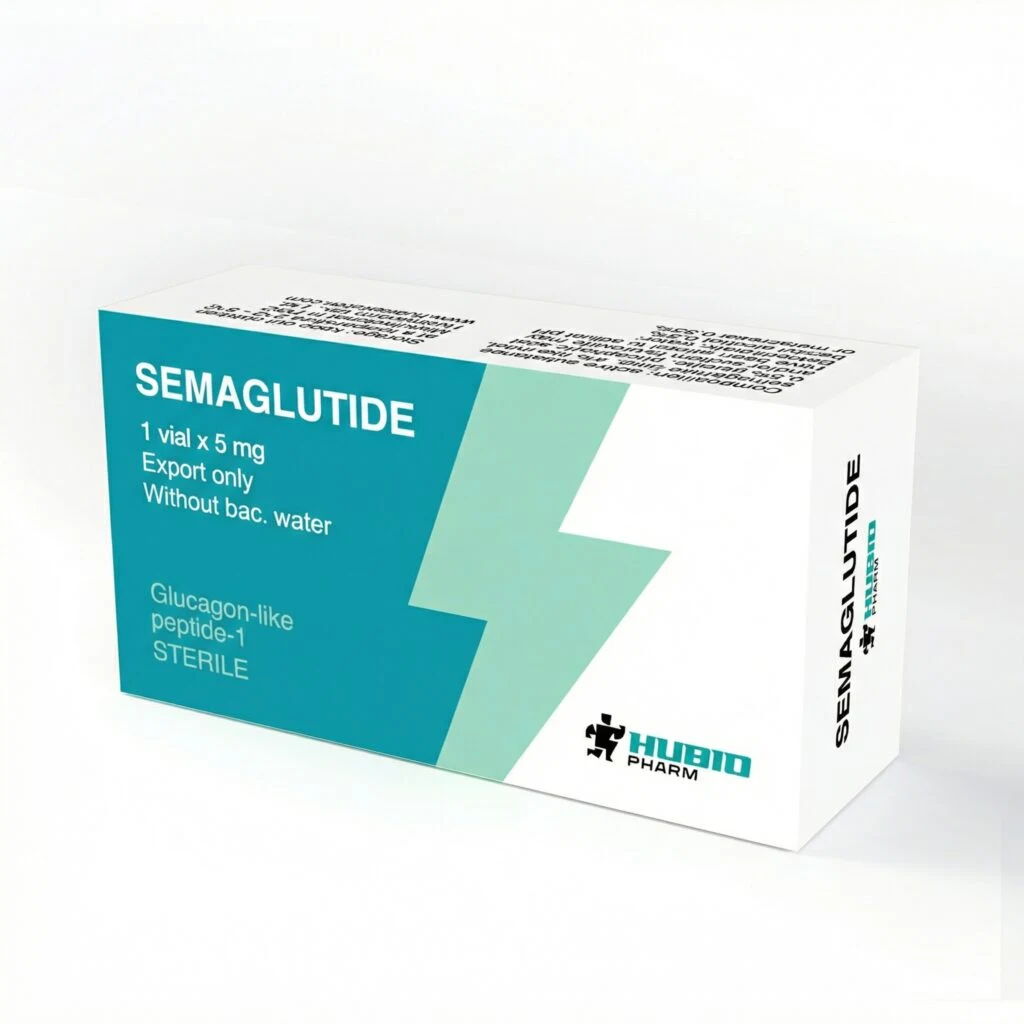
Semaglutide Peptide Reviews: Real Experiences, Results and Scientific Evidence
Semaglutide peptide reviews have attracted significant attention among people researching weight management, appetite regulation, and GLP-1 medications. Online discussions describe experiences involving reduced hunger, changes in eating habits, weight loss, and gastrointestinal side effects.
However, not all products described as semaglutide are equivalent. FDA-approved medications have undergone clinical evaluation and manufacturing quality review, while products advertised as research peptides may not have the same verified identity, formulation, or quality standards.
This article examines common themes in semaglutide reviews, published weight loss results, frequently reported side effects, and the differences between personal testimonials and clinical evidence.
What Is Semaglutide Peptide?
Semaglutide is a synthetic peptide-based medication that acts as a glucagon-like peptide-1 (GLP-1) receptor agonist.
GLP-1 is a naturally occurring hormone involved in appetite regulation, glucose metabolism, and digestive function.
Semaglutide activates GLP-1 receptors and influences several biological processes, including:
- Appetite and hunger signaling
- Feelings of fullness after eating
- Glucose-dependent insulin secretion
- Glucagon regulation
- Gastric emptying
- Body weight regulation
Approved semaglutide medications are used for specific medical indications, including type 2 diabetes and chronic weight management, depending on the product and applicable labeling.
Semaglutide Reviews: What Do Users Commonly Report?
Patient experiences with semaglutide vary considerably. Online testimonials often focus on appetite suppression, eating habits, weight changes, gastrointestinal symptoms, and treatment tolerability.
These themes should be interpreted as general categories of reported experience rather than verified reviews of any particular peptide vial or manufacturer.
Positive Semaglutide Reviews
Favorable patient accounts frequently describe:
- Reduced hunger between meals
- Earlier feelings of fullness
- Reduced interest in large meals
- Changes in food cravings
- Gradual weight reduction
- Improved ability to follow a structured eating plan
These experiences are consistent with some known pharmacological effects of semaglutide, but individual testimonials cannot establish the effectiveness of a specific product.
Negative Semaglutide Reviews
Less favorable experiences frequently involve gastrointestinal symptoms or difficulty tolerating treatment.
Commonly discussed complaints include:
- Nausea
- Vomiting
- Constipation
- Diarrhea
- Abdominal discomfort
- Reduced appetite that interferes with eating adequately
- Fatigue
Some patients also describe slower-than-expected weight loss or difficulty maintaining results after treatment discontinuation.
Mixed Semaglutide Experiences
Not every patient experiences the same degree of appetite reduction or weight loss.
Factors influencing individual outcomes may include underlying medical conditions, treatment adherence, nutritional patterns, physical activity, other medications, and biological differences.
Online reviews rarely control for all of these variables.
Semaglutide Weight Loss Reviews: What Does Research Show?
Weight management is one of the most frequently discussed subjects in semaglutide reviews.
Unlike many experimental peptides, semaglutide has substantial evidence from randomized clinical trials using defined pharmaceutical formulations.
STEP 1 Clinical Trial Results
The STEP 1 clinical trial evaluated once-weekly semaglutide 2.4 mg alongside lifestyle intervention in adults with overweight or obesity who did not have diabetes.
The study included 1,961 participants and followed treatment outcomes over 68 weeks.
Average body weight changes were:
- Semaglutide group: 14.9% reduction in body weight
- Placebo group: 2.4% reduction in body weight
These results demonstrate the effectiveness of the studied medication regimen under clinical trial conditions.
They do not establish that every patient will achieve the same result or that unapproved research peptide products will have equivalent effects.
Individual Weight Loss Results
Weight loss responses varied substantially between participants.
Some experienced greater reductions, while others achieved more modest changes.
Published averages should therefore be understood as group-level outcomes rather than predictions for individual patients.
Semaglutide Reviews and Appetite Suppression
Reduced appetite is a frequently reported effect of semaglutide treatment.
GLP-1 receptor activation influences appetite-related signaling and feelings of fullness.
Reduced Hunger
Some patients describe feeling less hungry throughout the day or becoming satisfied with smaller portions.
These subjective experiences are consistent with semaglutide's established effects on appetite regulation.
Changes in Food Cravings
Patient discussions may describe reduced interest in certain foods or changes in eating behavior.
However, the extent of these changes differs between individuals, and personal accounts should not be interpreted as guaranteed outcomes.
Eating and Nutritional Considerations
Reduced food intake can create nutritional challenges if patients struggle to consume adequate protein, energy, fluids, or other essential nutrients.
Appropriate nutritional assessment may be important during medically supervised weight management.
Semaglutide Before and After Reviews
Before-and-after photographs and personal progress reports are common in online semaglutide discussions.
These posts may illustrate individual weight changes but do not provide the same evidence as controlled clinical research.
Several factors can influence apparent results:
- Starting body weight
- Changes in diet and physical activity
- Duration of treatment
- Concurrent medications
- Changes in hydration
- Differences in photographic conditions
- Selective reporting of successful experiences
Before-and-after images cannot establish the identity, quality, or effectiveness of a particular semaglutide peptide product.
Semaglutide Reviews: Side Effects and Tolerability
Semaglutide has a well-characterized adverse-effect profile based on clinical trials and postmarketing safety monitoring of approved medications.
Common Gastrointestinal Side Effects
The most commonly reported adverse effects include nausea, diarrhea, vomiting, constipation, and abdominal discomfort.
In weight-management trials of injectable Wegovy 2.4 mg, gastrointestinal adverse reactions were more common among semaglutide recipients than placebo recipients.
These symptoms were particularly frequent during treatment escalation.
Other Reported Side Effects
Additional reported reactions include fatigue, headache, dizziness, indigestion, and abdominal bloating.
Adverse reactions can vary in severity and may require clinical assessment or changes to a prescribed treatment plan.
Serious Safety Considerations
Approved semaglutide products carry important warnings and precautions, including those concerning pancreatitis, gallbladder disease, dehydration-related kidney injury, and severe gastrointestinal reactions.
Semaglutide products also carry a boxed warning concerning thyroid C-cell tumors observed in rodents. They are contraindicated in patients with a personal or family history of medullary thyroid carcinoma or Multiple Endocrine Neoplasia syndrome type 2.
Patients experiencing severe or persistent symptoms should seek medical evaluation.
Approved Semaglutide vs. Research Peptide Products
One of the most important distinctions in evaluating semaglutide peptide reviews is the difference between an approved pharmaceutical medication and a product advertised for laboratory research.
Approved Semaglutide Medications
Approved medications such as Ozempic and Wegovy have undergone regulatory review for their respective indications, formulations, manufacturing quality, and safety information.
Their clinical trial results are specific to the studied products and treatment regimens.
Semaglutide Research Peptide Vials
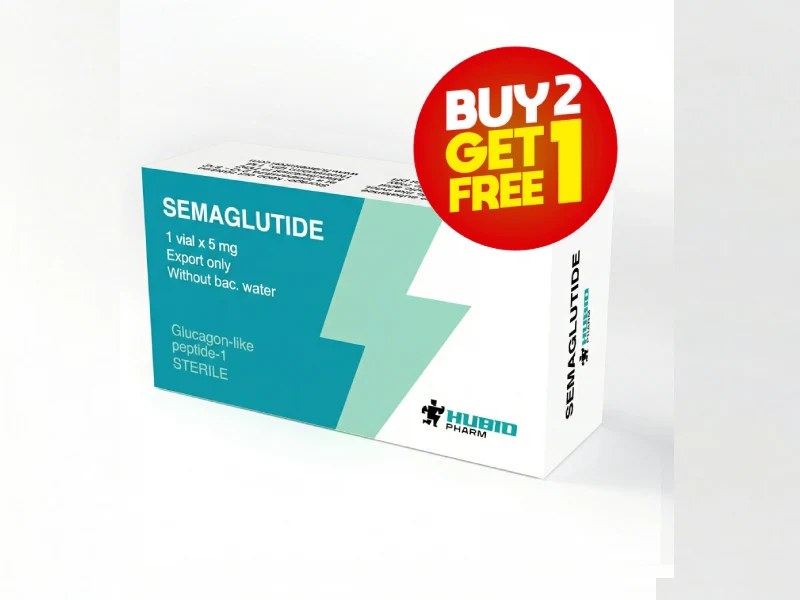
Products advertised as Semaglutide Peptide 5mg or similar research formulations may be presented as powder in vials.
The stated amount on a vial describes its claimed total content, not a clinically validated administered dose.
Such listings should not be assumed to contain the same pharmaceutical formulation, quality, sterility, or verified potency as an approved medication.
Why Clinical Trial Results Cannot Be Transferred Automatically
Clinical trials evaluate specific pharmaceutical products with defined formulations, manufacturing controls, and treatment protocols.
Therefore, findings from approved semaglutide medications cannot automatically establish the safety or effectiveness of an independently marketed research peptide.
Semaglutide Reviews: Claims vs. Clinical Evidence
| Common Review Claim | Scientific Evidence |
|---|---|
| Reduced appetite | Supported for approved semaglutide medications |
| Weight loss | Supported by randomized clinical trials |
| Improved glucose regulation | Established for approved formulations in appropriate patients |
| Reduced food cravings | Reported by patients; individual responses vary |
| Gastrointestinal side effects | Well documented in clinical studies |
| Identical results from research peptide vials | Not established |
| Guaranteed long-term weight maintenance | Not established |
| Safety of unverified peptide products | Not established |
Semaglutide Peptide Product Reviews: Quality and Documentation
Reviews of research peptide products often focus on packaging, listed quantity, delivery, and laboratory documentation.
However, feedback concerning packaging or customer service should not be confused with independent evidence of pharmaceutical quality.
Product Identity
A product description should accurately identify the claimed peptide, manufacturer or supplier, and nominal quantity.
Batch Documentation
Some products are accompanied by analytical reports or Certificates of Analysis.
Such documents should be assessed for sample identity, testing methods, laboratory details, and the relationship between the tested material and the supplied batch.
Purity and Identity Testing
Peptide purity is only one element of pharmaceutical quality.
A purity percentage alone cannot establish correct biological activity, sterility, safe formulation, or suitability for human administration.
Storage Information
Storage requirements depend on the specific formulation.
Instructions for approved semaglutide products should not be automatically applied to unapproved powder preparations or other research materials.
How Reliable Are Online Semaglutide Reviews?
Online reviews can describe personal experiences but have several important limitations.
Common issues include:
- Selection bias toward unusually positive or negative results
- Limited medical history
- Unverified treatment details
- Concurrent changes in diet or exercise
- Unconfirmed product identity
- Missing information about adverse effects
- Potential promotional or sponsored content
When evaluating reviews, distinguish between an individual observation, a documented adverse event, and an outcome demonstrated in a controlled clinical trial.
Semaglutide vs. Other Weight Management Peptides
Semaglutide is sometimes compared with other compounds discussed in metabolic health and weight management.
For example, tirzepatide acts on both GIP and GLP-1 receptors, whereas semaglutide is a GLP-1 receptor agonist.
These medications have distinct clinical research programs, formulations, and approved indications.
Results from one medication should not automatically be applied to another compound or to unapproved peptide products.
Frequently Asked Questions About Semaglutide Peptide Reviews
Does semaglutide really work for weight loss?
Yes. Randomized clinical trials have demonstrated meaningful average weight reduction with approved semaglutide medications in eligible patients. Individual outcomes vary.
What do semaglutide reviews commonly report?
Common themes include reduced appetite, changes in eating habits, weight loss, nausea, constipation, diarrhea, and differences in individual treatment response.
How much weight can people lose with semaglutide?
In the STEP 1 trial, the semaglutide 2.4 mg group experienced an average body weight reduction of 14.9% over 68 weeks, compared with 2.4% for placebo. These are study averages, not guaranteed individual results.
What are the most common semaglutide side effects?
Common adverse effects include nausea, vomiting, diarrhea, constipation, and abdominal discomfort.
Are semaglutide peptide vials the same as Ozempic?
No. A research peptide vial labeled as semaglutide cannot be assumed equivalent to Ozempic or another approved medication in formulation, manufacturing quality, sterility, or clinical performance.
Are Semaglutide Peptide 5mg reviews reliable?
Individual product reviews may describe packaging or customer experiences, but they do not independently verify peptide identity, purity, potency, or human-use safety.
Does semaglutide reduce hunger?
Semaglutide activates GLP-1 receptors involved in appetite signaling and can reduce hunger and increase feelings of fullness.
Does semaglutide cause nausea?
Yes. Nausea is one of the most commonly reported adverse effects in clinical trials of approved semaglutide medications.
Can weight return after stopping semaglutide?
Weight regain has been observed after discontinuation in clinical research. Long-term weight management may require ongoing medical care and lifestyle support.
Can a Certificate of Analysis confirm semaglutide safety?
No. A Certificate of Analysis may provide specific laboratory findings, but it does not by itself establish pharmaceutical quality, sterility, clinical effectiveness, or suitability for human use.
Conclusion: What Do Semaglutide Peptide Reviews Tell Us?
Semaglutide peptide reviews reflect substantial interest in GLP-1 medications, appetite regulation, and weight management.
Clinical trials provide strong evidence that approved semaglutide medications can produce meaningful weight reduction in appropriately selected patients.
However, individual experiences vary, and gastrointestinal adverse effects are common.
The most important distinction is between evidence supporting approved pharmaceutical semaglutide and unverified claims concerning independently marketed research peptide products.
For accurate evaluation, readers should prioritize clinical trial data, official medication information, verified product documentation, and qualified medical advice over anonymous testimonials or promotional claims.
Scientific References and Official Resources
- Wilding JPH, et al. (2021). Once-Weekly Semaglutide in Adults with Overweight or Obesity. New England Journal of Medicine. Read clinical trial.
- U.S. National Library of Medicine. WEGOVY (semaglutide) Prescribing Information. View official labeling.
- U.S. National Library of Medicine. OZEMPIC (semaglutide) Prescribing Information. View medication information.
- U.S. Food and Drug Administration. FDA's Concerns with Unapproved GLP-1 Drugs Used for Weight Loss. Read official safety information.
Medical Disclaimer: This article is for educational and informational purposes only. It does not constitute medical advice or endorse the use of unapproved semaglutide products. Treatment decisions should be made with a qualified healthcare professional.