Somatropin Benefits: What Does Human Growth Hormone Do?
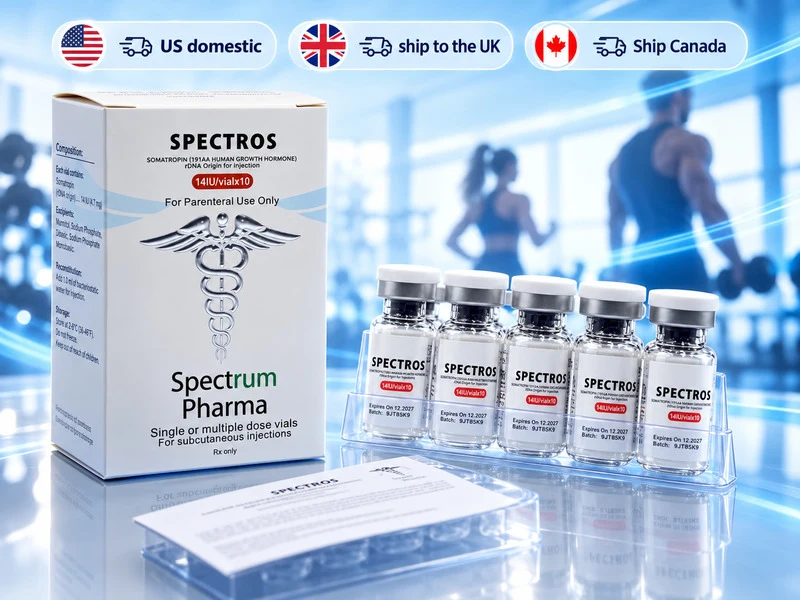
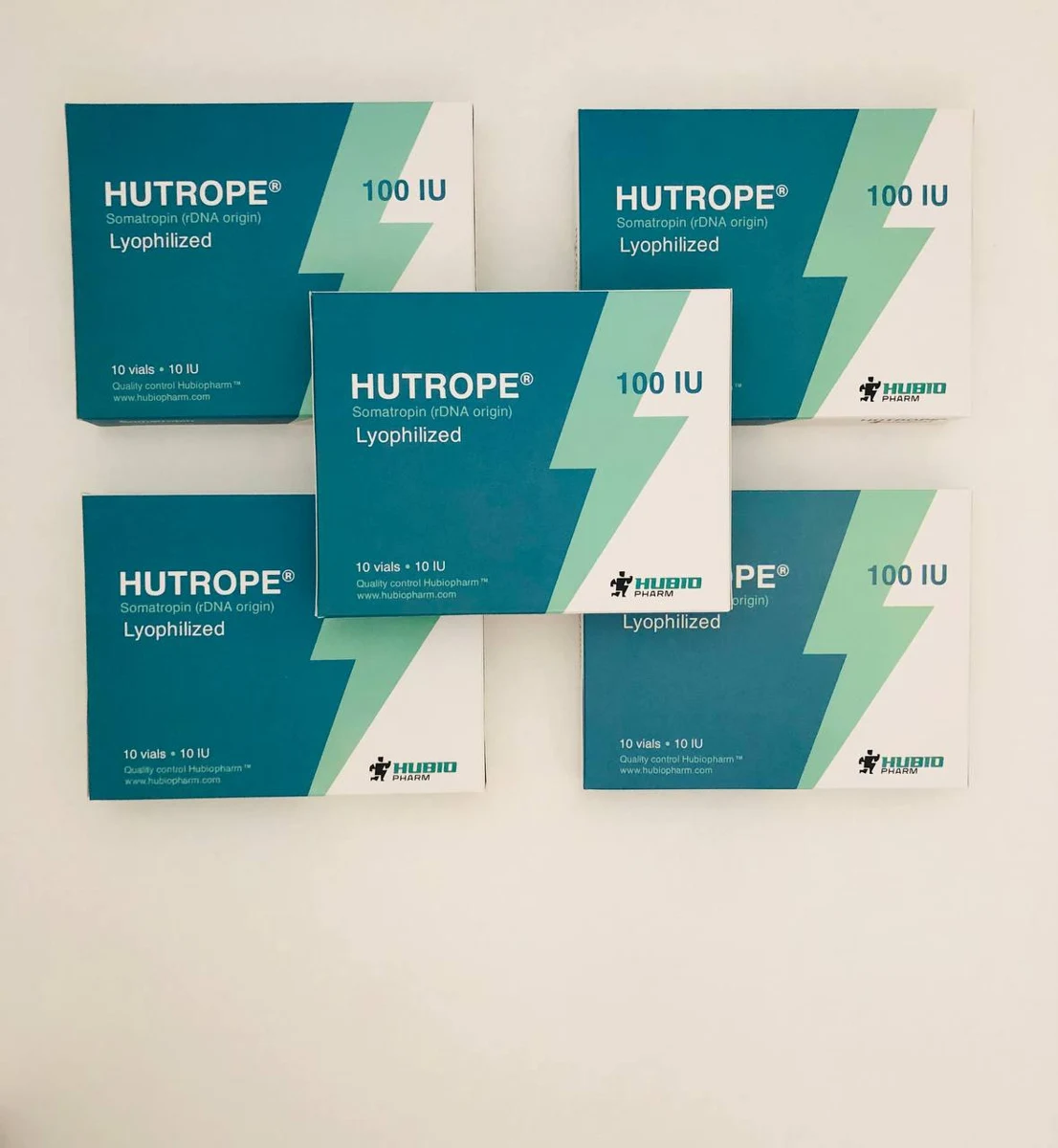
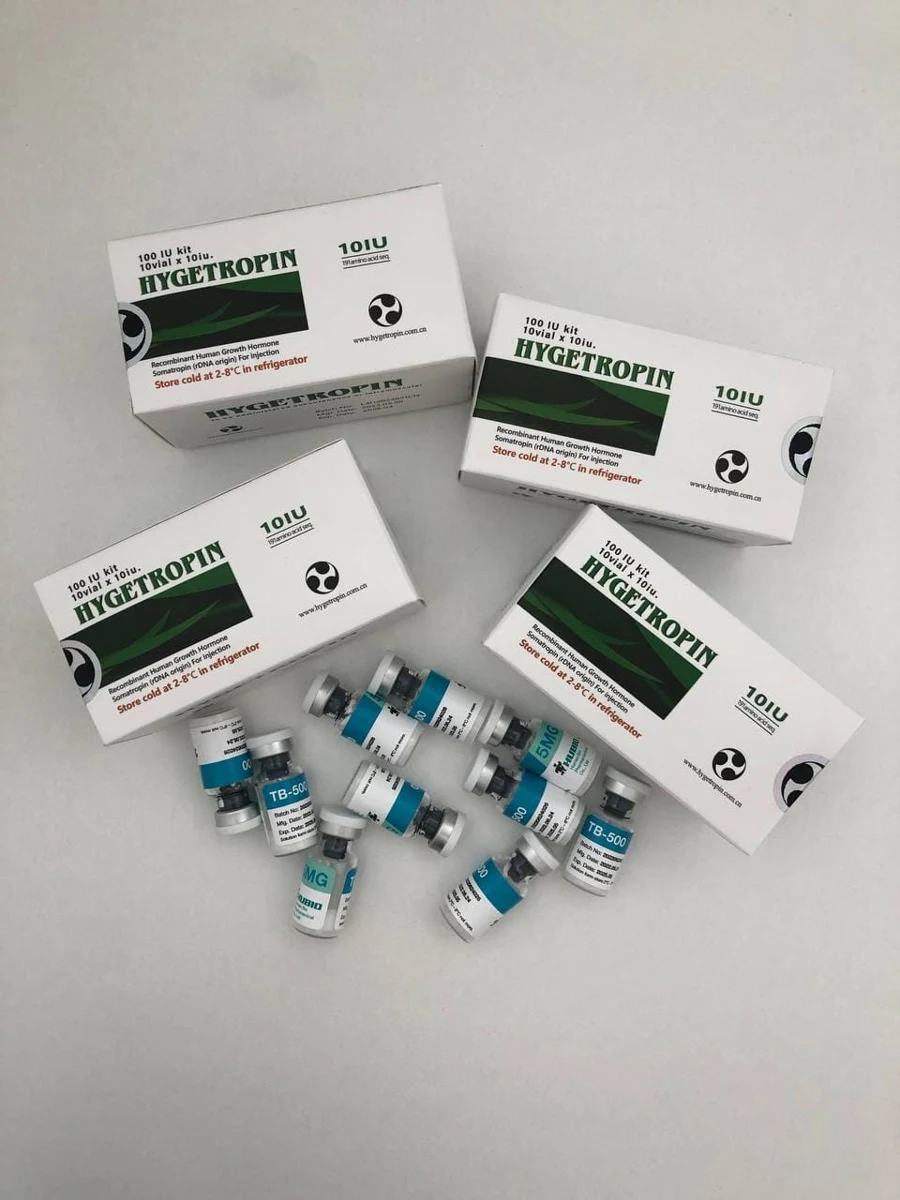
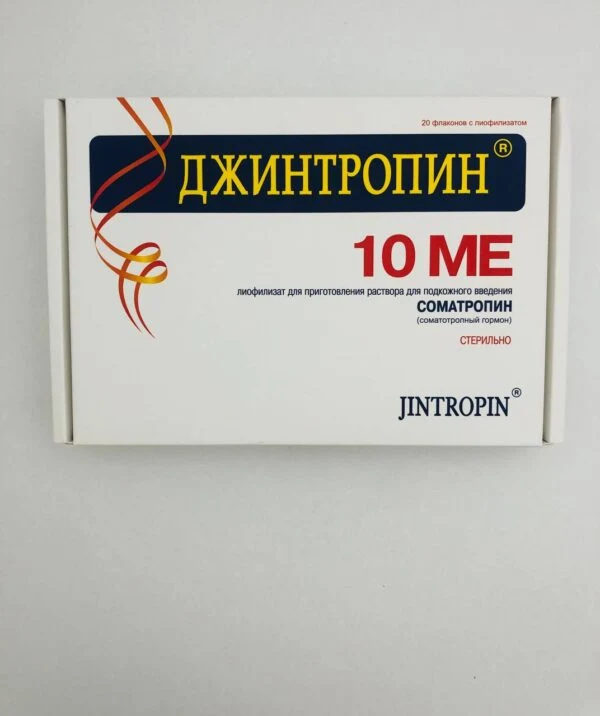
Somatropin benefits are associated with the biological functions of human growth hormone (HGH), including growth, body composition, metabolism, and tissue maintenance. Somatropin is a recombinant form of HGH used to treat certain medical conditions involving growth hormone deficiency.
Clinical research has identified several important benefits of somatropin therapy, particularly in people with confirmed growth hormone deficiency. These include improvements in lean body mass, fat distribution, bone health, physical function, and some measures of quality of life.
However, the effects of somatropin vary depending on age, hormone status, medical conditions, and treatment goals. Benefits documented in growth hormone-deficient patients should not automatically be expected in healthy adults.
What Is Somatropin?
Somatropin is a laboratory-produced version of human growth hormone that closely reproduces the activity of the natural hormone released by the pituitary gland.
Growth hormone influences several physiological processes:
- Growth and development
- Protein metabolism and tissue maintenance
- Fat metabolism and body composition
- Insulin-like growth factor 1 (IGF-1) production
- Bone metabolism
- Normal physical function
Somatropin is administered under medical supervision for specific indications. Its therapeutic effects depend on the condition being treated.
Main Benefits of Somatropin
1. Improved Lean Body Mass
One of the most studied somatropin benefits is its effect on lean body mass.
Adults with growth hormone deficiency may have reduced lean tissue compared with people who have normal growth hormone production.
Clinical studies have demonstrated that growth hormone replacement therapy can increase measured lean body mass in appropriately selected patients.
However, lean body mass includes water, organs, connective tissue, and muscle. Therefore, an increase in lean mass does not necessarily represent an equivalent increase in skeletal muscle fibers.
2. Changes in Fat Metabolism
Growth hormone has important effects on lipid metabolism and fat mobilization.
Somatropin can increase lipolysis, a biological process through which stored fats are broken down and released for energy use.
Studies involving adults with growth hormone deficiency have reported reductions in total and visceral fat during replacement therapy.
These effects contribute to improvements in body composition in some patients, although somatropin is not a general-purpose weight-loss treatment.
3. Support for Bone Health
Growth hormone and IGF-1 participate in bone metabolism and skeletal maintenance.
Adults with untreated growth hormone deficiency may experience reduced bone mineral density and altered bone turnover.
Long-term somatropin replacement may improve bone mineral density in appropriately selected patients.
Bone responses can take time, and improvements in laboratory or imaging measurements do not automatically establish a reduction in fracture risk.
4. Improved Exercise Capacity in Growth Hormone Deficiency
Another clinically recognized somatropin benefit is improved exercise capacity in some adults with confirmed growth hormone deficiency.
Growth hormone deficiency can be associated with reduced physical performance, lower exercise tolerance, and changes in body composition.
Medical guidelines recognize that appropriate growth hormone replacement may improve physical capacity in these patients.
However, studies in healthy athletes have not consistently demonstrated improvements in muscular strength or aerobic endurance from additional growth hormone administration.
5. Quality of Life and Physical Well-Being
Some adults with growth hormone deficiency experience reduced vitality, lower energy levels, and impaired quality of life.
Clinical studies have reported improvements in certain patient-reported quality-of-life measures following medically indicated growth hormone replacement.
The degree of improvement differs between individuals, and not every patient experiences the same response.
6. Growth and Development in Children
Somatropin is used to treat growth failure associated with certain pediatric medical conditions.
Growth hormone plays a central role in normal childhood growth, particularly through its interaction with IGF-1.
In children with diagnosed growth hormone deficiency, appropriate somatropin therapy can improve growth velocity and support height development.
Treatment effectiveness depends on the underlying diagnosis, age, skeletal maturity, and other clinical factors.
7. Tissue Metabolism and Maintenance
Growth hormone influences protein turnover and several processes involved in tissue maintenance.
Research has examined its effects on collagen metabolism, connective tissue, and other biological pathways.
However, these physiological effects should not be confused with proven clinical benefits for sports injury recovery, accelerated healing, or athletic rehabilitation in otherwise healthy individuals.
Somatropin Benefits for Muscle Growth
Somatropin is frequently discussed in connection with muscle development because growth hormone and IGF-1 influence tissue metabolism.
Clinical research indicates that somatropin can increase measured lean body mass, especially in patients with growth hormone deficiency.
Nevertheless, studies in healthy adults have not consistently demonstrated significant improvements in functional muscle strength.
For this reason, the potential effects of somatropin on body composition should be distinguished from proven increases in skeletal muscle hypertrophy.
Somatropin and Body Composition
Body composition refers to the proportions of fat mass, lean tissue, and other components of total body weight.
Growth hormone replacement can influence body composition through several mechanisms, including changes in lipid metabolism and lean tissue measurements.
Research involving adults with growth hormone deficiency has identified reductions in fat mass and increases in lean body mass during appropriate treatment.
However, individual outcomes vary, and improvements seen during medical replacement therapy should not be assumed to occur in people without hormone deficiency.
Somatropin vs. HGH: Is There a Difference?
Human growth hormone (HGH) is the hormone naturally produced by the pituitary gland.
Somatropin is a recombinant pharmaceutical version of human growth hormone.
Both interact with growth hormone receptors and influence biological pathways involved in growth and metabolism.
When researching HGH benefits and somatropin benefits, the most important distinction is often not the hormone itself but the clinical context in which it is administered.
Somatropin Benefits: Scientific Evidence
| Potential Benefit | Research Findings |
|---|---|
| Lean body mass | Improvement demonstrated in adults with GH deficiency |
| Fat mass | Reductions demonstrated in clinical studies |
| Bone mineral density | May improve during long-term replacement therapy |
| Exercise capacity | May improve in adults with GH deficiency |
| Quality of life | Improvement reported in some patients |
| Childhood growth | Established benefit for certain medical indications |
| Muscle strength in healthy adults | Consistent improvement not established |
| Anti-aging effects | Clinical benefit and long-term safety not established |
| Recovery after exercise | Insufficient evidence in healthy athletes |
Somatropin Side Effects and Safety
Despite its established medical benefits, somatropin can cause adverse effects.
Potential side effects include:
- Fluid retention and swelling
- Joint pain and stiffness
- Muscle discomfort
- Carpal tunnel symptoms
- Reduced insulin sensitivity
- Changes in blood glucose levels
- Headaches
Somatropin is not suitable for every patient. Certain medical conditions require additional precautions, and active malignancy is a contraindication to growth hormone treatment.
Appropriate treatment requires clinical assessment, individualized management, and monitoring of treatment response and potential adverse effects.
Who May Benefit From Somatropin Therapy?
The best-established benefits of somatropin occur in patients with specific medical indications.
These may include:
- Children with confirmed growth hormone deficiency
- Adults with confirmed growth hormone deficiency
- Patients with certain approved pediatric growth disorders
- Patients receiving somatropin for other specific approved medical indications
Eligibility depends on the diagnosis and the particular somatropin product. Clinical evaluation is necessary to determine whether treatment is appropriate.
Frequently Asked Questions About Somatropin Benefits
What are the main benefits of somatropin?
Established benefits include treatment of growth hormone deficiency, improvements in body composition and certain quality-of-life measures in eligible adults, and improved growth in children with specific medical conditions.
Does somatropin increase muscle mass?
Somatropin can increase measured lean body mass, particularly in growth hormone-deficient adults. However, increased lean mass does not always indicate equivalent growth of contractile skeletal muscle.
Can somatropin reduce body fat?
Growth hormone influences fat metabolism, and studies have demonstrated reductions in fat mass during replacement therapy in adults with growth hormone deficiency.
Does somatropin improve energy levels?
Some adults with growth hormone deficiency report improved vitality and quality of life during medically supervised replacement therapy. These effects are not guaranteed for every patient.
Is somatropin beneficial for bone health?
Growth hormone participates in bone metabolism, and long-term replacement therapy may improve bone mineral density in appropriately selected patients with growth hormone deficiency.
Does somatropin improve athletic performance?
Controlled research in healthy adults has not established consistent improvements in muscular strength or endurance, despite documented changes in body composition.
Is somatropin the same as human growth hormone?
Somatropin is a recombinant form of human growth hormone. It reproduces the biological activity of the hormone naturally produced by the pituitary gland.
Can healthy adults benefit from somatropin?
Benefits demonstrated in patients with growth hormone deficiency cannot automatically be applied to healthy adults. Nonmedical use carries potential risks, and reliable evidence of meaningful long-term benefits is limited.
Does somatropin help with recovery?
Growth hormone participates in tissue metabolism, but clinical evidence is insufficient to establish that somatropin consistently accelerates exercise recovery in healthy people.
Conclusion: Understanding Somatropin Benefits
Somatropin is an important therapeutic form of human growth hormone with established benefits for certain medical conditions.
Research supports its role in treating growth hormone deficiency and improving aspects of body composition, bone health, exercise capacity, and quality of life in appropriately selected patients.
The strongest evidence for somatropin benefits comes from medically indicated treatment of growth hormone deficiency, rather than performance enhancement in healthy adults.
Understanding the difference between proven clinical benefits and unverified claims is essential when evaluating information about somatropin, HGH, muscle growth, and general health.
Scientific References
- Endocrine Society. Evaluation and Treatment of Adult Growth Hormone Deficiency: Clinical Practice Guideline. Read guideline.
- Molitch ME, et al. Evaluation and Treatment of Adult Growth Hormone Deficiency. Journal of Clinical Endocrinology & Metabolism, 2011. PubMed.
- MedlinePlus. Somatropin Injection: Drug Information. Drug information.
- NCBI Bookshelf. Somatropin for Growth Hormone Deficiency. Clinical evidence review.
Medical Disclaimer: This article is for educational purposes only and does not replace professional medical advice. Somatropin should be used only when clinically appropriate and under medical supervision.