Somatropin Injection: Product Instructions and Care-Team Checklist
Somatropin injection is a form of recombinant human growth hormone (HGH) used in the treatment of specific medical conditions, including growth hormone deficiency. Correct product identification, preparation, storage, and administration are essential parts of safe and effective therapy.
Somatropin products are available in several presentations, including prefilled injection pens, cartridges, and powder-containing vials that require reconstitution. Each formulation may have different preparation requirements, administration devices, and storage instructions.
This guide provides an overview of somatropin injection instructions, handling considerations, product verification, safety precautions, and a practical checklist for patients, caregivers, and healthcare professionals.
What Is Somatropin Injection?
Somatropin is a recombinant form of human growth hormone designed to reproduce the biological activity of the hormone naturally produced by the pituitary gland.
Human growth hormone influences growth, tissue metabolism, protein turnover, and body composition. Its effects are partly mediated through insulin-like growth factor 1 (IGF-1).
Somatropin injection may be prescribed for specific medical indications, including:
- Growth hormone deficiency in children
- Growth hormone deficiency in adults
- Certain pediatric growth disorders
- Other approved medical conditions, depending on the product
Approved indications vary by brand and formulation. Somatropin should be used according to the treatment plan established by a qualified healthcare professional.
Somatropin Injection: Product Types and Presentations
Different somatropin products may contain the same active hormone but use different delivery systems.
Prefilled Somatropin Injection Pens
Some somatropin formulations are supplied as prefilled pens containing a ready-to-use solution.
These devices are designed for use according to manufacturer-specific instructions. Device operation, dose selection, needle compatibility, and storage requirements may differ between products.
Somatropin Cartridges
Cartridge-based formulations are designed for compatible injection devices.
Before use, patients and caregivers must confirm that the cartridge matches the prescribed injection pen and that the correct device instructions are available.
Somatropin Powder for Injection
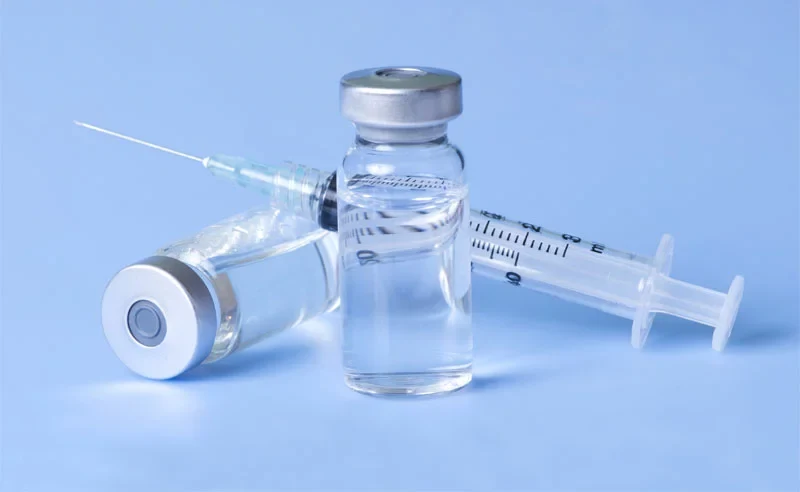
Certain somatropin products are supplied as lyophilized powder that must be mixed with a specified diluent before administration.
The manufacturer determines the appropriate diluent, preparation procedure, handling requirements, and permitted storage period after reconstitution.
Important: Instructions for one somatropin brand, cartridge, or vial strength must not be substituted for those of another product.
Before Using Somatropin Injection
Before administering a prescribed somatropin injection, the patient or caregiver should review the product instructions with the healthcare team.
1. Verify the Product
Confirm the following information against the prescription and manufacturer documentation:
- Product name and manufacturer
- Active ingredient
- Product strength and presentation
- Expiration date
- Package integrity
- Compatible injection device, if applicable
Do not use medication if the product identity is uncertain, the packaging is compromised, or the expiration date has passed.
2. Review the Prescription
The healthcare team should verify that the prescribed product, dose, administration schedule, and delivery device are appropriate for the patient.
Somatropin treatment is individualized. Dosing depends on the medical indication, clinical characteristics, treatment response, and other factors.
Patients should not independently change their prescribed dose or schedule.
3. Confirm Proper Training
Patients or caregivers administering somatropin at home should receive training from a qualified healthcare professional before their first injection.
Training should cover the specific device, product preparation, administration procedure, handling of supplies, and disposal of used injection equipment.
Somatropin Injection Preparation and Handling
Somatropin injection preparation depends on the specific formulation and delivery system.
Some products contain a ready-to-use solution, while others require reconstitution using a manufacturer-specified diluent.
Product Preparation Checklist
- Review the current Instructions for Use supplied with the exact product.
- Confirm the prescribed product and strength.
- Check the expiration date and package condition.
- Confirm that storage requirements have been followed.
- Use only the preparation materials specified for the product.
- Check the solution appearance according to manufacturer instructions.
- Do not use medication if contamination or damage is suspected.
Patients should not improvise reconstitution methods, substitute diluents, or calculate concentrations without appropriate professional instructions.
Inspecting the Solution
Somatropin solutions are generally expected to meet specific appearance requirements described in the product information.
Before administration, check the medication according to its labeling. Do not use a solution that is unexpectedly cloudy, discolored, or contains visible particles.
If the solution does not meet the manufacturer's specifications, contact a pharmacist or healthcare professional.
How Is Somatropin Injection Administered?
Most somatropin products are administered by subcutaneous injection, meaning the medication is delivered into the tissue beneath the skin.
However, the exact injection technique, approved injection sites, device operation, and administration procedures depend on the prescribed product.
Before performing an injection independently, patients and caregivers should receive hands-on training and follow the current manufacturer Instructions for Use.
Injection Site Considerations
Healthcare professionals may recommend rotating suitable injection sites to help reduce localized tissue changes.
The specific permitted sites and rotation instructions should be confirmed in the product documentation.
Repeated injections into the same location may contribute to localized tissue changes, including alterations in subcutaneous fat.
Injection Device Safety
Injection pens, cartridges, needles, and other administration equipment must be used according to their intended design.
Do not share injection devices or reuse disposable needles.
Used sharps should be placed promptly in an appropriate puncture-resistant disposal container.
Somatropin Injection Storage Instructions
Correct storage is an essential consideration for somatropin products because improper handling may affect product quality.
Storage requirements depend on the manufacturer, product presentation, and whether the medication has been prepared or opened.
Unopened Somatropin Products
Many somatropin formulations require refrigerated storage. However, specific temperature limits and permitted periods outside refrigeration vary by product.
Always follow the storage instructions on the original package and in the current product information.
Storage After Reconstitution
Reconstituted somatropin products may have shorter permitted storage periods than unopened products.
Expiration after preparation varies by formulation, container, and diluent.
Never apply the post-reconstitution storage period of one somatropin brand to another.
Storage After Opening
Multidose cartridges and pens may have specific in-use storage periods and handling requirements.
Patients and caregivers should verify:
- Required storage temperature
- Permitted storage duration after opening
- Light protection requirements
- Whether freezing is prohibited
- When remaining medication must be discarded
What If Somatropin Was Stored Incorrectly?
If a product was exposed to temperatures outside its specified storage range, do not assume that it remains suitable for use.
Contact the dispensing pharmacy, manufacturer, or healthcare professional for product-specific advice.
Somatropin Injection: Care-Team Checklist
The following checklist can support discussions between patients, caregivers, pharmacists, nurses, and prescribing clinicians.
Before Starting Treatment
- ☐ Confirm the medical indication and treatment goals.
- ☐ Review relevant medical history and contraindications.
- ☐ Review current medications and supplements.
- ☐ Confirm the selected somatropin product and presentation.
- ☐ Establish an individualized treatment plan.
- ☐ Review baseline laboratory assessments when appropriate.
- ☐ Provide product-specific administration training.
Product and Device Verification
- ☐ Verify product name, strength, and expiration.
- ☐ Confirm packaging integrity.
- ☐ Review the current manufacturer Instructions for Use.
- ☐ Confirm device and cartridge compatibility.
- ☐ Confirm the correct preparation materials.
- ☐ Verify storage requirements.
During Ongoing Treatment
- ☐ Review treatment response with the prescribing clinician.
- ☐ Monitor for fluid retention or joint symptoms.
- ☐ Review blood glucose when clinically indicated.
- ☐ Assess IGF-1 levels when appropriate.
- ☐ Evaluate thyroid and adrenal function when indicated.
- ☐ Review injection-site concerns.
- ☐ Confirm proper device handling and storage.
- ☐ Discuss any changes in health or medications.
Somatropin Treatment Monitoring
Somatropin treatment may require periodic clinical assessment and laboratory monitoring.
The monitoring plan depends on the medical indication, age, underlying conditions, and response to therapy.
IGF-1 Monitoring
Insulin-like growth factor 1 is often used as one component of treatment monitoring in adults receiving growth hormone replacement therapy.
Healthcare professionals interpret IGF-1 results in the context of age-adjusted reference ranges, symptoms, and clinical response.
Blood Glucose and Metabolic Monitoring
Somatropin can affect insulin sensitivity and glucose metabolism.
Patients with diabetes, impaired glucose tolerance, or other metabolic risk factors may require additional assessment.
Thyroid and Adrenal Function
Growth hormone therapy can interact with other endocrine pathways.
Healthcare professionals may assess thyroid or adrenal function when clinically indicated, particularly in patients with pituitary disorders.
Somatropin Injection Side Effects and Precautions
Somatropin may cause adverse effects, and patients should understand which symptoms require medical evaluation.
Potential side effects include:
- Fluid retention or swelling
- Joint pain or stiffness
- Muscle discomfort
- Headache
- Injection-site reactions
- Carpal tunnel symptoms
- Changes in blood glucose regulation
Serious or persistent symptoms require prompt medical assessment.
Severe headache accompanied by vision changes, nausea, or vomiting may indicate a serious complication. Severe allergic symptoms, including difficulty breathing or swelling of the face or throat, require emergency medical care.
Somatropin is contraindicated in certain conditions, including active malignancy and some forms of acute critical illness. Product-specific contraindications and warnings must be reviewed before treatment.
Common Somatropin Injection Mistakes to Avoid
Medication errors can occur when patients use instructions intended for a different product or device.
Common problems include:
- Using the wrong product strength
- Confusing different injection devices
- Using an incorrect diluent
- Applying another product's mixing instructions
- Using medication beyond its permitted in-use period
- Ignoring storage temperature requirements
- Reusing or sharing injection needles
- Changing the prescribed dose without medical guidance
The safest approach is to verify the exact product and follow its current manufacturer instructions and the prescribing clinician's treatment plan.
What Should You Do If You Miss a Somatropin Injection?
Instructions for missed doses may vary depending on the specific somatropin formulation and prescribed schedule.
Contact your healthcare professional for individualized guidance if a dose is missed.
Do not administer a double dose to compensate for a missed injection unless specifically instructed by the prescribing clinician.
Frequently Asked Questions About Somatropin Injection
What is somatropin injection used for?
Somatropin injection is used to treat certain medical conditions, including growth hormone deficiency in children and adults. Additional approved indications depend on the specific product.
How is somatropin administered?
Most somatropin products are administered by subcutaneous injection. The exact procedure depends on the product and delivery device and should be taught by a qualified healthcare professional.
Do all somatropin injections require mixing?
No. Some formulations are available as ready-to-use solutions, while others require reconstitution with a manufacturer-specified diluent.
Can different somatropin brands use the same instructions?
No. Different products may have different devices, preparation procedures, strengths, storage requirements, and administration instructions.
Should somatropin injection be refrigerated?
Many somatropin products require refrigeration, but exact storage requirements vary. Always consult the product-specific labeling.
Can somatropin be used after its expiration date?
No. Expired medication should not be used. Follow appropriate medication disposal procedures.
What happens if somatropin is stored incorrectly?
Improper storage may affect medication quality. Contact the pharmacist or manufacturer for guidance before using a product exposed to unsuitable conditions.
Can somatropin needles be reused?
Disposable injection needles should not be reused or shared. Follow manufacturer instructions and local sharps disposal requirements.
Does somatropin treatment require monitoring?
Yes. Clinicians may monitor treatment response, IGF-1, glucose metabolism, other endocrine functions, and potential adverse effects depending on the patient's medical circumstances.
Where can I find official somatropin injection instructions?
The current Instructions for Use are available through the product manufacturer, dispensing pharmacy, or official product labeling. Use the instructions that match the exact product and device.
Conclusion: Safe Somatropin Injection Use
Somatropin injection is an established medical treatment for selected conditions involving growth hormone deficiency and other approved indications.
Safe treatment depends on correct product identification, appropriate professional training, manufacturer-specific preparation instructions, proper storage, and ongoing medical supervision.
Because somatropin products differ in presentation, devices, and handling requirements, there is no single universal injection procedure suitable for every formulation.
Patients and caregivers should always follow the instructions supplied with the prescribed product and consult their healthcare team whenever questions arise.
References and Official Resources
- MedlinePlus. Somatropin Injection: Drug Information. Read drug information.
- Pfizer Medical. GENOTROPIN Instructions for Use. View manufacturer instructions.
- DailyMed. GENOTROPIN (somatropin) Prescribing Information. View product labeling.
- DailyMed. ZOMACTON (somatropin) Product Information. View product information.
Medical Disclaimer: This article is intended for general educational purposes. It does not replace product-specific Instructions for Use, professional injection training, or individualized medical advice.