 Best Seller
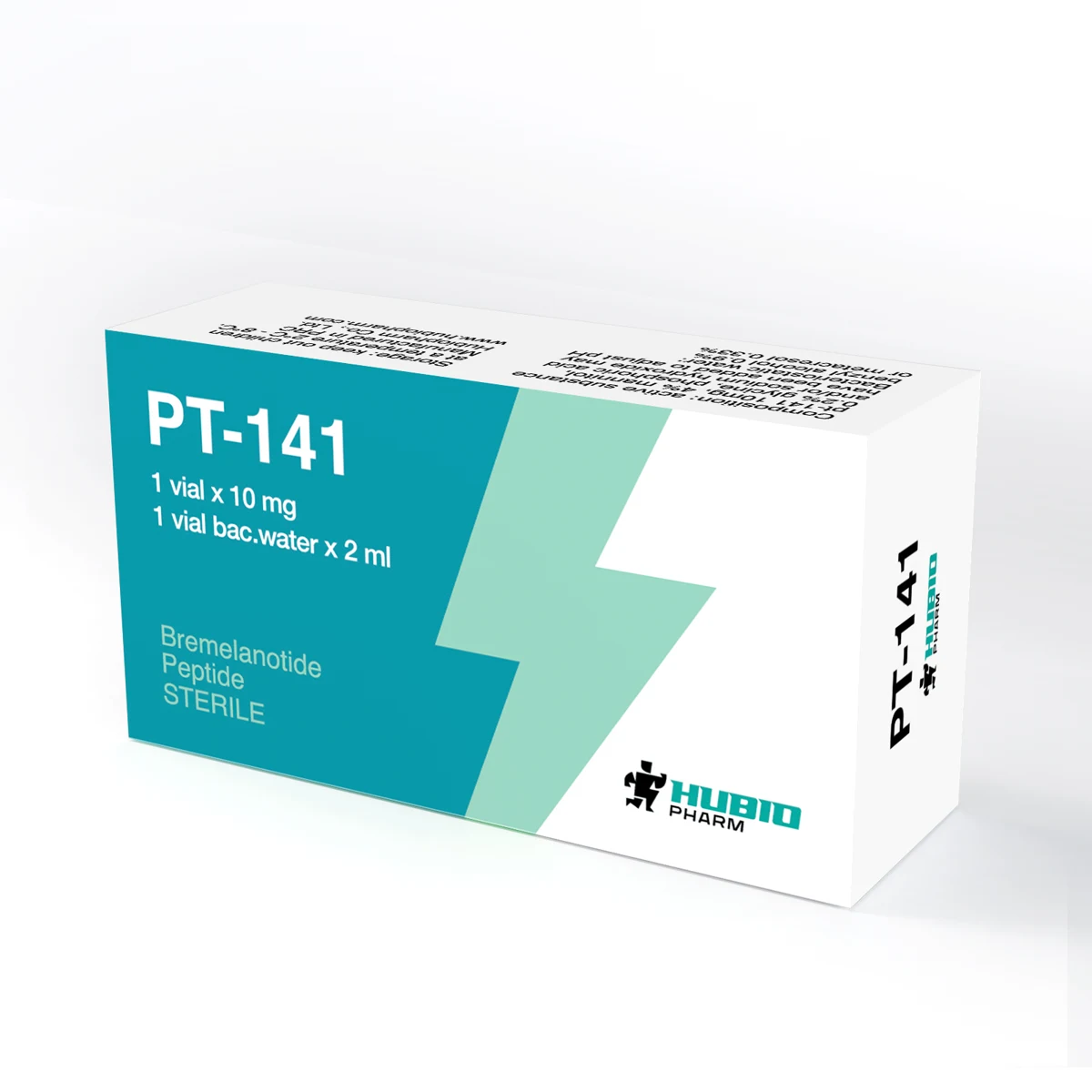
| Product name | PT-141 Peptide 10mg |
|---|---|
| Listed compound | PT-141 / bremelanotide |
| Labeled quantity | 10 mg |
| Named presentation | Lyophilized powder |
| Category | Peptides & Research Compounds |
Peptides catalog
PT-141 Peptide 10mg
$60.00
Limited stock
PT-141 Peptide 10mg, also known as Bremelanotide, is a synthetic cyclic peptide investigated for its interaction with melanocortin receptors and central nervous system pathways associated with sexual response. This 10mg product listing provides information on PT-141's molecular structure, research background and peptide characteristics.
PT-141 Peptide 10mg: Product Overview
PT-141 Peptide 10mg, scientifically known as Bremelanotide, is a synthetic cyclic heptapeptide belonging to the melanocortin receptor agonist class. Originally developed from research involving alpha-melanocyte-stimulating hormone (alpha-MSH), PT-141 has attracted scientific interest for its effects on central nervous system signaling and pathways associated with sexual response.
Unlike compounds that primarily influence peripheral vascular mechanisms, Bremelanotide acts through melanocortin receptor pathways. The PT-141 10mg designation refers to the stated peptide quantity in this catalog listing and should not be interpreted as a recommended dose.
PT-141 10mg Product Specifications
- Product Name: PT-141 Peptide 10mg
- Alternative Name: Bremelanotide
- Peptide Type: Synthetic cyclic heptapeptide
- Peptide Family: Melanocortin-related peptides
- Listed Quantity: 10mg
- CAS Number: 189691-06-3 (Bremelanotide free base)
- Molecular Formula: C50H68N14O10 (free base)
- Molecular Weight: Approximately 1025.2 g/mol (free base)
- Category: Research Peptides
These molecular properties describe Bremelanotide free base. Salt forms, including acetate preparations, can have different compositional specifications. Confirm the exact supplied form using the product label and batch documentation.
What Is PT-141 (Bremelanotide)?
PT-141 is a synthetic peptide developed through melanocortin research. Its molecular structure contains seven amino acid residues arranged in a cyclic configuration. Bremelanotide interacts with melanocortin receptors, which participate in several neurological and physiological signaling processes.
Research involving PT-141 has focused on the relationship between melanocortin receptor activation and central nervous system pathways associated with sexual motivation and response.
Bremelanotide is also the active compound in a prescription pharmaceutical formulation. However, a separately supplied PT-141 peptide product should not be assumed equivalent to that formulation in terms of purity, delivery system, clinical performance or safety.
PT-141 Mechanism of Action
PT-141 acts as a melanocortin receptor agonist. The melanocortin receptor family includes several receptor subtypes involved in biological processes such as pigmentation, metabolism and neurological signaling.
Bremelanotide interacts with central melanocortin pathways, including receptors associated with sexual response. Although its pharmacological class is established, the precise relationship between receptor activation and its clinical effects is not completely understood.
This mechanism distinguishes PT-141 from phosphodiesterase type 5 (PDE5) inhibitors, which act through different molecular pathways.
PT-141 Peptide Research Background
Bremelanotide has been investigated in clinical and pharmacological research involving sexual desire and melanocortin receptor signaling. Studies have examined its pharmacodynamic properties, receptor activity and effects on selected sexual response outcomes.
Research findings depend on the specific formulation, population, study design and measured endpoints. Results involving a clinically evaluated pharmaceutical preparation cannot automatically be applied to a separate peptide catalog product.
Other research discussions address the melanocortin system and its broader involvement in central nervous system function.
PT-141 vs Melanotan Peptides
PT-141 and Melanotan peptides belong to the broader field of melanocortin-related research, but they have different pharmacological profiles and research histories.
- PT-141 (Bremelanotide): Investigated primarily for melanocortin signaling associated with sexual response.
- Melanotan II: A related synthetic melanocortin peptide studied for pigmentation and other biological effects.
- Key distinction: The peptides should not be considered interchangeable because their individual activity profiles and supporting evidence differ.
Product identification and scientific comparisons should be based on the specific peptide rather than the broader peptide family alone.
PT-141 10mg Packaging and Documentation
The PT-141 Peptide 10mg listing identifies a stated quantity of Bremelanotide-related peptide material. Before evaluating a supplied product, review the original packaging photographs, labeling and available batch-specific documentation.
Important characteristics include peptide identity, declared quantity, chemical form, purity documentation when available and formulation-specific storage requirements. A product photograph alone does not establish the identity or analytical quality of an individual batch.
Frequently Asked Questions About PT-141 Peptide 10mg
What is PT-141 Peptide 10mg?
PT-141 Peptide 10mg is a product listing for a stated 10mg quantity of PT-141, also known as Bremelanotide, a synthetic cyclic peptide associated with melanocortin receptor research.
Is PT-141 the same as Bremelanotide?
Yes. PT-141 is the developmental research designation for Bremelanotide. Specific commercial preparations may differ in chemical form, excipients and formulation.
How does PT-141 work?
PT-141 acts as a melanocortin receptor agonist and influences central nervous system signaling. The complete mechanism underlying its clinical effects has not been fully established.
What is the difference between PT-141 and Melanotan II?
Both are melanocortin-related synthetic peptides, but they have different research applications and pharmacological characteristics. They should not be considered interchangeable.
What does 10mg mean in PT-141 10mg?
The 10mg designation identifies the stated peptide quantity in the product listing. It does not represent an established administration dose or treatment recommendation.
Is PT-141 10mg the same as a prescription Bremelanotide product?
No. A catalog peptide listing is not automatically equivalent to a clinically evaluated prescription formulation. Manufacturing standards, ingredients, presentation and quality controls may differ.
What information should be checked for PT-141 peptide products?
Review the product label, chemical form, declared quantity, available batch documentation and any applicable storage or handling specifications.
Related products
Best Seller 
Related guides & information

HGH vs Peptides: Definitions and Compound Families
“HGH versus peptides” is an imprecise comparison because HGH is itself a peptide hormone. In catalogs, “peptides” usually groups many different compounds rather than naming a single alternative to growth hormone.
▤ 2 min read · Read guide →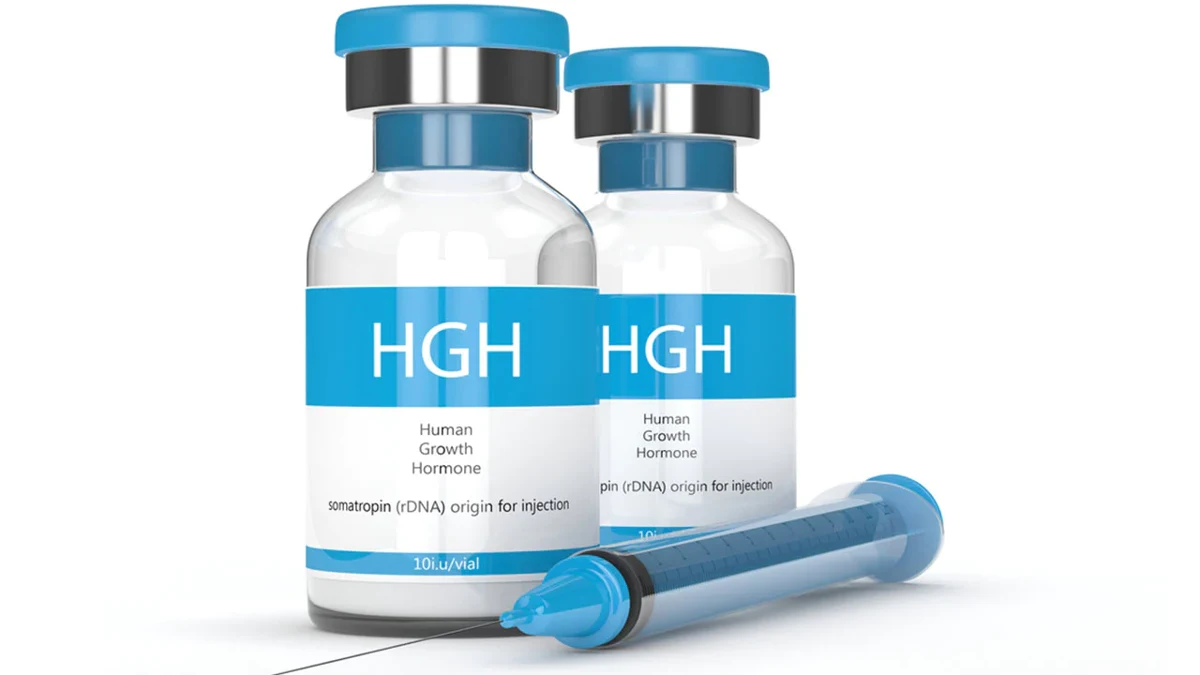
HGH and Peptide Products: A Catalog Comparison Guide
This guide compares how HGH and peptide products are described in the catalog. It focuses on labels, quantities and presentations rather than repeating a general definition of peptide chemistry.
▤ 2 min read · Read guide →