
- Introduction
- What Is Semaglutide Peptide?
- History and Medical Origins
- Key Benefits of Semaglutide Peptide
- How Semaglutide Works in the Body
- Common Uses (Based on Reviews)
- How to Use Semaglutide Peptide
- What to Expect: Timeline of Effects
- Safety, Side Effects & Considerations
- Who Should Avoid or Be Cautious
- Semaglutide Peptide Reviews: What Users Report
- FAQ – Semaglutide Peptide Reviews
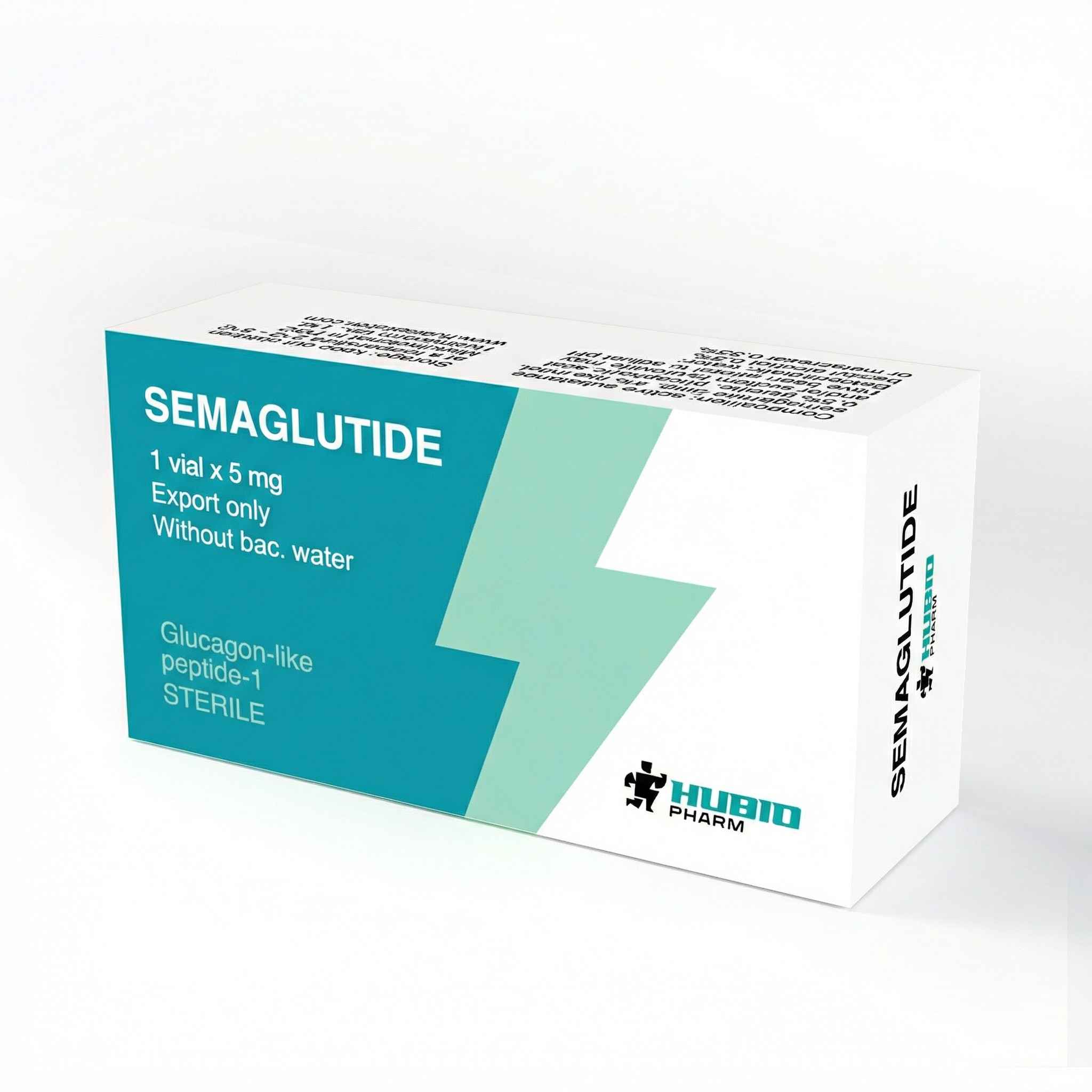
Support Weight Loss & Metabolic Health with Semaglutide 5mg
Experience effective appetite suppression and metabolic support with authentic Semaglutide 5mg Peptide. Trusted quality for safe and efficient results.
Buy Semaglutide 5mgVerified, authentic peptides for safe and effective use.
Introduction
In recent years, Semaglutide peptide has become one of the most talked‑about compounds in metabolic health, weight management, and metabolic optimization circles. Initially developed as a GLP‑1 receptor agonist for type 2 diabetes, semaglutide’s ability to suppress appetite, improve blood sugar control, and support sustainable weight loss has generated widespread interest far beyond clinical medicine.
This comprehensive guide dives deep into Semaglutide peptide reviews, real‑world experience, biological mechanisms, evidence‑based benefits, safety considerations, dosing guidance, and answers the most frequently asked questions — all in a single resource you can rely on.
Whether you’re a healthcare professional, a person exploring weight management options, or just curious about peptides, this page has everything you need.
What Is Semaglutide Peptide?
Semaglutide is a synthetic peptide analogue of glucagon‑like peptide‑1 (GLP‑1) — a hormone naturally produced in the gut that helps regulate:
- Blood sugar levels
- Appetite
- Gastric emptying
- Energy balance
Semaglutide binds to GLP‑1 receptors, leading to:
- Increased insulin secretion (when glucose is elevated)
- Suppression of glucagon
- Slower gastric emptying
- Reduced appetite and calorie intake
This combination makes semaglutide an effective tool for blood glucose regulation and weight management.
History and Medical Origins
Semaglutide was first developed for people with type 2 diabetes as part of the GLP‑1 mimetic class of drugs. Over time, clinical trials demonstrated significant weight loss and metabolic improvements, even in individuals without diabetes, leading to wider adoption in weight management programs under medical supervision.
Despite being a prescription medication in many countries, semaglutide’s effectiveness has sparked interest in peptide research and off‑label application (always under professional guidance).
Key Benefits of Semaglutide Peptide
1. Supports Weight Management
One of the most consistently reported benefits across Semaglutide peptide reviews is its ability to reduce appetite and help people eat less without feeling constantly hungry. This effect is key to sustainable weight loss and body composition improvement.
Clinical observations include:
- Reduced overall calorie intake
- Decreased cravings and food urges
- Long‑term weight maintenance support
2. Improves Blood Sugar Control
Semaglutide enhances glucose‑dependent insulin secretion and suppresses glucagon, leading to better glycemic stability in people with type 2 diabetes. Many clinical trials document significant improvements in:
- Fasting glucose
- Post‑meal glucose spikes
- A1c levels
3. Enhances Satiety and Appetite Regulation
Users often report significant reductions in hunger and improved feelings of fullness, which directly supports adherence to calorie‑controlled nutrition plans.
4. May Improve Metabolic Health Markers
Beyond weight loss and glucose control, Semaglutide has been linked to improvements in:
- Blood lipids
- Insulin sensitivity
- Systemic inflammation
- Cardiovascular risk profiles (in some studies)
5. Potential Cardiovascular Benefits
Large clinical programs have observed reductions in some cardiovascular risk factors in patients treated with semaglutide, especially among those with diabetes.
How Semaglutide Works in the Body
Semaglutide activates the GLP‑1 receptor found throughout:
- Pancreas
- Brain
- Digestive tract
- Nervous system
By engaging this receptor, it:
- Enhances insulin release when blood glucose is high
- Inhibits glucagon secretion to prevent excess glucose
- Slows gastric emptying — which helps keep you fuller longer
- Affects appetite centers in the brain to reduce hunger
This multilevel mechanism separates semaglutide from many other weight loss agents and contributes to its unique effectiveness.
Common Uses (Based on Reviews)
| Use Case | Reported Outcome |
|---|---|
| Weight loss support | Appetite control, sustained weight reduction |
| Type 2 diabetes | Better blood glucose and A1c control |
| Metabolic improvement | Enhanced insulin sensitivity |
| Appetite management | Reduced cravings and caloric intake |
| Lifestyle support | Better compliance with diet plans |
Most positive reviews emphasize sustainable results when semaglutide is paired with nutritional adjustments and physical activity.
How to Use Semaglutide Peptide
Administration Method
Semaglutide is typically administered by subcutaneous injection, once weekly, in areas such as:
- Abdomen
- Upper thigh
- Upper arm
Most semaglutide products come in a pre‑filled pen or vial for easy dosing.
Typical Dosage Progression
| Phase | Dosage | Notes |
|---|---|---|
| Initiation period | 0.25 mg/week | Weeks 1–4 — used to assess tolerance |
| Mid‑course adjustment | 0.5 mg/week | Weeks 5–8 — common target dose |
| Advanced stabilization | 1.0 mg/week | Weeks 9+ — for sustained results |
Exact dosing should always be determined by a healthcare provider, especially for people with underlying medical conditions.
What to Expect: Timeline of Effects
Weeks 1–2
- Appetite begins to decrease
- Reduced cravings
Weeks 3–6
- Weight loss becomes noticeable
- Improved energy regulation
Weeks 6–12+
- Enhanced metabolic markers
- Better dietary adherence
- Long‑term weight stabilization
Safety, Side Effects & Considerations
Semaglutide is generally considered safe under medical supervision, but like all effective compounds, it can produce mild side effects:
Common Side Effects
- Nausea (often mild and transient)
- Mild indigestion or gas
- Occasional headache
Less Common Effects
- Mild abdominal discomfort
- Fatigue
These side effects are usually transient and often diminish within the first few weeks of treatment.
Who Should Avoid or Be Cautious
- People with a history of medullary thyroid carcinoma
- Individuals with pancreatitis
- Those with severe gastrointestinal disorders
- Anyone under prescription medication without physician approval
Always consult a healthcare provider before starting semaglutide or any peptide therapy.
Semaglutide Peptide Reviews: What Users Report
Positive Feedback Trends
- Significant, sustainable weight reduction
- Lower hunger levels throughout the day
- Easier adherence to calorie goals
- Better glucose and metabolic profiles
Constructive/Neutral Reviews
- Mild digestive adjustments in beginning stages
- Results may vary with lifestyle context
- Some users adjust dosage before stabilizing
In general, long‑term adherence to lifestyle changes remains a strong predictor of review satisfaction.
Explore more HGH cycles, benefits and safety guides:
👉 Open full HGH Resource Hub
FAQ – Semaglutide Peptide Reviews
1. What is Semaglutide peptide?
Semaglutide peptide is a synthetic GLP‑1 receptor agonist used to help regulate blood sugar, suppress appetite, and support weight management.
2. Does Semaglutide help with weight loss?
Yes. Semaglutide reduces appetite and calorie intake, promoting sustainable weight loss when combined with diet and exercise.
3. How is Semaglutide administered?
It is given as a subcutaneous injection once weekly, typically in the abdomen, thigh, or upper arm.
4. What are the common side effects of Semaglutide?
Mild nausea, indigestion, gas, or headache are the most common, usually diminishing after the first few weeks.
5. How long does it take to see results?
Appetite reduction may appear within 1–2 weeks, and noticeable weight loss often occurs after 4–8 weeks.
6. Is Semaglutide safe?
Yes, when prescribed and monitored by a healthcare professional. People with certain medical conditions (e.g., pancreatitis, thyroid carcinoma) should exercise caution.
7. Can Semaglutide improve blood sugar control?
Yes. It enhances insulin secretion and suppresses glucagon, helping maintain stable glucose levels.
8. Can Semaglutide be used without diabetes?
Yes. It is sometimes used off‑label under medical supervision for weight management in non-diabetic individuals.
9. Does Semaglutide affect appetite?
Yes. It increases feelings of fullness and reduces hunger, helping control calorie intake naturally.
10. Can women use Semaglutide?
Yes, adult women can safely use Semaglutide under professional supervision for weight management or metabolic support.
11. How should Semaglutide be stored?
Store in the refrigerator at 2–8°C, protect from light, and follow manufacturer instructions for use.
12. Can Semaglutide be stacked with other peptides?
Yes, it may be combined with other metabolic or recovery peptides under medical supervision.
13. Is Semaglutide a hormone therapy?
Semaglutide mimics the naturally occurring GLP‑1 peptide hormone but is not classified as hormone replacement therapy.
14. Does it affect digestion?
It slows gastric emptying, which can reduce appetite and may cause mild digestive adjustments in early weeks.
15. Can it improve metabolic health markers?
Yes. Clinical studies show improvements in blood sugar, lipid profiles, and other markers of metabolic health.
16. Can it help with cravings?
Yes. By enhancing satiety, Semaglutide can reduce cravings and make it easier to adhere to a healthy diet.
17. Are injection site reactions common?
Minor redness or irritation can occur at the injection site but usually resolves quickly.
18. How long should treatment last?
Treatment duration varies. Many users follow a cycle of several months under healthcare guidance.
19. Can Semaglutide improve energy levels?
Yes. Many users report increased energy due to improved blood sugar control and weight management.
20. Is Semaglutide prescription-only?
Yes, it requires a prescription and medical supervision. Self-use without guidance is not recommended.
21. Can Semaglutide support cardiovascular health?
Indirectly, yes. By improving weight, glucose levels, and lipid profiles, it may reduce some cardiovascular risks.
22. Can it be used long-term?
Long-term use should be supervised by a healthcare provider, with regular monitoring for side effects and effectiveness.
23. How is dosing adjusted?
Doses typically start low (0.25 mg/week) and gradually increase to 0.5–1 mg/week, based on tolerance and medical advice.
24. Can Semaglutide be used in combination with lifestyle changes?
Yes. Combining Semaglutide with diet and exercise greatly enhances results.
25. Are there any serious risks?
Serious adverse events are rare, but medical supervision is important, particularly for individuals with existing gastrointestinal or endocrine conditions.